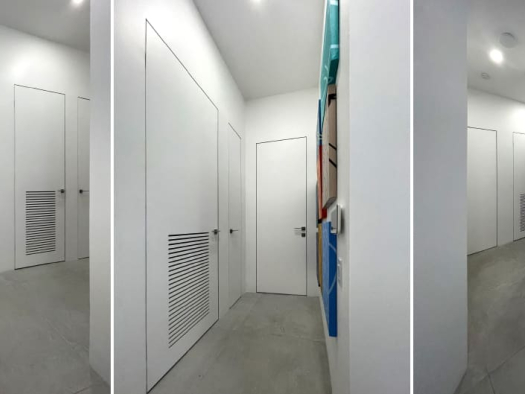

- Why Glass Matters in Modern Interior Door Styles
- Understanding Different Types of Glass for Interior Doors
- Clear Glass Interior Doors and Visual Openness
- Frosted Glass Interior Doors for Privacy and Balance
- Tinted Glass Interior Doors and Modern Design Expression
- How Glass Choice Affects Light and Space
- Matching Glass Types with Interior Door Styles
- Interior Door Glass Choices for Different Rooms
- Long Term Value of Choosing the Right Glass Type
- Interior Door Glass Options at Indigo Doors
Why Glass Matters in Modern Interior Door Styles
Glass has become a defining element in modern interior door styles, especially in American homes where light, openness, and visual balance are key design priorities. In 2026, interior doors with glass are no longer seen as purely decorative — they play a strategic role in shaping space, privacy, and atmosphere.
Homeowners increasingly choose glass interior doors to enhance natural light flow while maintaining functional separation between rooms. The type of glass selected directly affects how a space feels, how private it is, and how it connects visually with adjacent areas.
Rather than asking whether to use glass at all, modern buyers focus on which type of glass best supports their interior design goals. Clear, frosted, and tinted glass each create a distinct visual and emotional effect.
The right glass choice can transform an interior door from a divider into a design feature.
Understanding Different Types of Glass for Interior Doors
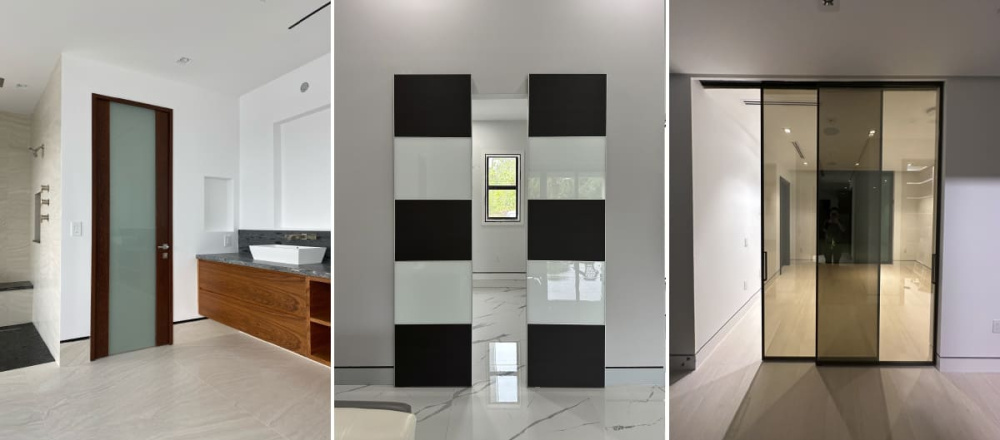
Not all glass used in interior doors serves the same purpose. Each type offers a unique balance between transparency, privacy, and visual expression. Clear, frosted, and tinted glass are the most common options used in American residential interiors.
Clear glass emphasizes openness and connectivity. Frosted glass prioritizes privacy while still allowing light to pass through. Tinted glass adds depth, mood, and architectural contrast.
Choosing between these options depends on how a room is used, how much light is available, and the desired level of visual separation. Interior door styles in 2026 are increasingly customized through thoughtful glass selection rather than one-size-fits-all solutions.
Clear Glass Interior Doors and Visual Openness
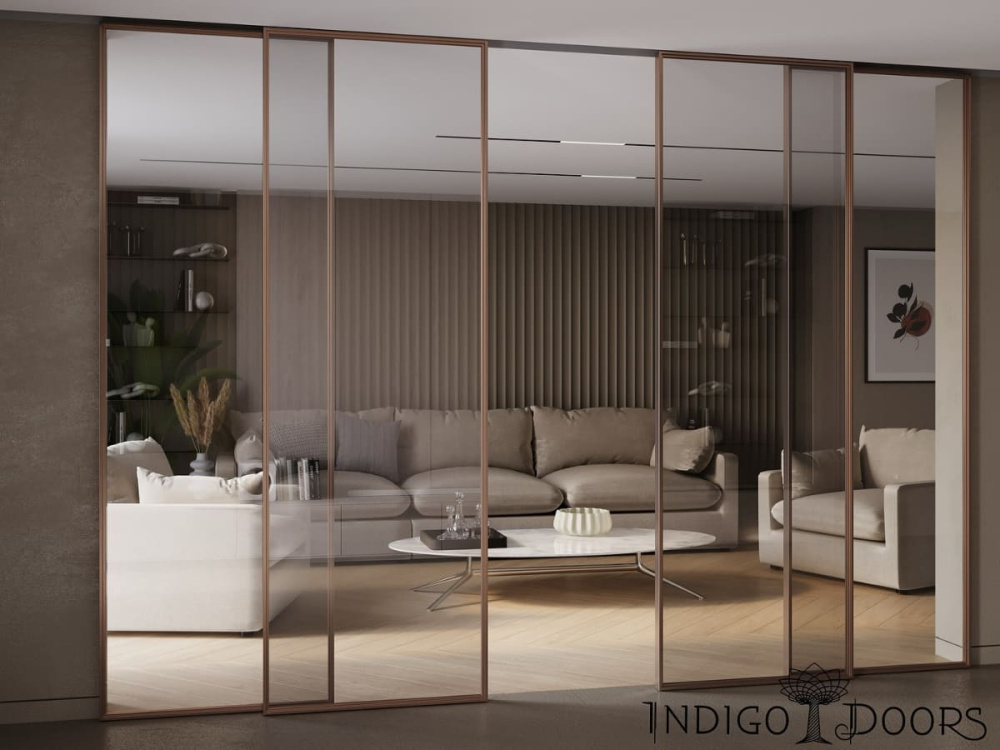
Clear glass interior doors are designed to maximize transparency and light flow. They are often used in spaces where maintaining visual connection is essential, such as between living areas, dining rooms, or home offices.
In modern American homes, clear glass doors help preserve the feeling of openness while still defining boundaries. They allow natural light to travel freely, reducing the need for artificial lighting and enhancing spatial continuity.
Clear glass interior doors are particularly effective in smaller homes or apartments, where visual openness makes spaces feel larger. They also support minimalist and contemporary interior door styles by keeping surfaces light and unobtrusive.
Key advantages of clear glass interior doors include:
- Maximum light transmission
- Strong visual connection between spaces
- Compatibility with modern and minimalist interiors
- Enhanced sense of openness
However, clear glass offers minimal privacy, making it better suited for shared or semi-private areas rather than bedrooms or bathrooms.
Frosted Glass Interior Doors for Privacy and Balance
Frosted glass interior doors strike a balance between privacy and light. By diffusing visibility while still allowing brightness to pass through, frosted glass supports functional separation without creating visual heaviness.
In American homes, frosted glass is often used for bedrooms, bathrooms, laundry rooms, and home offices. It allows these spaces to remain private while maintaining a cohesive interior design.
Frosted glass interior doors also soften light, creating a calm and comfortable atmosphere. This makes them particularly appealing in homes where subtle transitions between rooms are preferred over stark contrasts.
Homeowners choose frosted glass when they want:
- Increased privacy without blocking light
- Softer visual transitions between spaces
- A modern yet understated design solution
- Versatility across different room types
In 2026, frosted glass remains one of the most practical and widely used glass options for interior doors.
Tinted Glass Interior Doors and Modern Design Expression
Tinted glass interior doors are chosen primarily for their visual impact. By adding color or shade, tinted glass introduces mood, contrast, and architectural interest into interior spaces.
In contemporary American interiors, tinted glass is often used selectively to create focal points or emphasize certain zones within a home. Shades of gray, bronze, or subtle smoke tones are especially popular in modern and luxury interiors.
Tinted glass interior doors are well suited for spaces where atmosphere matters as much as function. They reduce direct visibility while maintaining a sense of depth and sophistication.
“Tinted glass adds character to interior doors without overwhelming the space.”
This type of glass is commonly used in living rooms, offices, or design-forward interiors where doors are intended to stand out as architectural elements.
How Glass Choice Affects Light and Space
Different types of glass influence how light behaves within a home. Clear glass allows light to pass unobstructed, making spaces feel brighter and more open. Frosted glass diffuses light, creating a softer and more controlled environment. Tinted glass filters light, adding warmth or depth depending on the shade.
Understanding this interaction is essential when selecting interior door styles. In homes with abundant natural light, tinted or frosted glass can help manage brightness. In darker spaces, clear glass may be the best option to enhance illumination.
Light management is one of the most underestimated aspects of interior door design.
By choosing the right glass type, homeowners can shape not only aesthetics but also daily comfort.
Matching Glass Types with Interior Door Styles
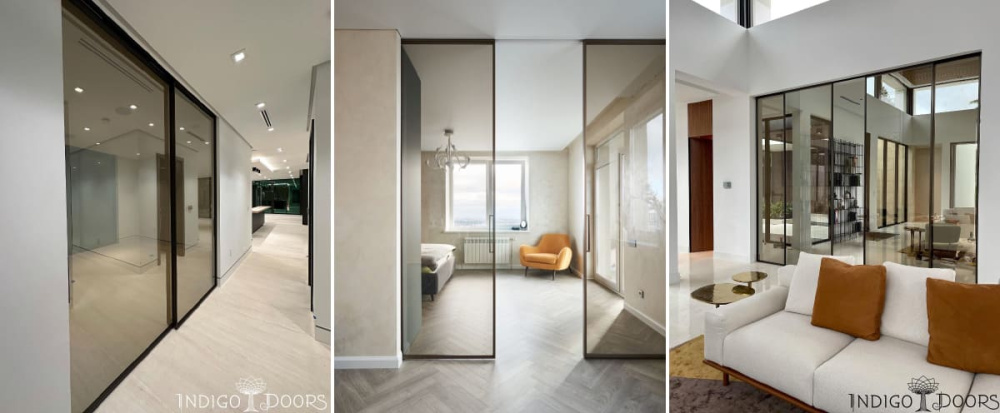
The type of glass selected should complement the overall interior door style. Clear glass pairs naturally with modern and frameless doors, reinforcing clean lines and openness. Frosted glass works well with both modern and classic designs, offering versatility and balance. Tinted glass often aligns with contemporary, luxury, or architectural door styles.
When glass and door design are aligned, the result is a cohesive interior where doors feel intentional rather than decorative. This alignment is a key trend in American homes in 2026.
Design consistency is achieved when:
- Glass type supports the door’s visual language
- Transparency levels match room function
- Finishes align with surrounding materials
- Doors enhance rather than interrupt the interior flow
Interior Door Glass Choices for Different Rooms
Different rooms benefit from different glass solutions. Living areas often use clear or lightly tinted glass to maintain openness. Bedrooms and bathrooms typically require frosted glass for privacy. Home offices may use tinted or frosted glass to balance focus and light.
Choosing glass by room function ensures that interior doors support daily routines while maintaining design coherence. This approach reflects a more thoughtful and practical understanding of interior door styles.
Long Term Value of Choosing the Right Glass Type
Selecting the right type of glass for interior doors is also a long-term decision. Trends may evolve, but functional needs remain consistent. Clear and frosted glass options tend to age well due to their versatility and timeless appeal. Tinted glass, when chosen in subtle tones, can also retain relevance over time.
In 2026, American homeowners increasingly prioritize interior door solutions that will remain visually appropriate as interiors change. Glass choice plays a crucial role in this longevity.
Interior Door Glass Options at Indigo Doors
Interior door styles at Indigo Doors are designed with flexibility in mind, allowing homeowners to choose glass solutions that align with their interior vision. Whether the goal is openness, privacy, or architectural expression, glass selection enhances the overall design impact of each door.
Based in Florida and serving customers across the United States, Indigo Doors focuses on modern, classic, royal, and frameless interior door collections that integrate seamlessly with different glass types. Each option supports contemporary American living while offering long-term design relevance.
When selecting between clear, frosted, or tinted glass, the right choice ultimately depends on how a space is used and how it should feel. Thoughtfully chosen glass transforms interior doors into purposeful design elements that elevate the entire home.