
- Beige Interior Doors in Modern Homes A Balanced Design Approach
- Why beige interior doors are gaining popularity
- How beige doors influence interior atmosphere
- Beige vs white interior doors which is better for modern design
- Where beige interior doors work best
- Combining beige doors with modern materials and finishes
- Are beige doors suitable for open concept homes
- Potential drawbacks of beige interior doors
- How to choose the right beige tone for your doors
- Conclusion beige interior doors in modern design
Beige Interior Doors in Modern Homes A Balanced Design Approach
Beige interior doors have quietly become one of the most versatile choices in modern American interiors. While white and black doors often dominate the conversation, beige offers a middle ground that combines warmth, neutrality, and sophistication. It does not try to stand out aggressively, yet it adds more character than plain white.
In contemporary design, the focus has shifted toward creating comfortable, livable spaces rather than purely minimalistic ones. Beige tones align perfectly with this direction. They soften interiors, reduce harsh contrasts, and create a more welcoming atmosphere, especially in residential settings.
Another important factor is adaptability. Beige interior doors can work across multiple design styles—from modern and transitional to coastal and classic interiors. This flexibility makes them an increasingly popular option for homeowners looking for long-term design solutions rather than trend-driven choices.
Beige is not just a neutral color it is a strategic design decision that brings warmth without overwhelming the space
Why beige interior doors are gaining popularity
Interior design trends in the USA are moving away from extreme contrasts and toward more natural, earthy palettes. Beige fits perfectly into this shift because it reflects organic tones found in wood, sand, and stone.
Unlike stark white, beige feels softer and more natural. Unlike black, it does not create heavy visual weight. This balance makes it ideal for homes where comfort and visual harmony are priorities.
Additionally, beige works exceptionally well with modern materials such as light wood flooring, textured walls, and matte finishes. It helps unify these elements into a cohesive design without creating visual tension.
Key reasons for growing popularity:
-
warmer and more inviting than white
-
more flexible than bold colors
-
compatible with modern natural palettes
How beige doors influence interior atmosphere
Color plays a crucial role in how a space feels, and beige interior doors significantly influence the overall atmosphere. They create a sense of calm and stability, which is especially valuable in busy modern lifestyles.
In open-concept homes, beige doors help maintain visual continuity. They do not interrupt the flow between spaces, making the interior feel more cohesive and thoughtfully designed.
Another advantage is their ability to soften transitions between different materials. Whether the room includes wood, stone, or painted surfaces, beige acts as a neutral bridge that connects everything smoothly.
This subtle influence is what makes beige doors powerful—they improve the space without demanding attention.
Beige vs white interior doors which is better for modern design
The comparison between beige and white interior doors often comes down to tone and feeling rather than functionality. Both options are neutral, but they create very different visual effects.
White doors maximize brightness and create a crisp, clean look. Beige doors, on the other hand, add warmth and depth without sacrificing neutrality. This makes them better suited for interiors that aim for comfort rather than stark minimalism.
Another key difference is maintenance. Beige doors tend to hide minor imperfections, dust, and wear better than pure white surfaces, making them more practical for everyday use.
Key differences include:
-
white creates contrast while beige creates harmony
-
beige feels warmer and more natural
-
beige is more forgiving in terms of maintenance
Where beige interior doors work best
Beige interior doors are highly versatile, but they perform especially well in certain types of interiors. Their natural tone makes them ideal for spaces that emphasize comfort and balance.
They are particularly effective in:
-
modern homes with neutral color palettes
-
coastal interiors inspired by Florida design
-
transitional spaces combining classic and contemporary elements
In these environments, beige doors enhance the overall aesthetic without overpowering other design features.
They are also a strong choice for large homes where consistency is important. Using beige throughout multiple rooms helps maintain a unified look.
Combining beige doors with modern materials and finishes
One of the biggest advantages of beige interior doors is their compatibility with a wide range of materials. They work well with both warm and cool tones, making them highly adaptable.
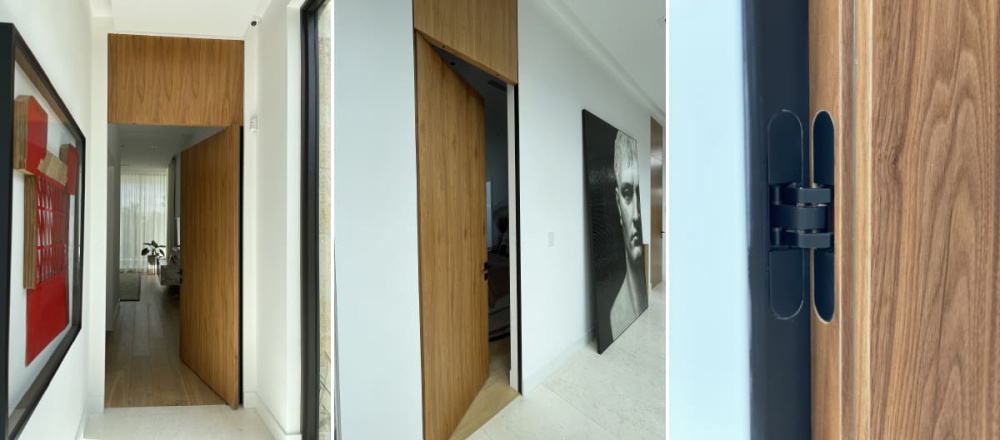
For example, beige doors pair beautifully with light oak flooring, matte black hardware, and soft gray or cream walls. This combination creates a modern yet inviting interior that feels balanced and intentional.
They also complement textured surfaces such as stone or decorative plaster. Instead of competing with these elements, beige doors support them and enhance the overall design.
The strength of beige lies in its ability to connect different elements into one cohesive visual story
Are beige doors suitable for open concept homes
Beige interior doors are an excellent choice for open-concept homes. Their neutral tone allows them to blend seamlessly into the environment while still adding subtle depth.
In large open spaces, strong contrasts can sometimes break the visual flow. Beige avoids this problem by maintaining a soft and continuous look across different zones.
This makes them particularly useful in homes where the kitchen, living room, and dining area are connected. Beige doors help unify these spaces without creating visual interruptions.
Additionally, they work well with natural light. Instead of reflecting it harshly like white or absorbing it like black, beige creates a balanced and comfortable lighting effect.
Potential drawbacks of beige interior doors
While beige interior doors offer many advantages, they are not the perfect solution for every space. In some cases, they may lack the strong visual impact that certain interiors require.
For example, in ultra-modern or high-contrast designs, beige may appear too subtle or even slightly outdated if not used correctly. It requires careful coordination with other elements to achieve the desired effect.
Another consideration is tone selection. Beige comes in many variations—from warm sandy hues to cooler gray-beige shades. Choosing the wrong tone can create a mismatch with walls or flooring.
Common challenges include:
-
choosing the wrong shade of beige
-
lack of contrast in very neutral interiors
-
reduced visual impact in bold design concepts
How to choose the right beige tone for your doors
Selecting the right beige tone is critical to achieving a successful design. Small differences in shade can significantly affect how the door looks in the space.
Warm beige tones work best with wood finishes and earthy palettes. Cooler beige tones, often with gray undertones, are better suited for modern minimalist interiors.
Lighting also plays a major role. Natural daylight can make beige appear lighter, while artificial lighting can add warmth or change its undertone.
To make the right choice, consider:
-
wall color and undertones
-
flooring material and color
-
lighting conditions throughout the day
Testing samples in real conditions is always recommended before making a final decision.
Conclusion beige interior doors in modern design
Beige interior doors are a strong and often underestimated choice for modern design. They offer a perfect balance between warmth, neutrality, and versatility, making them suitable for a wide range of interiors.
While they may not have the bold impact of black doors or the brightness of white ones, their strength lies in subtlety. They create harmony, improve cohesion, and make spaces feel more comfortable and inviting.
When chosen correctly, beige doors can elevate a home’s interior and provide a timeless solution that remains relevant for years to come.