
- Why White Interior Doors Never Go Out of Style
- How White Doors Enhance Natural Light
- Popular Styles of White Interior Doors
- Choosing Between Solid Core and Hollow Core White Doors
- Matte Versus Gloss White Finishes
- White Doors and Minimalist Interior Design
- Pairing White Doors with Different Wall Colors
- White Interior Doors with Glass Panels
- How White Doors Influence Home Value
- Common Mistakes to Avoid When Choosing White Doors
- Why White Interior Doors Remain a Smart Choice for Modern Homes
White interior doors have remained one of the most popular design choices for decades, and their appeal shows no signs of fading. While trends in flooring, wall colors, and furniture styles continue to evolve, white doors consistently adapt to changing tastes and architectural movements. Their versatility, timeless appearance, and ability to complement virtually any interior design style make them a favorite among homeowners, interior designers, builders, and architects alike.
In modern interiors, white doors do far more than separate rooms. They contribute to the overall aesthetic, influence how light moves throughout a home, and help establish a sense of balance and cohesion. Whether incorporated into a contemporary urban residence, a minimalist home, a coastal retreat, or a transitional family house, white interior doors offer a clean and sophisticated foundation that supports countless design possibilities.
Understanding the different styles, materials, finishes, and installation options available can help homeowners make informed decisions that enhance both functionality and visual appeal.
Why White Interior Doors Never Go Out of Style
Some design trends enjoy brief periods of popularity before disappearing, but white interior doors have proven their longevity across generations. Their enduring appeal stems from their ability to adapt to changing architectural preferences without feeling outdated.
White creates a sense of freshness and cleanliness that works exceptionally well in residential interiors. Unlike bold colors that may eventually fall out of favor, white maintains a neutral presence that remains attractive regardless of evolving décor trends.
Another reason for their lasting popularity is flexibility. White doors can blend seamlessly into minimalist spaces or provide subtle contrast within more traditional interiors. They serve as a neutral backdrop that allows other design features to shine.
This versatility makes white doors one of the safest long-term investments homeowners can make when designing or renovating their interiors.
How White Doors Enhance Natural Light
Natural light is one of the most sought-after features in modern homes. Bright spaces often feel larger, more welcoming, and more comfortable than darker environments.
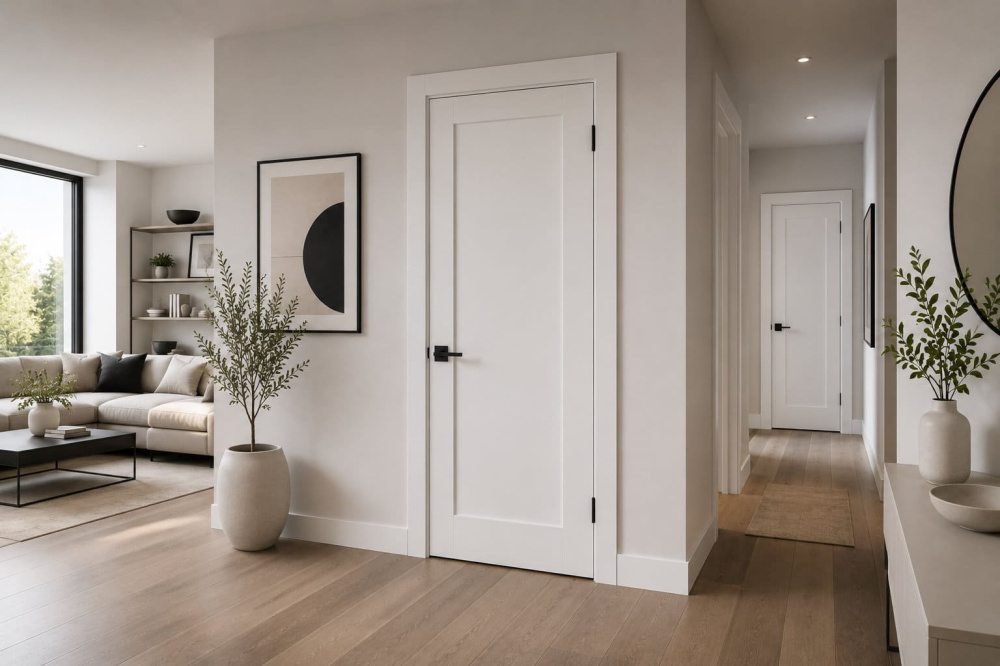
White surfaces naturally reflect light rather than absorbing it. As a result, white interior doors help distribute daylight throughout a home and contribute to a brighter overall atmosphere.
This effect becomes particularly valuable in:
-
Hallways
-
Home offices
-
Bedrooms
-
Living rooms
-
Entryways
-
Interior spaces with limited windows
By reflecting both natural and artificial light, white doors can help reduce the perception of shadows and enclosed spaces.
Many homeowners are surprised by how much brighter their interiors feel after replacing darker doors with white alternatives.
Popular Styles of White Interior Doors
Modern homeowners have access to a wide range of white door styles, allowing them to achieve different aesthetic goals while maintaining a cohesive color palette.
Flush doors are among the most popular options for contemporary homes. Their smooth surfaces and clean lines align perfectly with minimalist design principles. They create a sleek and uncluttered appearance that complements modern architecture.
Shaker-style doors remain another leading choice. Their simple panel configuration adds subtle character without overwhelming the space. This balance makes them suitable for both modern and transitional interiors.
Other popular options include:
-
Flush doors
-
Shaker doors
-
Glass panel doors
-
Frameless doors
-
Barn-style doors
-
Pivot doors
Each style offers distinct advantages depending on the home's architectural character and functional needs.
The beauty of white interior doors lies in their ability to complement almost any design style without competing for attention.
Choosing Between Solid Core and Hollow Core White Doors
When selecting interior doors, appearance is important, but construction quality matters just as much. One of the most significant decisions involves choosing between hollow-core and solid-core doors.
Hollow-core doors are lightweight and budget-friendly, making them a common choice in residential construction. However, they typically provide less sound insulation and may feel less substantial during everyday use.
Solid-core doors contain dense materials that improve durability, acoustic performance, and overall quality. They are particularly beneficial for bedrooms, home offices, media rooms, and other spaces where privacy is important.
Although solid-core doors generally cost more upfront, many homeowners view them as a worthwhile investment due to their enhanced performance and premium feel.
The right choice depends on budget, priorities, and the intended use of each room.
Matte Versus Gloss White Finishes
The finish applied to a white door can dramatically influence its appearance and maintenance requirements. Understanding the differences between matte and gloss finishes helps homeowners select the most appropriate option.
Matte finishes have become increasingly popular in contemporary interiors because they create a softer and more sophisticated appearance. They minimize reflections and often complement minimalist design schemes.
Gloss finishes reflect more light and create a brighter visual effect. They can be particularly effective in traditional or transitional interiors where a polished appearance is desired.
The following comparison highlights key differences:
| Finish Type | Appearance | Maintenance | Best For |
|---|---|---|---|
| Matte White | Soft and modern | Hides imperfections better | Contemporary and minimalist homes |
| Satin White | Balanced sheen | Easy to clean | Most residential interiors |
| Semi-Gloss White | Bright and durable | Excellent stain resistance | High-traffic areas |
| High-Gloss White | Reflective and bold | Requires frequent cleaning | Luxury modern interiors |
Selecting the right finish ensures that the doors align with both aesthetic preferences and practical requirements.
White Doors and Minimalist Interior Design
Minimalism continues to influence residential architecture throughout the United States. White interior doors naturally complement this design philosophy because they promote visual simplicity and cohesion.
Minimalist interiors often rely on neutral palettes, uncluttered spaces, and clean architectural lines. White doors reinforce these principles by blending effortlessly into surrounding walls and reducing visual distractions.
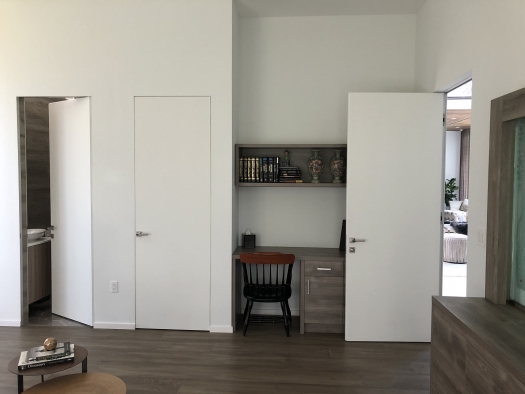
Many designers choose full-height white doors that extend closer to the ceiling. This approach creates dramatic vertical lines while maintaining a streamlined appearance.
The result is a calm and sophisticated environment that feels spacious, organized, and timeless.
Hidden Frames and Concealed Hardware
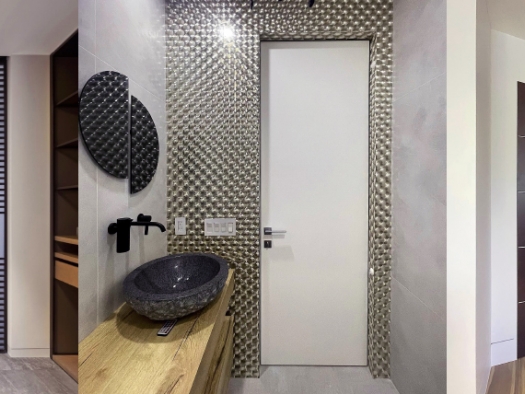
Modern minimalist projects frequently incorporate hidden frames and concealed hinges. These details help white doors appear almost invisible when closed, creating a seamless architectural effect.
Such solutions are increasingly popular in luxury residential construction where clean aesthetics are a top priority.
Pairing White Doors with Different Wall Colors
One of the greatest advantages of white interior doors is their compatibility with virtually any wall color. This flexibility allows homeowners to update their interiors over time without replacing their doors.
White doors create a crisp and clean appearance when paired with white walls. This monochromatic approach is especially popular in contemporary and Scandinavian-inspired interiors.
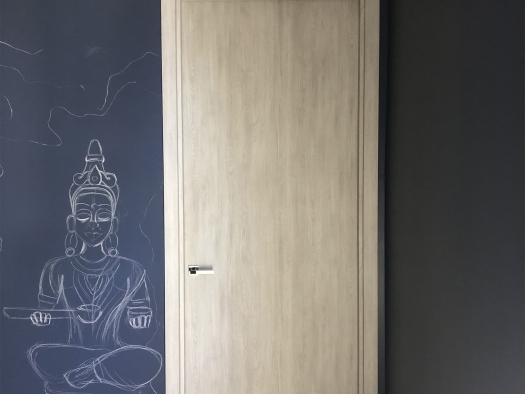
Darker wall colors can create striking contrast. Charcoal gray, navy blue, deep green, and black walls often appear more sophisticated when combined with bright white doors and trim.
Soft neutral colors such as beige, greige, and warm gray also work beautifully with white doors, creating a balanced and welcoming atmosphere.
The adaptability of white doors makes them a reliable choice regardless of future design changes.
White Interior Doors with Glass Panels
Glass panel doors combine the brightness of white finishes with the benefits of increased light transmission. They are especially valuable in areas where homeowners want to maintain openness between rooms.
Frosted glass panels provide privacy while allowing daylight to pass through. This makes them ideal for home offices, bathrooms, and laundry rooms.
Clear glass panels can enhance visual connectivity and help smaller spaces feel larger. They are often used in dining rooms, libraries, and transitional areas.
Popular configurations include:
-
Single glass panel doors
-
Multi-panel glass doors
-
Full-lite glass doors
-
Frosted glass inserts
-
Decorative glass patterns
These options allow homeowners to balance privacy, light flow, and design preferences.
How White Doors Influence Home Value
Interior doors may seem like a relatively small design element, but they can significantly influence buyer perception. Consistent, high-quality interior finishes often contribute to a home's overall market appeal.
White doors are widely appreciated because they appeal to a broad range of tastes. Potential buyers often view them as modern, clean, and easy to integrate into their own design preferences.
Replacing outdated or damaged doors with modern white alternatives can improve the perceived condition of a home. This enhancement may support higher resale value and stronger buyer interest.
For homeowners planning future resale, white doors represent a practical and broadly appealing investment.
Timeless design choices often provide the strongest long-term value, and white interior doors are among the most reliable examples.
Common Mistakes to Avoid When Choosing White Doors
Despite their versatility, homeowners sometimes make mistakes that reduce the overall effectiveness of white interior doors.
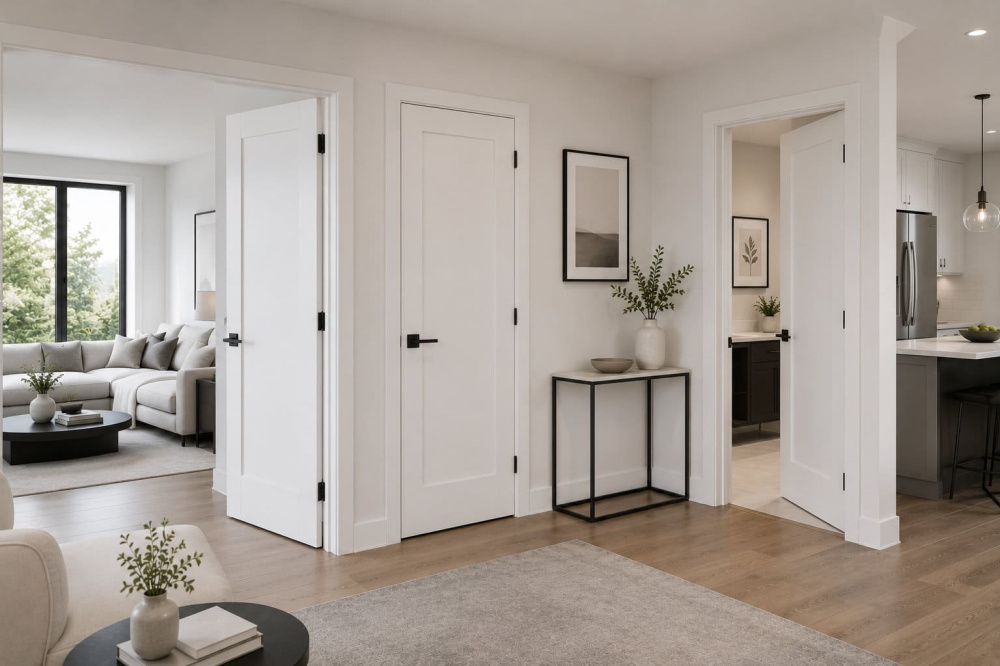
One common issue is selecting inconsistent shades of white. Mixing cool whites and warm whites within the same home can create visual imbalance and make spaces feel less cohesive.
Another mistake involves overlooking hardware selection. Door handles, hinges, and locks should complement the overall design style rather than compete with it.
Additional mistakes frequently include:
-
Choosing low-quality finishes
-
Ignoring traffic and durability requirements
-
Selecting the wrong sheen level
-
Using inconsistent trim colors
-
Prioritizing price over construction quality
Careful planning helps homeowners avoid these challenges and achieve a more polished final result.
Why White Interior Doors Remain a Smart Choice for Modern Homes
Few interior design elements offer the same combination of versatility, elegance, and long-term value as white interior doors. They complement virtually every architectural style, improve light distribution, support modern design trends, and provide a timeless foundation for future updates.
Whether homeowners prefer minimalist interiors, transitional spaces, contemporary aesthetics, or classic designs, white doors remain a reliable and attractive solution. Their ability to adapt to changing décor trends ensures that they continue to look relevant and appealing year after year.
By selecting the appropriate style, finish, material, and hardware, homeowners can create interiors that feel brighter, more cohesive, and more sophisticated. For modern homes seeking both beauty and practicality, white interior doors continue to set the standard for timeless interior design.