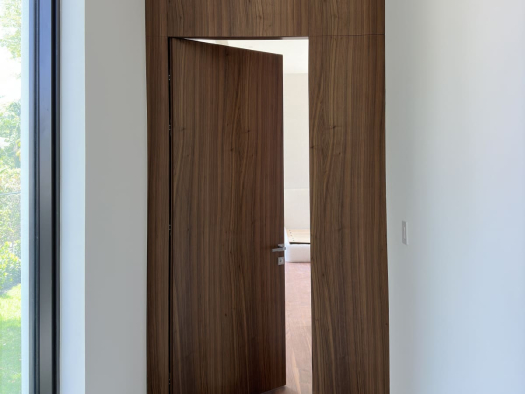

- Frameless Interior Doors and the Rise of Minimalist Architecture
- Classic Interior Doors and Their Enduring Architectural Value
- Design Aesthetics Comparison for Modern Homes
- Construction and Engineering Differences
- Space Optimization and Layout Flexibility
- Light Flow and Visual Continuity
- Cost Considerations and Long Term Value
- Durability and Maintenance Factors
- Which Interior Door Style Is Best for Your Home
Choosing between frameless interior doors and classic interior doors is one of the most important design decisions for modern homes in the United States. The door is no longer just a functional architectural element — it defines proportions, light flow, wall geometry, and the overall perception of space.
For homeowners, architects, and interior designers in Florida and across the US, selecting the right door style impacts both aesthetics and property value. At Indigo Doors, we manufacture and supply high-quality interior doors nationwide, offering collections that match both contemporary minimalism and timeless elegance.
This guide compares Frameless Doors (Invisible Doors) and Classic Collection interior doors, helping you decide which option aligns with your modern home design goals.
Frameless Interior Doors and the Rise of Minimalist Architecture
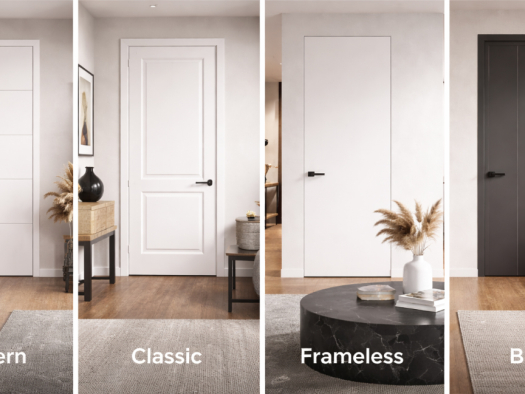
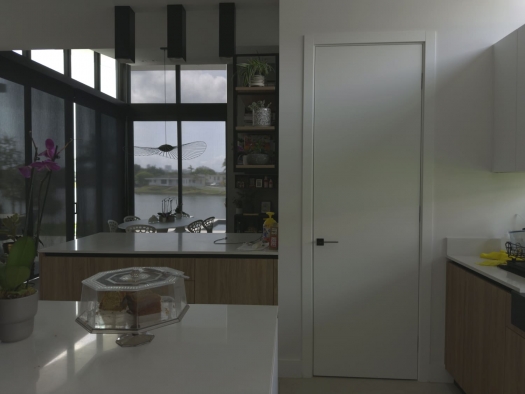
Frameless interior doors, often called invisible doors, are engineered to sit flush with the wall surface. The frame is concealed within the wall construction, and the door panel blends seamlessly with surrounding finishes.
In modern architecture, clean lines dominate. Frameless doors eliminate visible trim, reducing visual noise and creating uninterrupted wall planes. This approach is especially popular in:
-
Contemporary Florida residences
-
High-end condos
-
Modern luxury homes
-
Open-concept layouts
-
Architectural renovation projects
Unlike traditional designs, frameless doors shift attention from decorative details to spatial harmony. The effect is subtle but transformative.
“The best design elements are the ones you don’t immediately notice — they simply make the space feel right.”
Frameless doors are commonly used in pivot, swing, and even pocket door systems, allowing flexibility while maintaining a sleek aesthetic.
Classic Interior Doors and Their Enduring Architectural Value
Classic interior doors remain a cornerstone of American home design. From colonial-inspired homes to transitional interiors, classic panel doors offer warmth, structure, and architectural character.
The Indigo Doors Classic Collection is designed for homeowners who appreciate refined detailing without compromising modern performance standards.
Classic interior doors typically feature:
-
Defined panel construction
-
Decorative molding or raised profiles
-
Traditional proportions
-
Visible casing and trim
This style complements:
-
Traditional Florida homes
-
Mediterranean architecture
-
Craftsman and farmhouse interiors
-
Transitional design schemes
Classic doors provide visual depth. They create rhythm within hallways and contribute to the personality of a space rather than blending into it.
Design Aesthetics Comparison for Modern Homes
When comparing frameless vs classic interior doors, aesthetics are often the deciding factor.
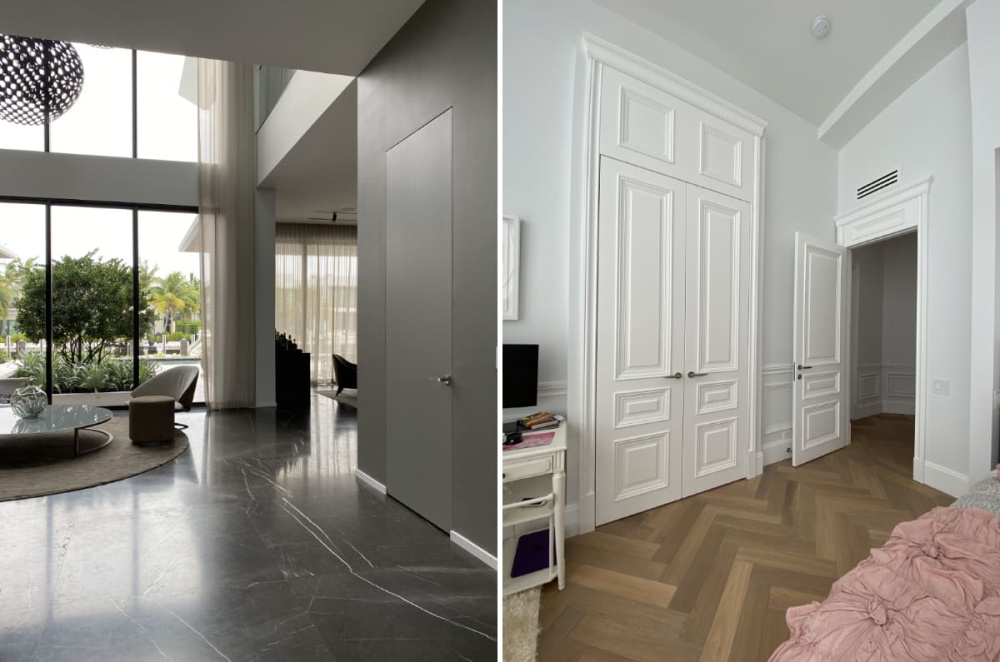
Frameless doors deliver a contemporary architectural statement. They visually expand the space by minimizing structural boundaries. Walls appear taller and more cohesive.
Classic doors, on the other hand, introduce structure and symmetry. They define room transitions clearly and enhance decorative elements such as crown molding and baseboards.
Key visual differences include:
-
Frameless doors sit flush with the wall
-
Classic doors include visible casing
-
Frameless options emphasize minimalism
-
Classic doors emphasize character and tradition
For ultra-modern interiors, frameless doors often feel natural. For balanced, layered interiors, classic doors offer timeless appeal.
Construction and Engineering Differences
Beyond appearance, there are structural distinctions between frameless interior doors and classic interior doors.
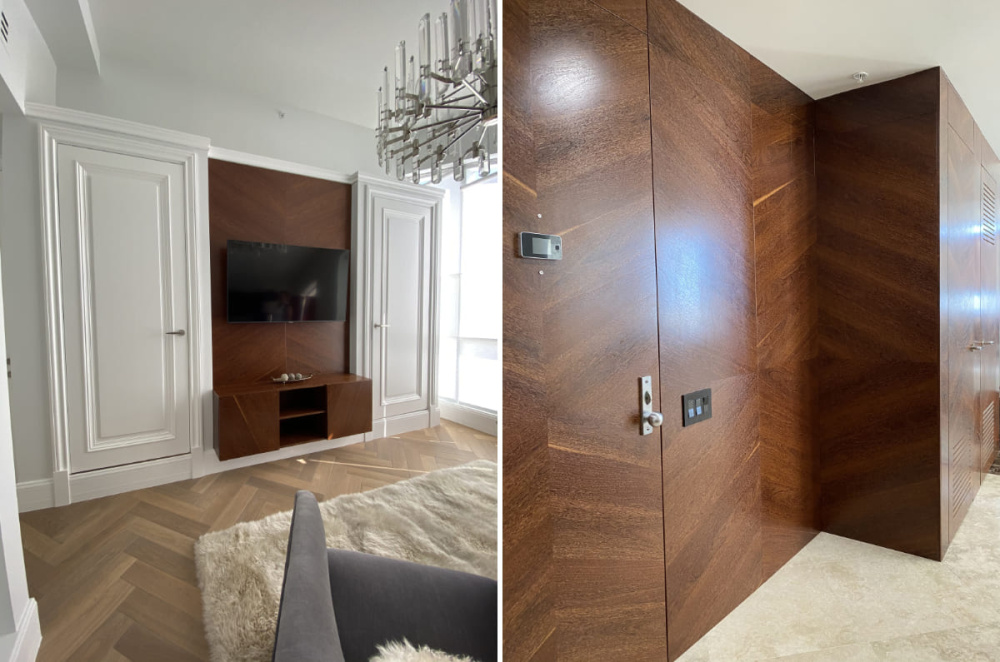
Frameless doors use concealed aluminum frames integrated into drywall. Hinges are typically hidden, and door slabs may be painted to match wall color or finished in veneer.
Classic interior doors rely on traditional jamb systems with visible trim. Hinges may be standard or concealed, depending on the design.
From an engineering perspective:
-
Frameless doors require precise wall preparation
-
Classic doors offer straightforward compatibility with most wall types
-
Frameless systems prioritize alignment and minimal tolerance
-
Classic systems provide easier design integration in renovations
Both door types are available in swing, double swing (French), and specialty configurations, depending on architectural needs.
Space Optimization and Layout Flexibility
Modern homeowners frequently prioritize space efficiency. Door selection plays a direct role in how rooms function.
Frameless doors work exceptionally well in:
-
Small apartments
-
Open-plan spaces
Their low-profile design reduces visual clutter.
Classic doors are ideal when:
-
Architectural symmetry is important
-
Statement entryways are desired
-
The home features detailed trim work
In certain layouts, combining both styles can create strategic contrast. For example, using frameless doors in private areas and classic doors in living spaces enhances zoning without overwhelming the design.
Light Flow and Visual Continuity
Frameless interior doors are often used to enhance visual continuity. When painted the same color as the wall, they almost disappear, allowing furniture and architectural lighting to stand out.
Classic doors define space more distinctly. They frame entry points and may include glass inserts for added light transmission.
From a lighting perspective:
-
Frameless doors support seamless wall finishes
-
Classic doors can incorporate decorative glass panels
-
Both styles can be paired with barn or pocket configurations
-
Finish selection impacts light reflection
“Interior doors influence how natural light travels through a home more than most people realize.”
In Florida homes where natural sunlight is abundant, selecting the right finish significantly impacts ambiance.
Cost Considerations and Long Term Value
Pricing varies depending on materials, customization level, and finish options. Frameless interior doors often require specialized framing systems, which may affect overall project budgeting.
Classic interior doors tend to offer more standardized construction, making them cost-predictable for many homeowners.
When evaluating cost, consider:
-
Architectural style compatibility
-
Long-term resale value
-
Custom finish requirements
-
Door hardware selection
High-quality interior doors are not just aesthetic upgrades — they contribute to perceived property value. Buyers often notice premium doors immediately.
Durability and Maintenance Factors
Both frameless and classic interior doors manufactured by Indigo Doors are engineered for durability and performance.
Frameless doors require careful wall finishing to maintain their seamless effect. Any wall modifications may impact alignment.
Classic doors are slightly more forgiving in terms of visible trim adjustments and repainting over time.
Maintenance considerations include:
-
Surface finish durability
-
Hinge quality
-
Environmental humidity levels
-
Cleaning methods
Florida’s climate makes material stability important. Selecting properly engineered doors ensures long-term reliability.
Which Interior Door Style Is Best for Your Home
The choice between frameless vs classic interior doors ultimately depends on:
-
Your home’s architectural language
-
Personal design preference
-
Budget parameters
-
Desired visual impact
If your goal is ultra-modern minimalism, frameless interior doors create a refined, architectural aesthetic.
If you value timeless elegance and defined detailing, classic interior doors remain an enduring choice.
At Indigo Doors, we manufacture and supply Modern Interior Doors, Royal Collection doors, Frameless Doors (Invisible Doors), and Classic Collection interior doors across the United States, with our main office in Florida. Our collections include various configurations such as swing, double swing (French), pocket, barn, bypass, bi-fold, pivot, roto, and Magic doors, ensuring flexibility for any project.
Selecting the right door is more than choosing a product — it is shaping how your home feels every day.