
- Why Interior Doors Matter More in Small Spaces
- Pocket Doors That Disappear When You Need Space
- Sliding Doors That Maximize Usable Area
- Frameless Doors That Blend with the Wall
- Choosing the Right Door Swing Direction
- Using Glass to Increase Light and Depth
- Minimalist Door Designs That Reduce Visual Weight
- Bi-Fold Doors for Flexible Small Rooms
- Matching Door Color to Walls for Visual Continuity
- Making Small Spaces Work Better with the Right Doors
Small spaces demand smarter design decisions. In compact homes, apartments, and modern layouts with limited square footage, interior doors can either enhance functionality or quietly work against it. The wrong door choice can block movement, interrupt light, and make a room feel smaller than it actually is.
The good news is that the right interior door ideas can dramatically improve how a small space looks and feels—without sacrificing style.
“In small interiors, every design decision is amplified. Doors are no exception.”
Why Interior Doors Matter More in Small Spaces
In larger homes, door choices often fade into the background. In small spaces, however, doors are constantly in view and heavily used. Their movement, proportions, and visual weight directly affect how open or confined a room feels.
A door that swings too wide, looks too heavy, or visually interrupts the wall can shrink a space instantly. That’s why interior door design becomes a strategic decision rather than a decorative one.
Key challenges small spaces face include:
- Limited clearance and circulation
- Reduced natural light
- Visual clutter from architectural elements
In compact interiors, doors are not just transitions. They are spatial tools.
Pocket Doors That Disappear When You Need Space
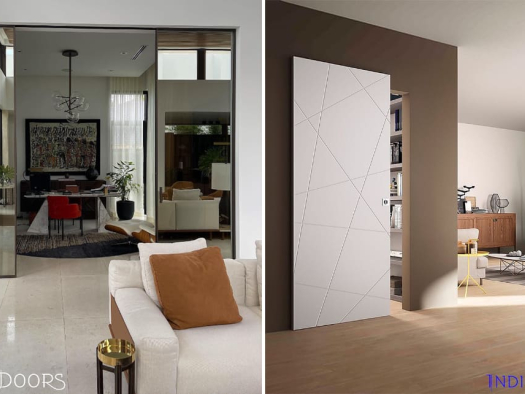
Pocket doors are one of the most effective solutions for small spaces. When open, they slide into the wall and completely disappear from view, freeing up valuable floor area.
This makes them ideal for bathrooms, closets, home offices, and tight living areas where every inch matters. Pocket doors allow rooms to connect or separate without adding visual or physical bulk.
Advantages of pocket doors include:
- No swing clearance required
- Cleaner wall lines when open
- Improved room flexibility
When a door disappears, the space suddenly feels bigger.
Sliding Doors That Maximize Usable Area
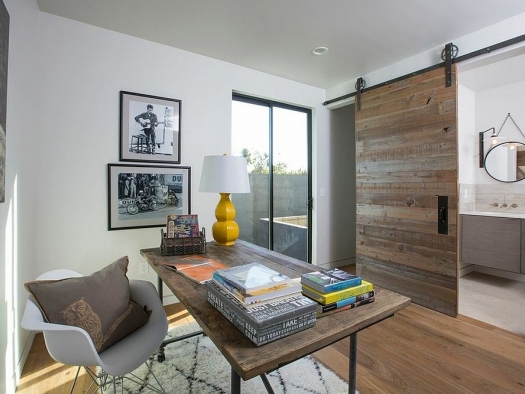
Sliding doors work well in small spaces where traditional swing doors would interfere with furniture placement or walkways. Unlike pocket doors, they remain visible when open, but their linear movement keeps circulation clear.
Modern sliding doors with clean lines and minimal hardware feel intentional rather than temporary, making them suitable even for living spaces.
Effective sliding door applications include:
- Small bedrooms
- Compact living rooms
- Narrow hallways
A sliding door works best when it moves with the space, not against it.
Frameless Doors That Blend with the Wall
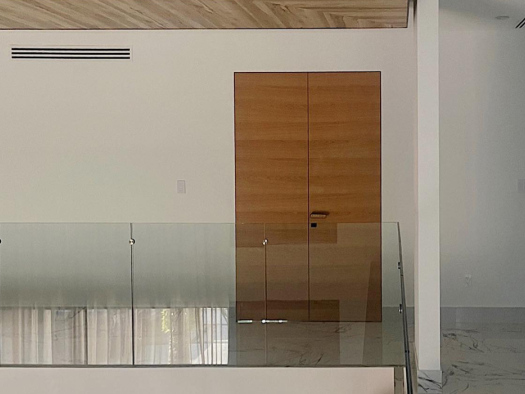
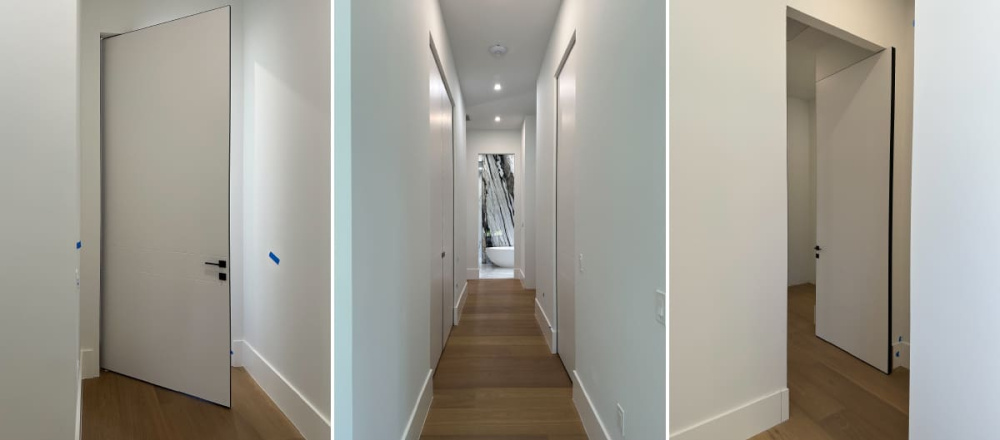
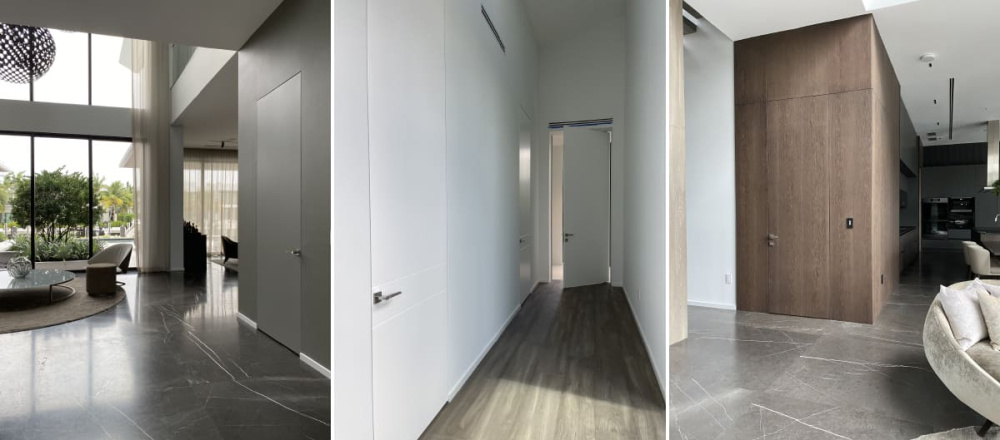
Frameless interior doors are a powerful visual solution for small spaces. By sitting flush with the wall, they reduce contrast and visual breaks, helping the room feel more continuous and open.
When finished to match the wall color, these doors almost disappear, which is especially valuable in compact interiors where visual simplicity is key.
Benefits of frameless doors in small spaces:
- Reduced visual clutter
- Seamless wall-to-door transitions
- A cleaner, more spacious appearance
“The less you notice the door, the more you notice the space.”
Choosing the Right Door Swing Direction
Sometimes the solution isn’t changing the door type, but rethinking how it opens. In small spaces, door swing direction can make a significant difference in usability.
A poorly planned swing can block furniture, interrupt movement, or visually crowd the room. Choosing a swing that opens toward a less-used area can instantly improve flow.
Smart swing considerations include:
- Opening toward walls instead of walkways
- Avoiding overlap with furniture zones
- Supporting natural movement paths
Good design often comes down to small, invisible decisions.
Using Glass to Increase Light and Depth
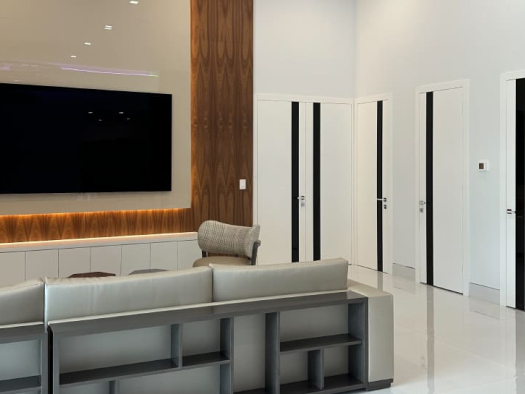
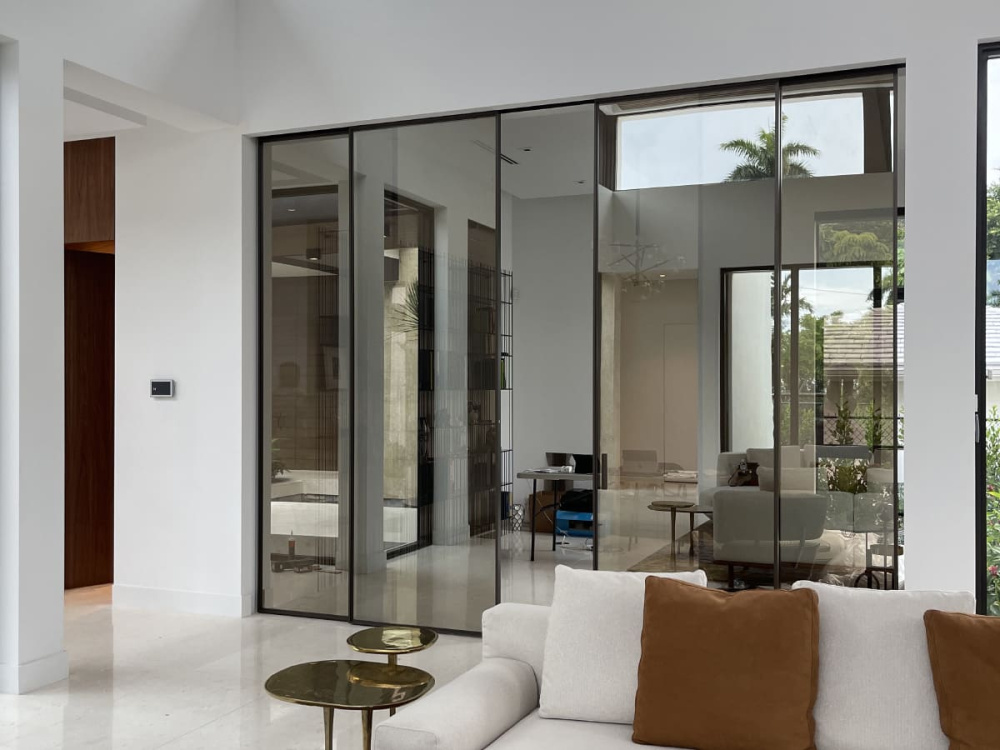
Glass interior doors are an excellent option for small spaces that struggle with natural light. By allowing light to pass through, they help rooms feel brighter and more expansive.
Frosted or lightly textured glass maintains privacy while still supporting openness, making it a versatile choice for compact interiors.
Glass door benefits include:
- Improved light distribution
- Increased sense of depth
- Visual connection between rooms
Light is one of the most effective tools for making a small space feel larger.
Minimalist Door Designs That Reduce Visual Weight
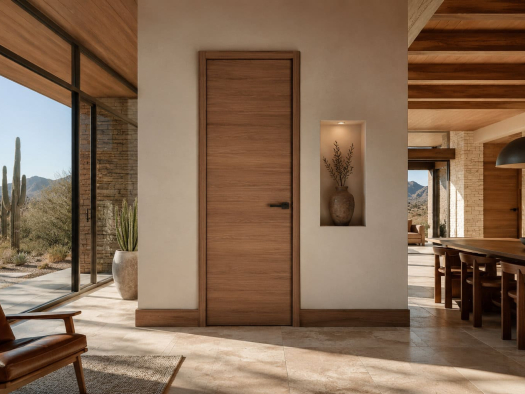
Heavy panels, deep grooves, and decorative detailing can overwhelm a small space. Minimalist door designs with flat surfaces and clean proportions help maintain visual balance.
In compact interiors, less detail often results in a more refined and spacious feel.
Minimalist design principles that work best:
- Flat or subtly textured panels
- Neutral or wall-matching finishes
- Simple, modern proportions
“In small spaces, simplicity feels intentional, not empty.”
Bi-Fold Doors for Flexible Small Rooms
Bi-fold doors can be an effective solution when a wide opening is needed but space is limited. When opened, the panels fold neatly to the side, reducing the footprint compared to traditional swing doors.
They are often used for closets, laundry areas, or compact storage zones.
Why bi-fold doors can work well:
- Efficient use of limited space
- Wide access when open
- Practical functionality in compact layouts
Flexibility is one of the greatest advantages in small-space design.
Matching Door Color to Walls for Visual Continuity
Color choice plays a major role in how a door affects a small space. Doors that contrast strongly with walls create visual breaks, while doors that blend in support continuity.
Matching the door finish to the wall color can visually expand the room and reduce architectural noise.
Color strategies that work:
- Wall-matching painted finishes
- Soft neutrals instead of high contrast
- Consistent tones across connected spaces
Sometimes the smartest design move is to let elements quietly blend in.
Making Small Spaces Work Better with the Right Doors
Small spaces don’t require compromise—they require smarter choices. Interior doors that respect movement, light, and proportion can transform compact interiors into comfortable, functional environments.
The best small space interior door ideas focus on:
- Reducing physical and visual obstruction
- Supporting natural flow and light
- Maintaining a clean, cohesive design
When doors work with the space instead of against it, small interiors start to feel surprisingly generous.