
- Treating Interior Doors as an Afterthought
- Choosing Style Over Function
- Ignoring Proportions and Scale
- Overloading the Interior with Too Many Door Styles
- Choosing the Wrong Door Type for the Space
- Overlooking Light and Visual Flow
- Following Trends Without Long-Term Thinking
- Neglecting Finish Durability in High-Visibility Areas
- Forgetting How Doors Affect Space Perception
- Making the Right Interior Door Design Decisions
Interior doors play a much larger role in home design than many homeowners realize. They influence how spaces connect, how light moves through the interior, and how cohesive the overall design feels. Unfortunately, interior doors are often chosen late in the design process, which leads to common and costly mistakes.
Avoiding these interior door design mistakes can dramatically improve the look, flow, and long-term value of a modern home.
“Most interior design mistakes aren’t obvious on day one — they reveal themselves over time.”
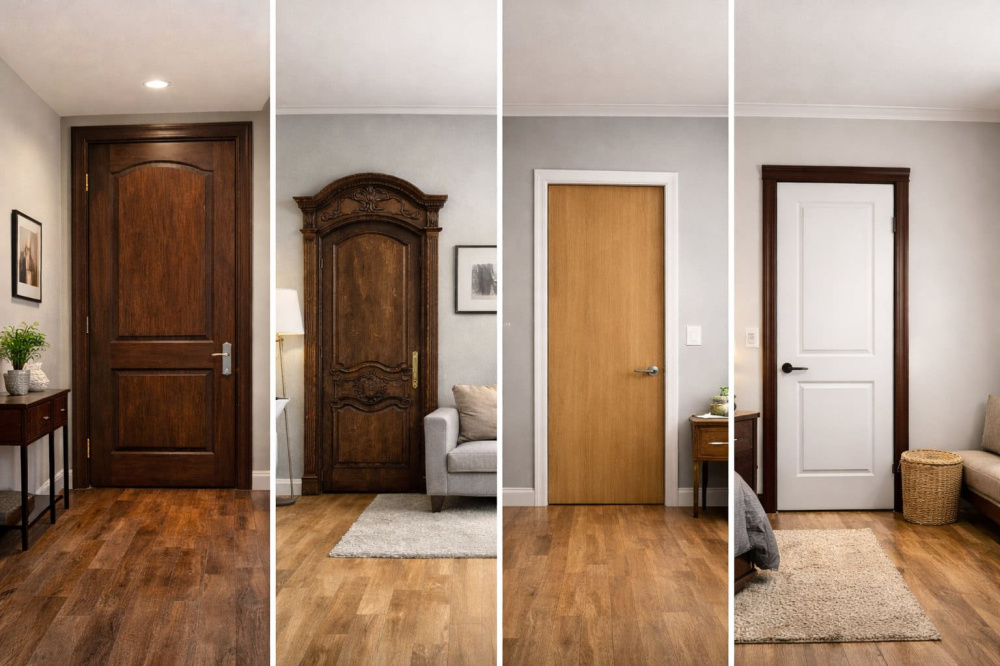
Treating Interior Doors as an Afterthought
One of the most common mistakes is selecting interior doors as a last-minute decision. When doors are chosen without considering the overall design concept, they often clash with walls, flooring, and architectural details.
Interior doors should be part of the design conversation from the very beginning. Their style, proportions, and finish must align with the home’s aesthetic direction.
Common consequences of this mistake include:
- Doors that feel visually disconnected from the space
- Inconsistent styles across rooms
- Missed opportunities to enhance architectural flow
Interior doors are not accessories. They are architectural elements.
Choosing Style Over Function
Design-focused homeowners sometimes prioritize appearance while overlooking how a door will actually be used. A visually striking door that disrupts movement or limits flexibility quickly becomes frustrating.
For example, wide swing doors in tight areas or overly heavy panels in high-traffic zones can negatively affect daily comfort.
Key functional aspects to consider include:
- Door movement and clearance
- Frequency of use
- Relationship to furniture and walkways
Good design always supports how a space is lived in.
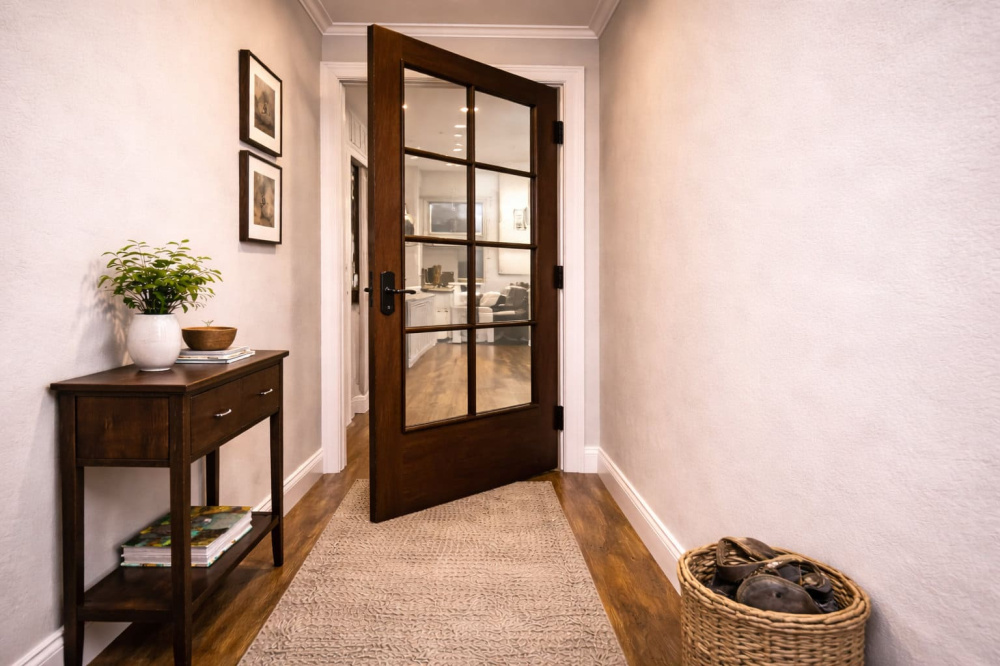
Ignoring Proportions and Scale
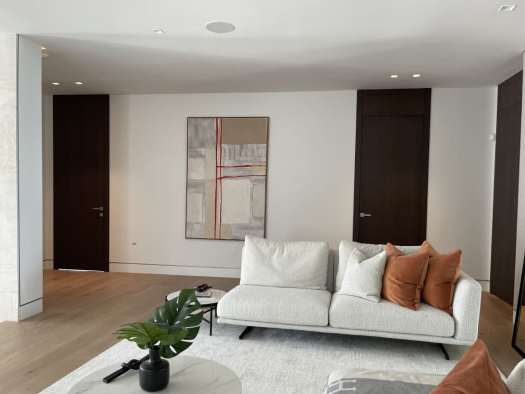
Interior doors that are out of proportion with the room instantly feel “off,” even if the materials and finishes are high quality. Oversized doors in small rooms or narrow doors in large open spaces break visual balance.
Modern interiors rely heavily on proportion. Door height, width, and panel design should reflect ceiling height and wall scale.
Mistakes related to proportion often lead to:
- Visual imbalance
- Reduced sense of openness
- A design that feels unintentionally awkward
Proportion is one of the quiet foundations of good interior design.
Overloading the Interior with Too Many Door Styles
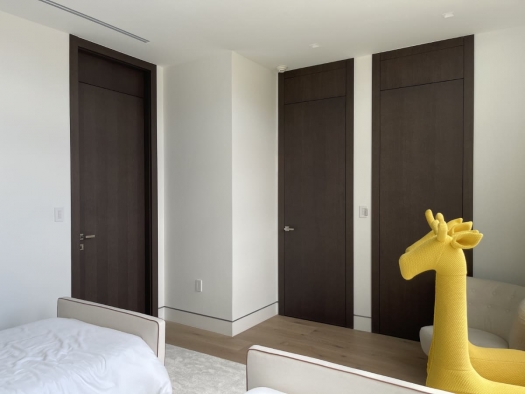
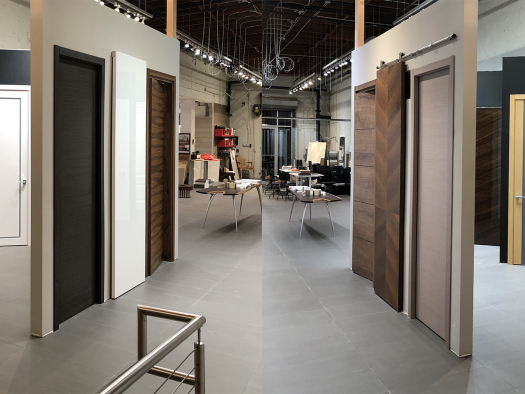
Using multiple interior door styles throughout the home may seem like a way to add variety, but it often creates visual chaos. Switching between classic, modern, and decorative doors disrupts the architectural rhythm of the space.
A cohesive approach does not mean every door must look identical, but they should clearly belong to the same design language.
Best practices for consistency:
- Choose one primary door style for main areas
- Use variations in finish rather than form
- Maintain consistent lines and proportions
“Consistency doesn’t limit creativity — it strengthens it.”
Choosing the Wrong Door Type for the Space
Not every door type works well in every room. Selecting a door type without considering layout and flow is a common design mistake.
For example, swing doors may feel intrusive in compact areas, while sliding doors might not provide the desired level of separation in formal spaces.
Door type mismatches often result in:
- Awkward room transitions
- Limited furniture placement
- Reduced usability of the space
The best door choice feels natural the moment you use it.
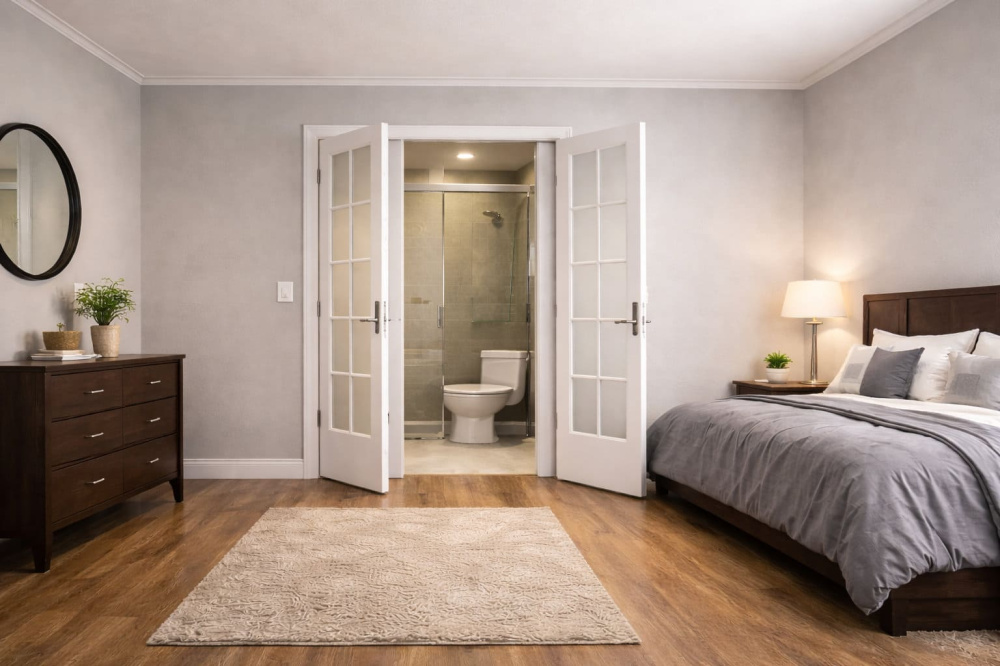
Overlooking Light and Visual Flow
Interior doors have a significant impact on how light travels through a home. Solid, opaque doors placed between naturally bright areas can interrupt light flow and make spaces feel smaller or darker.
Modern interiors benefit from doors that respect openness and visual continuity, especially in shared living areas.
Design mistakes related to light include:
- Blocking natural light unnecessarily
- Creating visual barriers in open layouts
- Using heavy designs where subtle separation is enough
Light is one of the most valuable design materials in a home.
Following Trends Without Long-Term Thinking
Trends can be inspiring, but blindly following them often leads to regret. Interior doors that rely too heavily on short-lived design trends may feel outdated in just a few years.
Timeless design is especially important for elements that are not easily replaced.
Common trend-driven mistakes include:
- Overly decorative panels
- Extreme colors without balance
- Highly specific stylistic themes
“The most modern choice is often the one that ages best.”
Neglecting Finish Durability in High-Visibility Areas
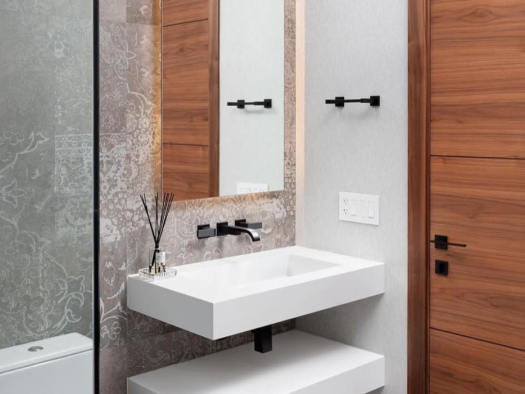
Interior doors are touched, opened, and closed daily. Choosing finishes that look good in a showroom but perform poorly in real life is a frequent mistake.
High-gloss surfaces, delicate veneers, or easily scuffed materials can show wear quickly in busy areas like living rooms and hallways.
Durable finishes should offer:
- Resistance to fingerprints and scratches
- Color stability over time
- Easy maintenance
A beautiful door should stay beautiful under daily use.
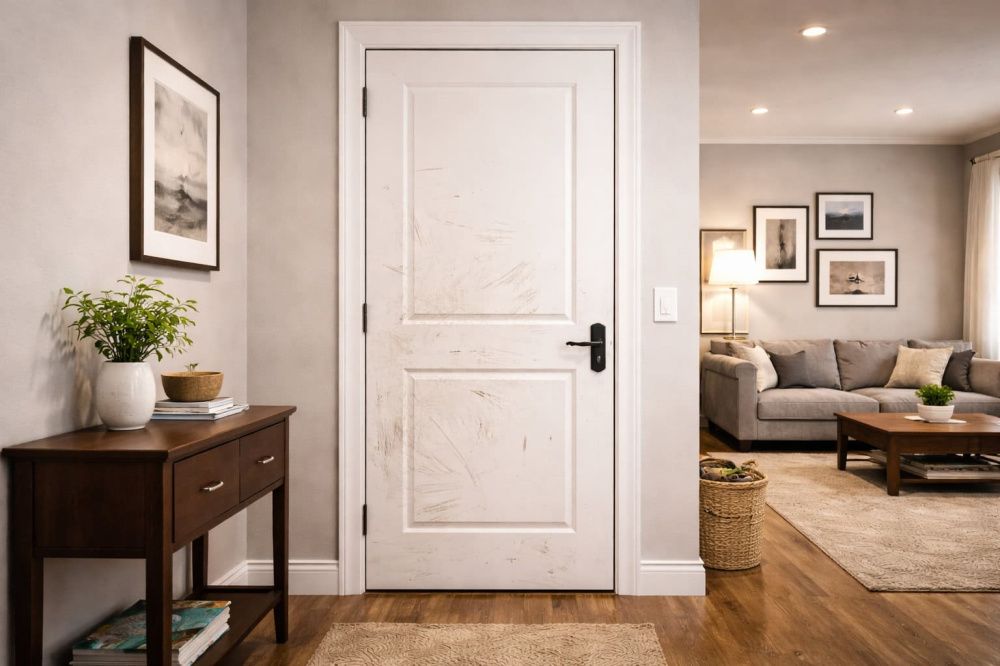
Forgetting How Doors Affect Space Perception
Interior doors influence how large or small a space feels. Poor door choices can visually shrink a room or disrupt sightlines.
Doors that blend with walls or use clean, minimal lines tend to support spatial openness, while bulky designs can overwhelm smaller rooms.
Guidelines to improve space perception:
- Use clean-lined designs in compact spaces
- Avoid heavy visual detailing where openness matters
- Match door finishes to wall tones when possible
Sometimes, the best door is the one you barely notice.
Making the Right Interior Door Design Decisions
Avoiding interior door design mistakes starts with awareness. By considering proportion, function, consistency, and long-term relevance, homeowners can make choices that enhance both aesthetics and everyday living.
Interior doors should support the architecture, respect the flow of the home, and age gracefully over time.
When interior doors are chosen thoughtfully, they stop being a problem to solve and start becoming part of the solution.