
- Why modern offices are embracing minimalist interior doors
- The relationship between minimalism and professional environments
- Characteristics of minimalist office interior doors
- How elegant door design influences workplace perception
- Popular materials for modern office doors
- Glass office doors and modern workplace design
- Comparing minimalist office door options
- Interesting facts about minimalist office doors
- The role of acoustic performance in office doors
- Color choices that reinforce elegance
- Hidden frame systems and seamless architecture
- Choosing the right balance between aesthetics and functionality
Why modern offices are embracing minimalist interior doors
Modern workplace design has evolved significantly over the last decade. Companies increasingly prioritize environments that support productivity, collaboration, professionalism, and employee well-being. As office interiors become more refined and intentional, every architectural element plays a role in shaping the overall atmosphere, including interior doors.
Minimalist office interior doors have emerged as a preferred choice for businesses seeking a clean, contemporary appearance. Their streamlined design reduces visual clutter, enhances architectural consistency, and contributes to an organized workspace that feels both professional and welcoming.
The combination of minimalism and elegance has become particularly attractive because it balances aesthetics with functionality. Rather than relying on excessive decorative details, minimalist doors create impact through proportion, material quality, craftsmanship, and thoughtful design.
The relationship between minimalism and professional environments
Minimalist design principles focus on simplicity, functionality, and intentional use of space. In office settings, these principles help create environments that encourage concentration while reducing unnecessary distractions.
Employees often spend many hours each day within the workplace. A visually balanced environment can contribute to a more comfortable experience and help support productivity. Clean architectural lines and uncluttered interiors often create a sense of order that benefits both staff and visitors.
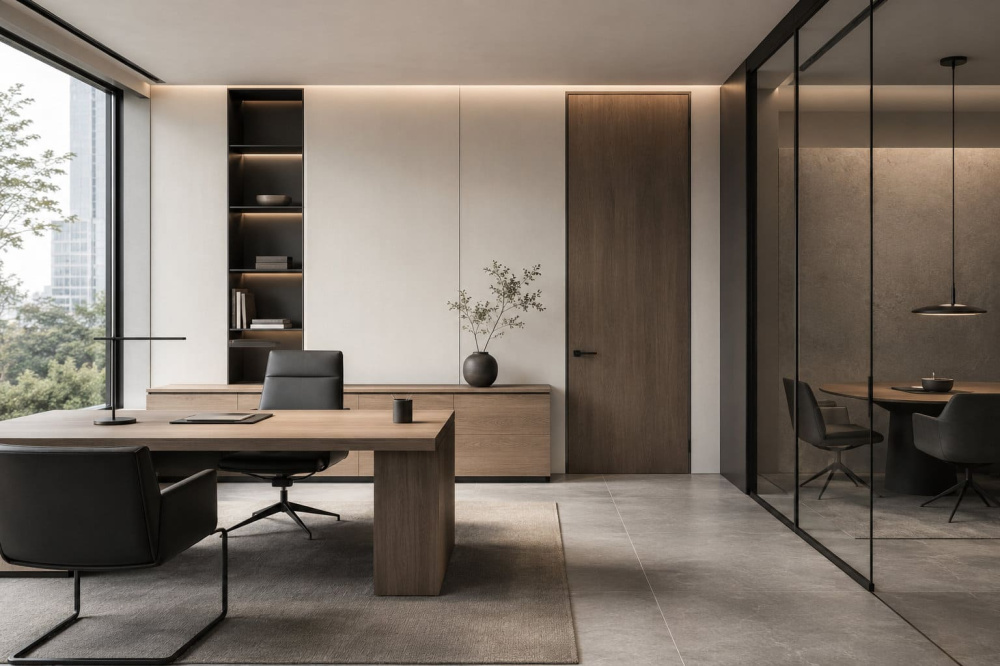
Interior doors contribute significantly to this effect because they are repeated throughout the office. Consistent door styles help unify different departments, meeting rooms, executive offices, and collaborative workspaces.
"Elegant office design is not defined by excess but by the careful elimination of unnecessary elements."
This philosophy explains why minimalist doors have become increasingly common in modern commercial interiors.
Characteristics of minimalist office interior doors
Minimalist office doors are designed to integrate seamlessly into the surrounding environment. Their appearance emphasizes simplicity without sacrificing sophistication.
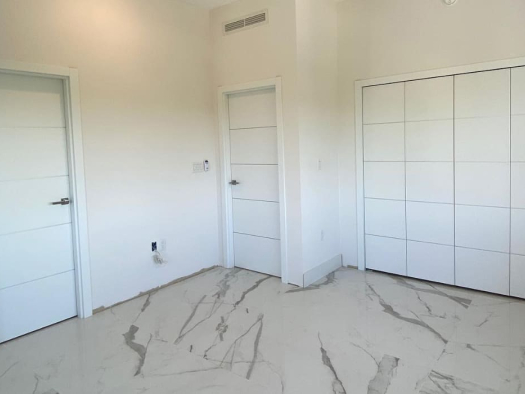
Unlike traditional doors featuring elaborate moldings or decorative panels, minimalist designs typically utilize smooth surfaces, precise lines, and subtle detailing. This approach creates a refined appearance that remains timeless even as design trends evolve.
High-quality materials and precision manufacturing are particularly important because minimalist designs leave little room for imperfections. Every detail becomes more noticeable when visual distractions are removed.
Common features of minimalist office doors
- Flush Door surfaces with clean lines;
- Concealed Or discreet hardware systems;
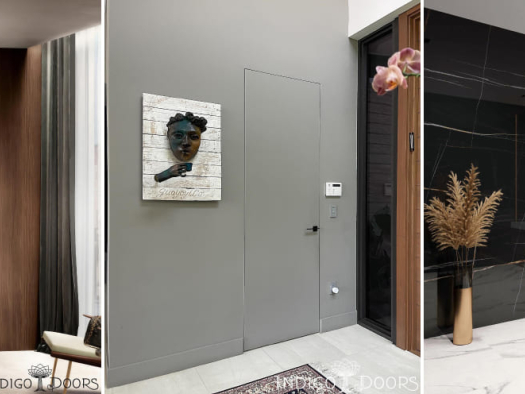
- Hidden Frame installations;
- Premium Material finishes;
- Neutral Color palettes;
- Precise Architectural proportions;
These features work together to create doors that support the overall aesthetic rather than competing with surrounding design elements.
How elegant door design influences workplace perception
First impressions matter in business environments. Clients, partners, investors, and prospective employees often form opinions about a company based on the quality and professionalism of its workspace.
Elegant interior doors contribute to a polished appearance that reflects attention to detail and organizational standards. Well-designed office interiors communicate professionalism, stability, and confidence.
For executive offices, conference rooms, and client-facing areas, premium door systems can enhance the overall experience while reinforcing the company's brand image.
Even subtle design upgrades can influence how visitors perceive the quality and credibility of a business.
Popular materials for modern office doors
Material selection plays a central role in achieving both minimalist aesthetics and long-term durability. Commercial environments often require products capable of handling frequent daily use while maintaining their appearance.
Engineered wood is a popular option because it provides stability and allows for premium veneer finishes. Glass remains a favorite choice for collaborative office environments because it enhances transparency and allows natural light to move throughout the workspace.
Metal accents and specialized laminates are also commonly incorporated into contemporary office door systems. These materials help achieve clean lines while providing excellent durability.
- Engineered Wood for dimensional stability;
- Natural Veneers for sophisticated appearance;
- Glass Panels for openness and transparency;
- Commercial Laminates for durability;
- Aluminum Details for contemporary styling;
The ideal material combination depends on both design goals and operational requirements.
Glass office doors and modern workplace design
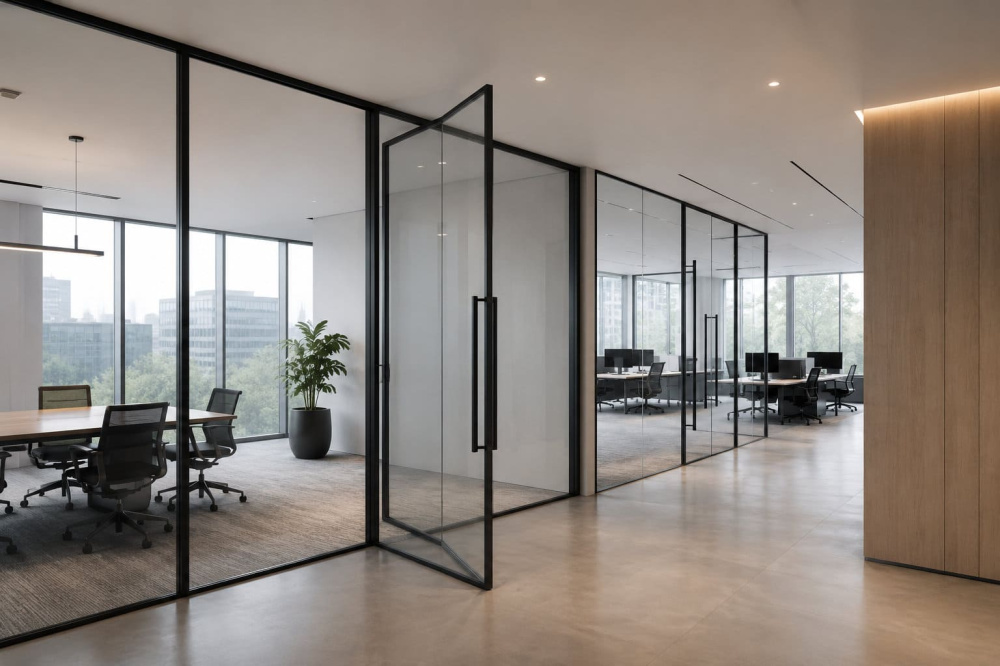
Glass doors have become one of the defining features of contemporary office architecture. They support transparency, encourage collaboration, and maximize the distribution of natural light throughout the workplace.
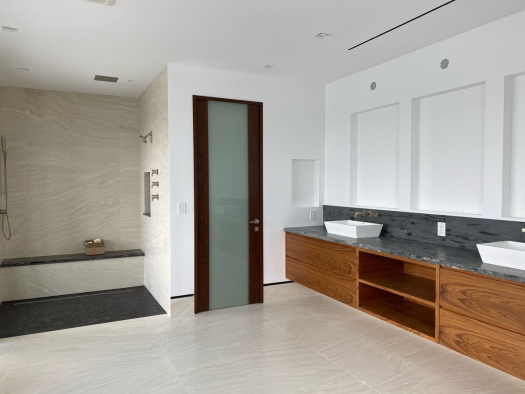
Modern glass office doors are available in numerous configurations, including clear, frosted, tinted, and textured options. This flexibility allows businesses to balance openness and privacy according to the needs of individual spaces.
Conference rooms, executive offices, meeting spaces, and collaborative work areas frequently incorporate glass doors because they create a more connected and inviting environment.
Advances in acoustic glass technology have also improved sound control, making glass doors practical for a wider range of office applications.
Comparing minimalist office door options
| Door style | Visual simplicity | Privacy | Natural light | Modern appeal |
|---|---|---|---|---|
| Flush door | Excellent | Excellent | Low | Excellent |
| Glass door | Excellent | Moderate | Excellent | Excellent |
| Hidden frame door | Excellent | Excellent | Low | Premium |
| Frosted glass door | Excellent | Good | Excellent | Excellent |
| Wood veneer door | High | Excellent | Low | Premium |
Interesting facts about minimalist office doors
Many modern corporate headquarters utilize hidden-frame door systems that blend seamlessly into surrounding walls, creating uninterrupted architectural surfaces throughout the office.
Some premium office doors incorporate magnetic latching technology that eliminates visible strike plates and enhances the clean appearance associated with minimalist design.
Architectural firms often specify floor-to-ceiling office doors because they visually increase ceiling height and contribute to a more impressive workplace environment.
Studies in workplace design suggest that organized visual environments can help reduce cognitive distractions and support focused work activities.
The role of acoustic performance in office doors
While aesthetics are important, office doors must also support productivity by helping manage noise levels. Open work environments often generate conversations, phone calls, meetings, and other sounds that can affect concentration.
High-quality office doors help reduce sound transmission between spaces. Executive offices, conference rooms, human resources departments, and private meeting areas particularly benefit from enhanced acoustic performance.
Solid-core construction, specialized seals, and precision installation all contribute to improved sound control. These features can significantly enhance comfort and privacy within the workplace.
Many businesses now consider acoustic performance a key requirement rather than an optional upgrade.
"The most effective office spaces support both collaboration and focused work without compromising either."
Well-designed interior doors play an important role in achieving this balance.
Color choices that reinforce elegance
Color selection has a significant impact on how minimalist office doors contribute to the overall workplace design. Neutral palettes remain the most popular choice because they support flexibility and timeless appeal.
White doors create bright and airy interiors, while soft gray finishes provide subtle sophistication. Natural wood veneers introduce warmth and texture without disrupting the minimalist aesthetic.
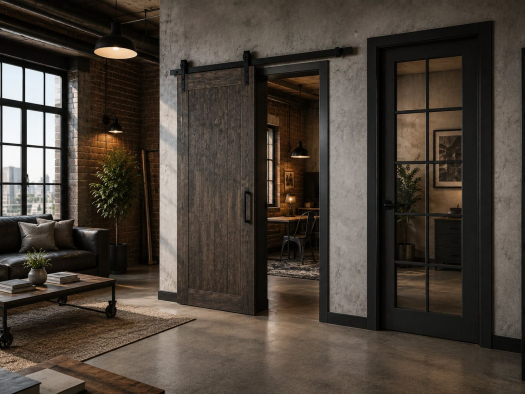
Black-framed glass doors have become increasingly common in contemporary office design because they create visual contrast while maintaining clean architectural lines.
The most successful color choices are those that complement flooring, walls, furniture, and lighting throughout the office.
Hidden frame systems and seamless architecture
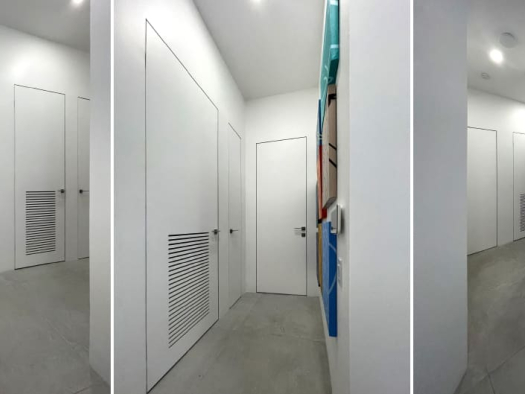
Hidden-frame doors represent one of the most advanced expressions of minimalist office design. These systems eliminate visible frames and trim, allowing doors to integrate directly into surrounding walls.
The result is a seamless appearance that enhances architectural simplicity and visual continuity. Hidden-frame systems are frequently used in executive offices, boardrooms, and premium commercial environments where design quality is a priority.
Although they typically require more precise installation and higher initial investment, many organizations consider the aesthetic benefits worthwhile. The clean appearance contributes to a sophisticated and contemporary workplace environment.
As minimalist office design continues to evolve, hidden-frame door systems are expected to remain a prominent feature in high-end commercial interiors.
Choosing the right balance between aesthetics and functionality
The most successful office interiors achieve a balance between visual appeal and practical performance. Interior doors should support workflow, privacy requirements, acoustic needs, and long-term durability while contributing to the overall design vision.
Minimalist door systems provide flexibility across a wide range of office environments, from creative studios and technology companies to law firms and corporate headquarters. Their timeless appearance helps ensure that interiors remain relevant as workplace trends evolve.
Businesses that invest in high-quality office doors often benefit from improved aesthetics, greater employee comfort, and stronger first impressions among visitors and clients.
"True elegance in workplace design comes from solutions that perform exceptionally while appearing effortless."
Minimalist office interior doors exemplify this principle by combining architectural simplicity, functionality, and lasting sophistication.