
- Why Door Color Matters More Than Most Homeowners Realize
- White Interior Doors and the Desire for Simplicity
- Black Doors and a Bold Sense of Confidence
- Gray Doors and a Balanced Personality
- Natural Wood Tones and a Connection to Authenticity
- Blue Doors and a Preference for Calm Spaces
- Green Doors and an Appreciation for Nature
- Navy and Deep Colors That Suggest Luxury
- How Color Influences Perceived Room Size
- Matching Door Colors to Interior Design Styles
- Common Mistakes When Choosing Interior Door Colors
- Choosing a Door Color That Reflects Your Personality
Interior doors are often viewed as purely functional elements within a home. They provide privacy, define spaces, and contribute to the overall architectural design. However, the color of an interior door can have a surprisingly powerful impact on the atmosphere of a room and the way people perceive a home. Just like wall colors, furniture finishes, and decorative accents, door colors communicate personality, style preferences, and even emotional characteristics.
Modern homeowners are increasingly moving beyond traditional white doors and exploring a wider range of colors to add character and individuality to their interiors. Whether subtle and sophisticated or bold and dramatic, interior door colors can influence mood, create visual focal points, and help tell a story about the people who live in the space.
While color psychology is not an exact science, designers have long understood that different colors evoke different feelings and associations. Understanding the meaning behind popular interior door colors can help homeowners make choices that reflect their personality while enhancing the overall design of their homes.
Why Door Color Matters More Than Most Homeowners Realize
Many people spend considerable time selecting paint colors for walls while giving little thought to their interior doors. Yet doors occupy a significant amount of visual space and can strongly influence the character of a room.
A carefully chosen door color can create contrast, establish continuity, or serve as an architectural feature. In modern interiors, doors are no longer expected to disappear into the background. Instead, they are increasingly used as intentional design elements.
Color also affects emotional perception. Certain shades can make spaces feel more relaxing, energetic, luxurious, or welcoming. Because interior doors connect different areas of the home, their color contributes to the overall flow and harmony of the design.
Choosing the right door color is therefore both a practical and personal decision that extends beyond simple aesthetics.
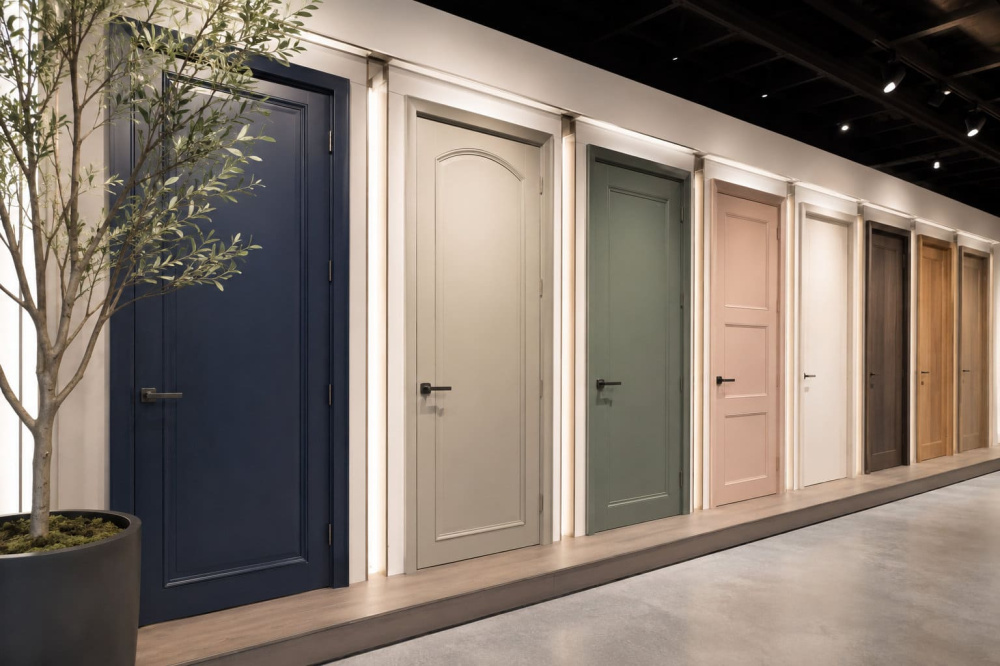
White Interior Doors and the Desire for Simplicity
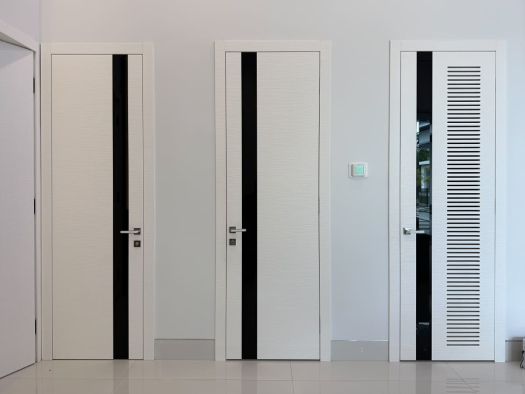
White remains the most popular interior door color in the United States, and its enduring appeal is easy to understand. White doors are often associated with cleanliness, organization, balance, and timeless design.
Homeowners who choose white doors frequently appreciate simplicity and versatility. White works with virtually every architectural style and allows other design elements to become the focal point of a room.
From a psychological perspective, white is often connected to clarity, openness, and fresh beginnings. It creates a calm environment that feels bright and welcoming.
Many minimalist and contemporary homes rely on white doors because they contribute to a cohesive and uncluttered appearance that never feels overwhelming.
Color may be a design choice, but it is also a reflection of personality, values, and the atmosphere we want to create around us.
Black Doors and a Bold Sense of Confidence
Black interior doors have become one of the strongest design trends in recent years. They create dramatic contrast and instantly attract attention within a space.
Homeowners who choose black doors are often drawn to sophisticated, modern, and confident design statements. Black communicates strength, elegance, and a willingness to embrace bold choices.
In contemporary homes, black doors can serve as architectural anchors that define spaces and create visual structure. They work particularly well with white walls, natural wood finishes, and industrial-inspired interiors.
Despite their bold appearance, black doors can feel surprisingly timeless when paired with quality materials and thoughtful design.
Gray Doors and a Balanced Personality
Gray occupies a unique position between black and white, making it one of the most versatile interior door colors available. It offers sophistication without feeling overly dramatic.
People who gravitate toward gray doors often appreciate balance, practicality, and understated elegance. Gray is commonly associated with stability, maturity, and thoughtful decision-making.
Different shades of gray can create very different impressions. Light gray doors tend to feel soft and contemporary, while darker charcoal tones create a more luxurious and architectural aesthetic.
Gray also pairs exceptionally well with modern color palettes, making it a favorite among designers working on contemporary residential projects.
Natural Wood Tones and a Connection to Authenticity
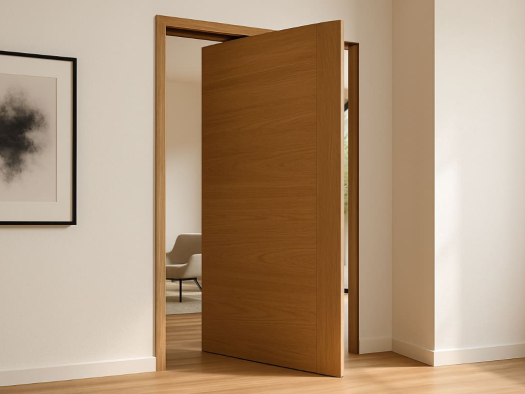
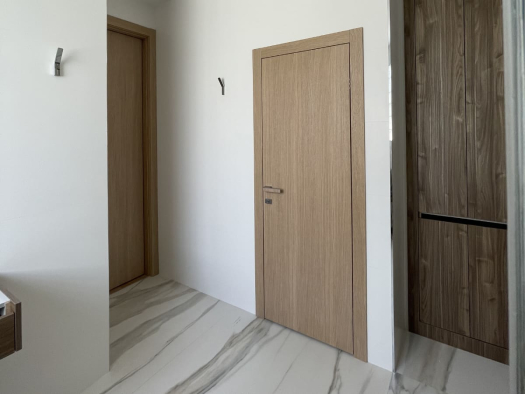
Natural wood doors communicate warmth, authenticity, and a connection to nature. Unlike painted doors, wood finishes showcase organic grain patterns that make each door unique.
Homeowners who choose natural wood often value craftsmanship, tradition, and timeless beauty. They are frequently drawn to materials that age gracefully and maintain their character over time.
Popular wood species include:
-
Oak
-
Walnut
-
Maple
-
Ash
-
Cherry
-
White oak
Each species offers distinct textures and tones that contribute to different design aesthetics.
Natural wood doors remain particularly popular in Scandinavian, organic modern, transitional, and luxury residential interiors.
Blue Doors and a Preference for Calm Spaces
Blue is widely recognized as one of the most calming colors in interior design. It is often associated with trust, stability, relaxation, and emotional balance.
Homeowners who select blue interior doors typically appreciate peaceful environments and thoughtful design choices. Blue can introduce color without overwhelming a space, making it suitable for a wide range of interiors.
Lighter shades often create a coastal or airy atmosphere, while darker navy tones provide sophistication and depth.
Popular Blue Shades for Interior Doors
Several blue tones have gained popularity in modern homes:
-
Soft sky blue
-
Dusty blue
-
Slate blue
-
Deep navy
-
Blue-gray
These shades provide different levels of visual impact while maintaining the calming qualities that make blue so appealing.
Green Doors and an Appreciation for Nature
Green has become increasingly popular as homeowners seek stronger connections to natural environments. Interior doors painted in green tones often create a sense of balance and renewal.
Psychologically, green is associated with growth, harmony, wellness, and creativity. It is frequently chosen by homeowners who value sustainability and biophilic design principles.
Sage green has emerged as one of the most requested interior colors in recent years because it combines sophistication with subtle warmth. Dark forest greens create a more dramatic and luxurious atmosphere.
Green doors pair beautifully with wood finishes, natural stone, and earthy color palettes commonly found in contemporary homes.
Navy and Deep Colors That Suggest Luxury
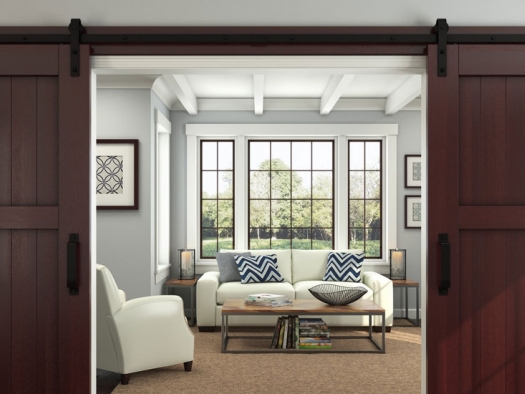
Darker door colors often communicate confidence, refinement, and exclusivity. Navy blue, deep charcoal, and rich green tones have become popular alternatives to black.
These colors create visual depth and architectural interest while maintaining a sophisticated appearance. They are frequently used in luxury homes where designers want to add character without introducing excessive brightness.
Homeowners who choose darker colors often appreciate elegance and attention to detail. These shades tend to create stronger visual impact than neutral alternatives.
When paired with quality hardware and premium materials, dark-colored doors can become one of the most distinctive features within an interior.
Rich colors often create the strongest first impressions because they communicate confidence without relying on excessive decoration.
How Color Influences Perceived Room Size
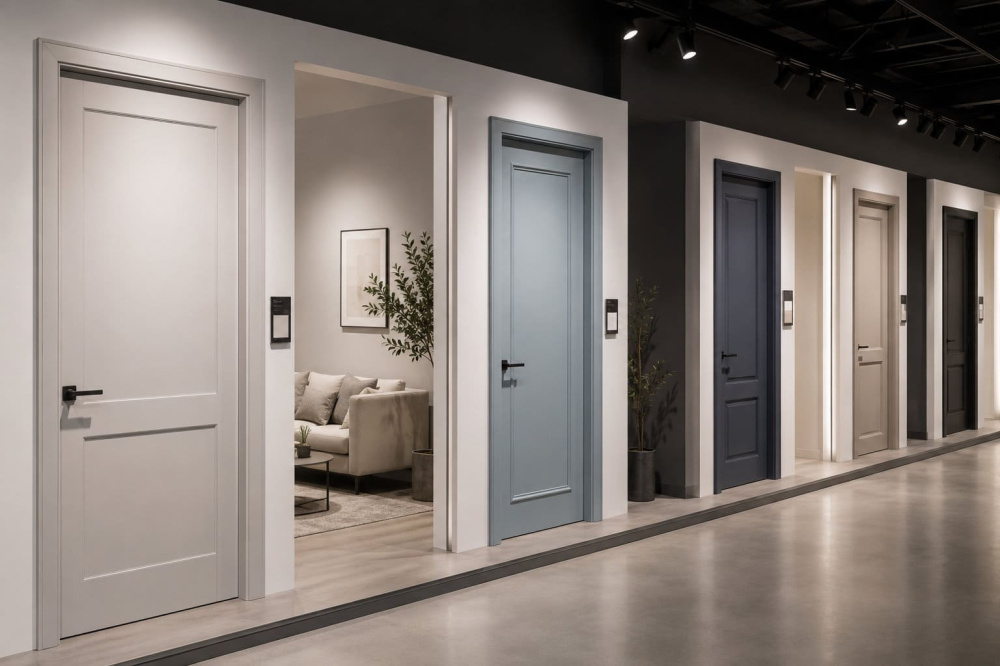
Color choices affect more than aesthetics. They also influence how people perceive the size and proportions of a room.
Lighter door colors generally make spaces feel larger, brighter, and more open. White, soft gray, and pale beige doors reflect light and help create a sense of spaciousness.
Darker colors absorb more light and can make rooms feel more intimate and defined. While this effect can be desirable in certain spaces, it should be considered carefully when working with smaller rooms.
Homeowners should evaluate both natural light availability and room dimensions before selecting a door color. The goal is to achieve a balance between visual impact and spatial comfort.
Understanding these effects helps ensure that color choices support both design and functionality.
Matching Door Colors to Interior Design Styles
Different design styles naturally lend themselves to different color palettes. Choosing a door color that complements the home's architecture helps create a more cohesive appearance.
For example:
| Design Style | Recommended Door Colors |
|---|---|
| Minimalist | White, soft gray, matte black |
| Scandinavian | White, light oak, pale gray |
| Modern Farmhouse | White, black, sage green |
| Contemporary | Black, charcoal, navy |
| Coastal | White, soft blue, sand tones |
| Transitional | White, warm gray, walnut |
While personal preference remains important, aligning door colors with architectural style often produces more harmonious results.
This approach allows homeowners to create interiors that feel intentional and professionally designed.
Common Mistakes When Choosing Interior Door Colors
One of the most common mistakes homeowners make is selecting a color based solely on current trends. While trends can provide inspiration, they should not override long-term design goals.
Another mistake is ignoring lighting conditions. A color that looks appealing in a showroom may appear dramatically different once installed in a home.
Additional errors frequently include:
-
Choosing colors that clash with flooring
-
Ignoring hardware finishes
-
Using inconsistent door colors throughout the home
-
Following trends without considering architecture
-
Overlooking future resale considerations
Avoiding these mistakes helps homeowners achieve more satisfying and durable design results.
Choosing a Door Color That Reflects Your Personality
Ultimately, interior door color should support both the design of the home and the personality of its occupants. While color psychology offers useful insights, personal preference remains the most important factor.
Some homeowners are naturally drawn to the timeless simplicity of white. Others prefer the confidence of black, the warmth of wood, or the tranquility of blue and green tones. Each choice communicates something unique about the homeowner's style and priorities.
The most successful interiors feel authentic rather than forced. Door color should contribute to that authenticity by reflecting the atmosphere homeowners want to create in their daily lives.
Whether subtle or bold, modern or traditional, the right interior door color can transform an ordinary design element into a meaningful expression of personality and style.