
- The Ongoing Role of White Interior Doors in Modern Homes
- Why White Interior Doors Became So Widely Used
- White Interior Doors and Modern Interior Design Trends
- How White Interior Doors Affect Light and Space
- White Interior Doors Compared to Trending Neutral Colors
- When White Interior Doors Work Best in Modern Homes
- Situations Where White Interior Doors May Feel Less Suitable
- White Interior Doors in Minimalist and Contemporary Interiors
- Long Term Value of Choosing White Interior Doors
- Are White Interior Doors a Trend or a Timeless Choice
- White Interior Doors and Design Philosophy at Indigo Doors
The Ongoing Role of White Interior Doors in Modern Homes
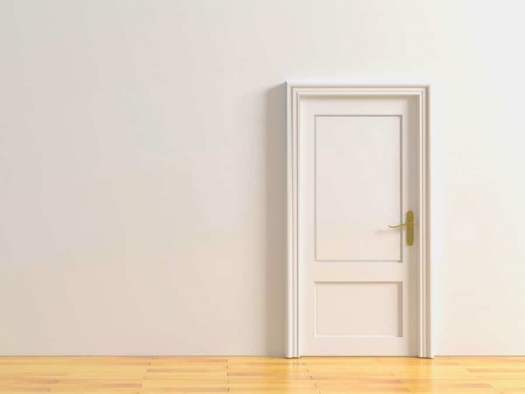
White interior doors have long been a defining element of American home design. For decades, they symbolized cleanliness, versatility, and architectural neutrality. As interior trends evolve in 2026, many homeowners ask whether white interior doors are still relevant or if they have been replaced by warmer or darker alternatives.
Despite the rise of bold colors and expressive finishes, white interior doors continue to appear in modern homes across the United States. Their popularity is not accidental. White doors provide a visual foundation that supports a wide range of interior styles, from minimalist to classic.
In contemporary interiors, white interior doors are no longer viewed as a default option chosen out of habit. Instead, they are selected intentionally for their ability to balance space, light, and design cohesion.
White doors remain popular not because they are safe, but because they are adaptable.
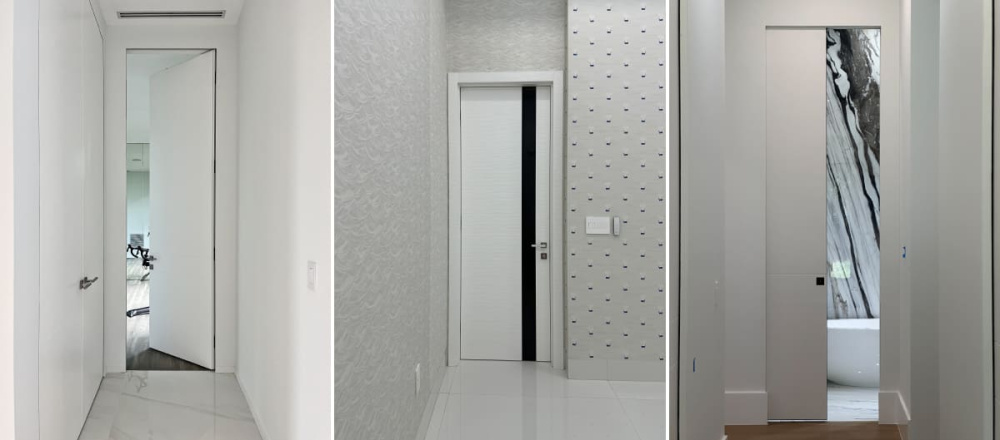
Why White Interior Doors Became So Widely Used
The widespread adoption of white interior doors is rooted in practicality and design flexibility. White finishes naturally reflect light, making interiors feel brighter and more open. This characteristic has always appealed to homeowners, especially in smaller or darker spaces.
White doors also provide a neutral backdrop that allows walls, floors, and furnishings to define the character of a room. This made them especially popular during periods when interior styles were frequently updated.
In American homes, white interior doors became a symbol of timeless design. They offered consistency across rooms while accommodating changing décor trends without requiring door replacement.
This historical popularity explains why white doors remain deeply ingrained in residential design preferences.
White Interior Doors and Modern Interior Design Trends
In 2026, modern interior design trends emphasize balance rather than extremes. While darker tones and natural finishes are gaining attention, white interior doors continue to play an important role in contemporary spaces.
Modern white doors are often paired with cleaner profiles, subtle textures, and refined proportions. This evolution keeps them aligned with current design expectations rather than outdated aesthetics.
White interior doors are particularly effective in modern homes that prioritize architectural clarity. They allow other design elements—such as lighting, materials, and spatial layout—to stand out without visual competition.
“White interior doors act as quiet supporters of modern design rather than focal points.”
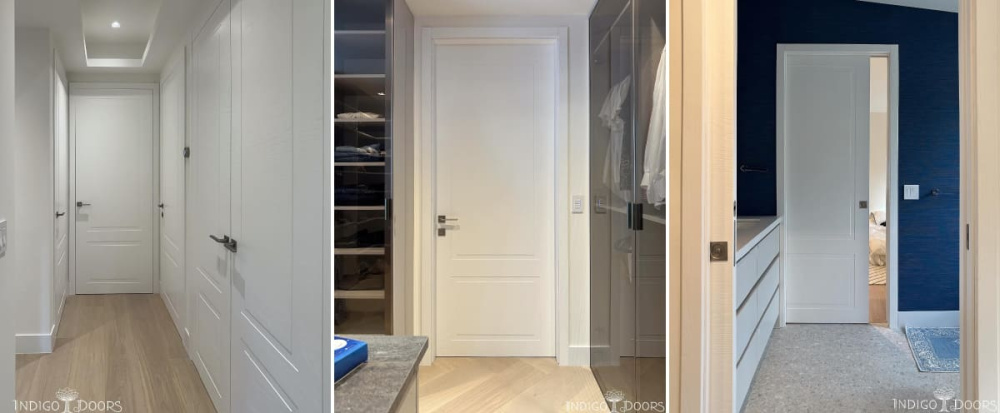
How White Interior Doors Affect Light and Space
One of the strongest advantages of white interior doors is their interaction with light. White surfaces reflect natural and artificial light evenly, enhancing brightness throughout a home.
In 2026, homeowners are increasingly conscious of how interiors feel throughout the day. White doors help maintain a consistent sense of openness as lighting conditions change.
Compared to darker doors, white interior doors reduce visual weight. This makes spaces feel larger and more connected, especially in open-plan or semi-open layouts.
Light-responsive design is one of the reasons white doors remain relevant.
White Interior Doors Compared to Trending Neutral Colors
While beige, gray, and natural wood tones are gaining popularity, white interior doors maintain a distinct position among neutral options. Each choice creates a different emotional and visual effect.
White doors emphasize clarity and contrast. Beige doors introduce warmth and softness. Gray doors add modern restraint but may feel cooler. The decision between these options depends on the desired atmosphere rather than trend pressure.
In many modern American homes, white interior doors are still chosen because they provide the cleanest visual transition between rooms. They remain especially effective in interiors with varied materials and color palettes.
Choosing white is less about following tradition and more about maintaining visual balance.
When White Interior Doors Work Best in Modern Homes
White interior doors are most effective in interiors where cohesion and brightness are priorities. They work particularly well in homes with open layouts, high ceilings, or abundant natural light.
Rooms that benefit from white doors often include:
- Living rooms with open sightlines
- Hallways and transitional spaces
- Smaller rooms needing visual expansion
- Homes with mixed materials and textures
In these environments, white doors support architectural flow without introducing unnecessary contrast.
Situations Where White Interior Doors May Feel Less Suitable
Although white interior doors remain popular, they are not always the best choice. In interiors that emphasize warmth, depth, or dramatic contrast, white doors may feel too stark.
Homes with darker wall colors, rich wood finishes, or strong design themes may benefit more from beige, black, or natural-toned doors. In such cases, white doors can appear disconnected from the overall design narrative.
In 2026, homeowners are more selective. Rather than defaulting to white, they consider whether it truly supports the interior’s character.
Good design is about alignment, not popularity.
White Interior Doors in Minimalist and Contemporary Interiors
Minimalist interiors continue to favor white interior doors due to their simplicity and restraint. White doors align naturally with minimalism’s emphasis on clean lines and reduced visual noise.
In contemporary interiors, white doors are often used to create contrast against textured walls, statement lighting, or architectural features. This controlled use enhances their relevance rather than diminishing it.
White interior doors in 2026 are often paired with modern profiles and refined finishes, reinforcing their place in current design language.
Long Term Value of Choosing White Interior Doors
From a long-term perspective, white interior doors remain one of the most adaptable choices. As interior styles evolve, white doors can support new palettes, furnishings, and materials without appearing outdated.
This adaptability contributes to long-term design value. Homeowners seeking solutions that will remain visually appropriate over time often continue to choose white interior doors.
In the American housing market, neutral and balanced interiors are consistently viewed as appealing, reinforcing the enduring relevance of white doors.
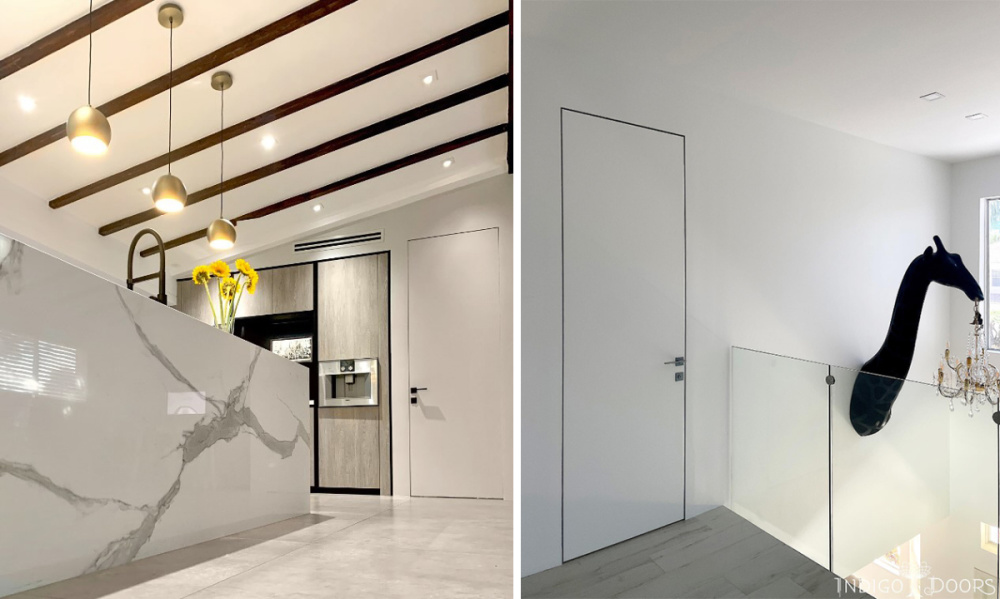
Are White Interior Doors a Trend or a Timeless Choice
White interior doors have moved beyond trend status. In 2026, they are best understood as a foundational design element rather than a fashionable statement.
Their continued popularity is driven by versatility, light interaction, and architectural compatibility rather than short-term trends. While alternatives are gaining attention, white doors remain a reliable option when used intentionally.
“Timeless design is defined by adaptability, not repetition.”
White Interior Doors and Design Philosophy at Indigo Doors
At Indigo Doors, white interior doors are approached as part of a broader architectural vision. The focus is on proportion, surface quality, and how doors integrate into modern American interiors.
Based in Florida and serving homeowners across the United States, Indigo Doors offers modern, classic, royal, and frameless interior door styles that include refined white finishes designed for long-term relevance.
In 2026, white interior doors remain popular because they continue to support modern living. When selected thoughtfully, they enhance space, light, and design cohesion—proving that white is not outdated, but enduring.