
- What it means to install an interior door without a frame
- When a frameless interior door makes sense
- Tools and materials required
- Measuring the opening correctly
- Preparing the wall opening
- Choosing the right concealed hinge system
- Step-by-step installation process
- Common installation challenges
- Comparing frameless and traditional door installations
- Interesting facts about frameless interior doors
- Finishing and final adjustments
- Maintenance tips for frameless interior doors
What it means to install an interior door without a frame
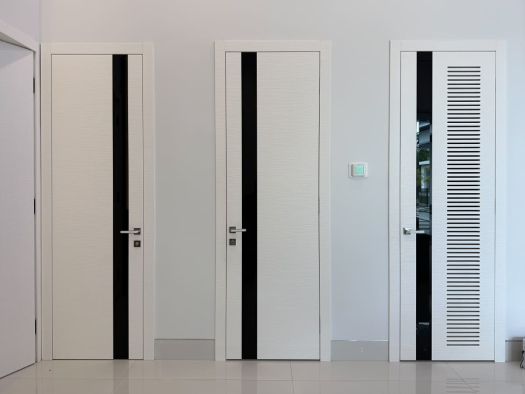
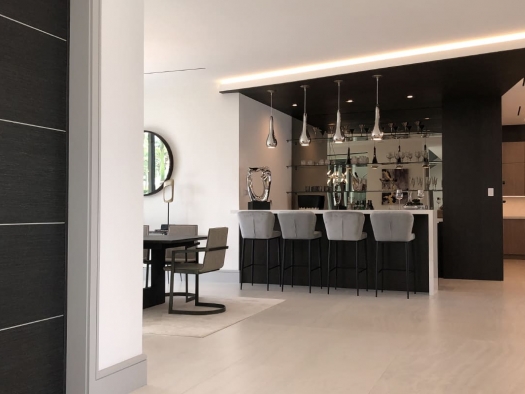
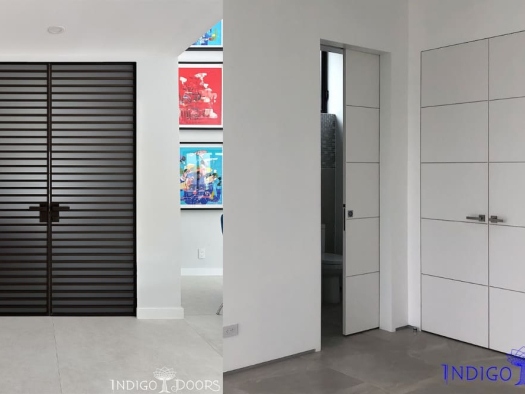
Installing an interior door without a traditional frame is becoming increasingly popular in modern residential design. This approach is often used in minimalist interiors where homeowners want clean lines, seamless transitions, and a more contemporary appearance. Instead of using a standard prehung door unit with visible jambs and trim, the door is attached directly to a prepared opening or a concealed frame system integrated into the wall.
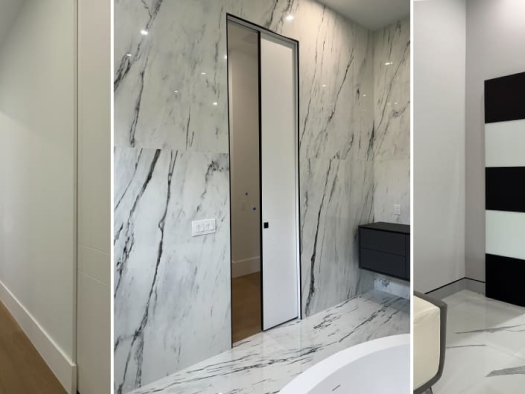
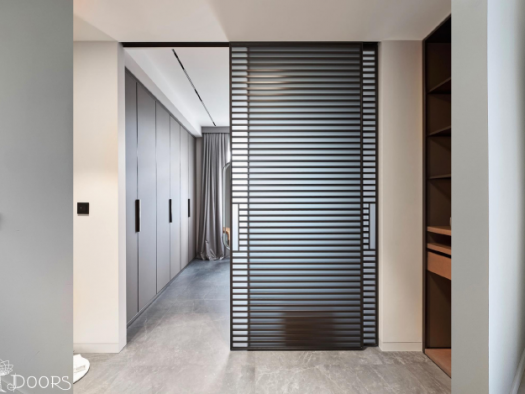
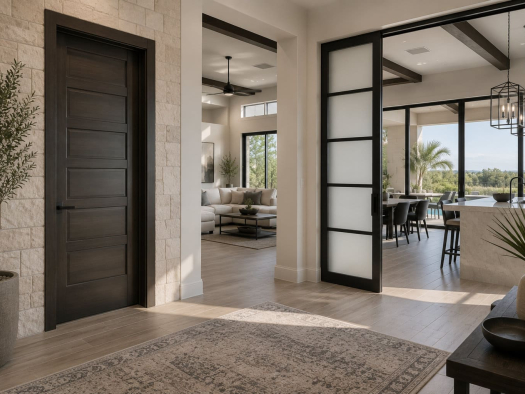
Frame-free door installations are commonly found in luxury homes, modern apartments, office spaces, and architectural projects that emphasize simplicity. The finished result creates a sleek appearance that allows the door to blend naturally into the surrounding wall.
Although the process can be more complex than installing a traditional prehung door, careful planning and precise measurements make it possible to achieve professional results.
When a frameless interior door makes sense
Not every project is suitable for a frame-free installation. Before beginning, homeowners should evaluate the wall construction, door weight, hardware requirements, and overall design goals.
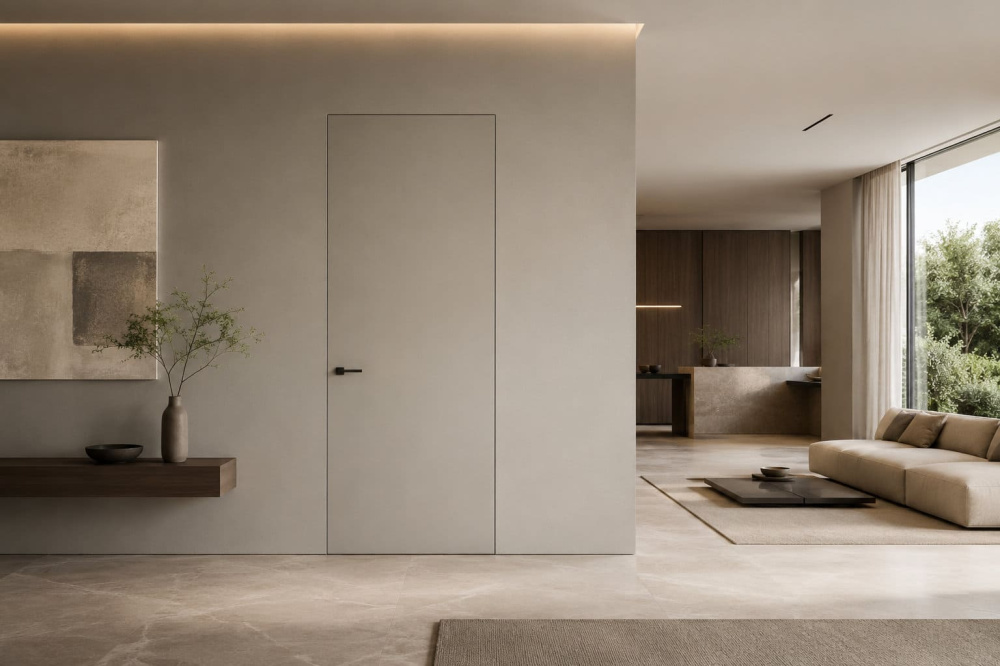
Frameless doors work particularly well in contemporary interiors where architectural simplicity is a priority. They are also useful when homeowners want to reduce visual clutter or create hidden-door effects.
Because these installations rely heavily on wall accuracy and hardware quality, they require greater attention to detail than conventional door systems.
"The success of a frameless door installation depends more on preparation and precision than on the installation itself."
Careful planning at the beginning often prevents costly adjustments later.
Tools and materials required
Having the correct tools and materials available before starting the project helps ensure a smoother installation process. The exact requirements may vary depending on the door type and hardware system being used.
- Level For alignment verification;
- Tape Measure for accurate dimensions;
- Drill And driver set;
- Concealed Hinge system;
- Interior Door slab;
- Wood Shims for adjustments;
- Screws Recommended by the manufacturer;
- Pencil For layout marking;
- Laser Level for improved precision;
Using premium hardware is especially important because frameless doors depend heavily on hinge performance and structural stability.
Measuring the opening correctly
Accurate measurements are critical when installing an interior door without a frame. Even small inaccuracies can affect operation, alignment, and visual appearance.
The rough opening should be measured at multiple points to identify any variations in width, height, or wall plumbness. Walls that appear straight may still contain subtle irregularities that become visible once the door is installed.
Most frameless systems require tighter tolerances than traditional framed doors. Following the manufacturer's specifications is essential to ensure proper fit and operation.
Taking additional time during the measurement stage often reduces installation challenges later in the project.
Preparing the wall opening
Before hardware installation begins, the opening must be properly prepared. The wall should be square, level, and structurally sound. Any defects should be corrected before proceeding.
Drywall edges must be clean and secure, particularly when using concealed frame systems that integrate directly into the wall surface. Imperfections can affect the final appearance and may interfere with proper door alignment.
Many installers use a laser level to verify vertical and horizontal alignment throughout the opening. This step helps identify issues before hardware is attached.
A properly prepared opening creates the foundation for a successful installation.
Choosing the right concealed hinge system
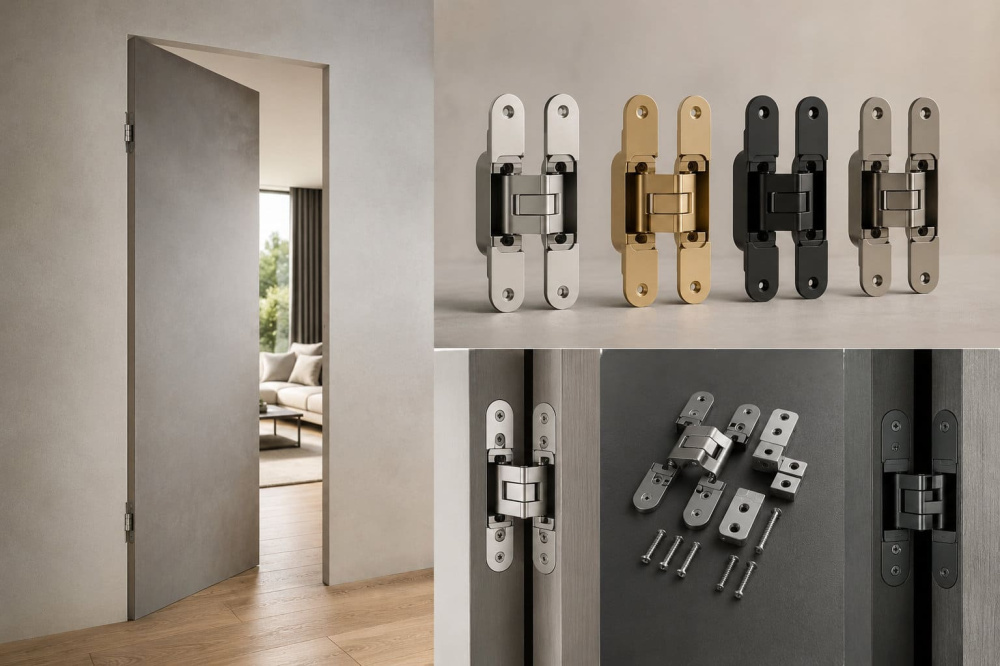
Concealed hinges are among the most important components in a frameless door installation. These hinges remain hidden when the door is closed, contributing to the clean appearance that homeowners typically seek.
Different hinge systems support different door weights and sizes. Selecting hardware rated for the specific door being installed helps ensure long-term reliability and smooth operation.
Premium concealed hinges often allow adjustment in multiple directions after installation. This flexibility makes it easier to achieve precise alignment.
Investing in quality hardware can significantly improve both performance and durability.
Step-by-step installation process
The exact installation method varies depending on the hardware system being used, but most frameless door projects follow a similar sequence.
- Verify Opening dimensions and wall alignment;
- Mark Hinge locations according to manufacturer specifications;
- Install Concealed hinges and mounting hardware;
- Position The door within the opening;
- Secure Hardware while maintaining alignment;
- Check Clearances around all edges;
- Adjust Hinges as necessary;
- Test Door operation repeatedly;
Each step should be completed carefully because small alignment errors can affect the final result.
Common installation challenges
Frameless door installations often present challenges that are less common with traditional door systems. Uneven walls, inaccurate measurements, and improper hinge positioning are among the most frequent issues.
Door sagging can occur if hinges are not installed correctly or if hardware capacity is insufficient for the door's weight. Misalignment may also create uneven gaps around the perimeter.
In some cases, minor wall imperfections become more noticeable because the installation lacks traditional trim that would normally conceal small irregularities.
Addressing these issues early helps prevent operational problems after installation is complete.
Comparing frameless and traditional door installations
| Feature | Frameless door | Traditional framed door |
|---|---|---|
| Visual appearance | Minimalist | Traditional |
| Installation complexity | High | Moderate |
| Hardware visibility | Minimal | Visible |
| Wall preparation | Critical | Moderate |
| Modern design appeal | Excellent | Moderate |
Interesting facts about frameless interior doors
Many high-end architectural projects use frameless doors that are finished with the same material as adjacent walls, making the doors nearly invisible when closed.
Some concealed hinge systems allow three-dimensional adjustment after installation, helping installers achieve extremely precise alignment.
Modern frameless doors are frequently combined with magnetic latches that eliminate the need for traditional visible strike plates.
Architects often use frameless doors to emphasize ceiling height and create uninterrupted wall surfaces throughout contemporary interiors.
Finishing and final adjustments
After the door is installed, final adjustments help ensure smooth operation and consistent spacing. Hinges should be adjusted until the gaps around the door are even and the door opens and closes effortlessly.
Magnetic latches, handles, and locking hardware should be tested multiple times to verify proper function. Any rubbing or resistance should be corrected immediately.
Finishes can then be applied according to the design requirements. Many homeowners choose paint colors that match surrounding walls for a seamless appearance, while others prefer contrasting finishes that highlight the door as a design feature.
The final adjustment stage often has the greatest influence on the overall quality of the completed installation.
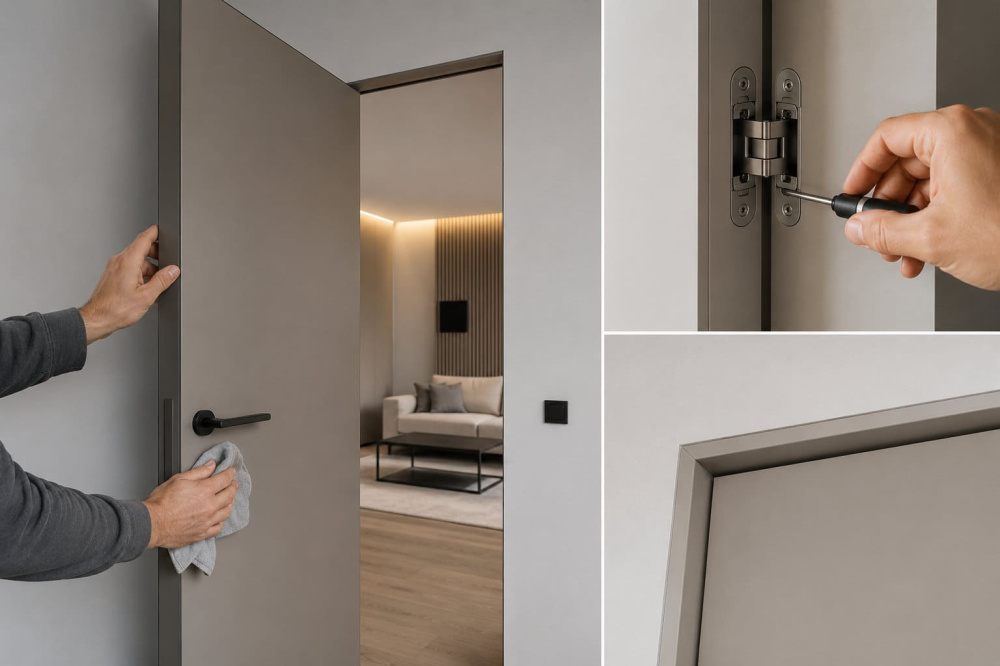
Maintenance tips for frameless interior doors
Proper maintenance helps preserve the appearance and performance of frameless doors over time. Regular inspections allow homeowners to identify minor issues before they become significant problems.
Concealed hinges should be checked periodically for signs of wear or loosening. Hardware adjustments may occasionally be necessary as building materials naturally settle over time.
Door surfaces should be cleaned according to the manufacturer's recommendations to prevent finish damage. Avoid using abrasive cleaning products that could affect painted, veneered, or laminated surfaces.
"A well-installed frameless door should feel effortless to operate and almost disappear into the architecture around it."
With proper installation and maintenance, a frameless interior door can provide years of reliable performance while enhancing the modern appearance of the space.