
- Why This Design Question Matters More Than Ever
- Understanding the Concept of Matching Interior Doors to Walls
- Why Some Homeowners Prefer Doors That Stand Out
- Visual Impact Matching vs Contrast in Interior Door Styles
- How Door Color Choices Affect Space Perception
- Matching Interior Doors in Modern and Minimalist Homes
- Using Standout Interior Doors as Design Accents
- Matching or Contrasting Doors by Room Type
- Long Term Design Considerations and Flexibility
- Finding the Right Balance Between Matching and Standing Out
- Interior Door Design Philosophy at Indigo Doors
Why This Design Question Matters More Than Ever
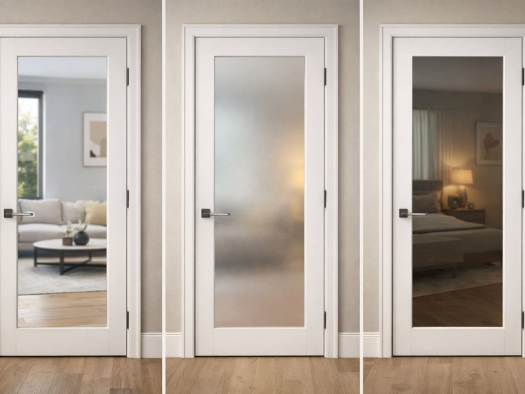
Should interior doors match walls or stand out? This question has become increasingly relevant as modern home design moves away from rigid rules and toward intentional, experience-driven choices. In 2026, interior doors are no longer passive elements. They actively influence how spaces feel, connect, and flow.
American homeowners now view interior door styles as part of the overall design strategy rather than isolated components. The decision to blend doors into walls or highlight them as accents affects visual balance, spatial perception, and emotional response.
There is no universal right answer. Instead, the correct approach depends on architecture, room function, and the desired atmosphere. Understanding both options allows homeowners to make informed, design-led decisions.
Good interior design starts with asking the right questions, not following formulas.
Understanding the Concept of Matching Interior Doors to Walls
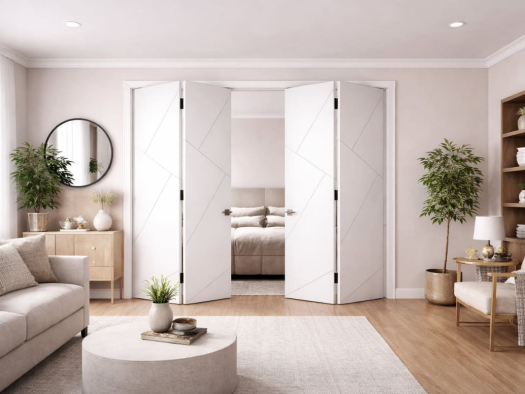
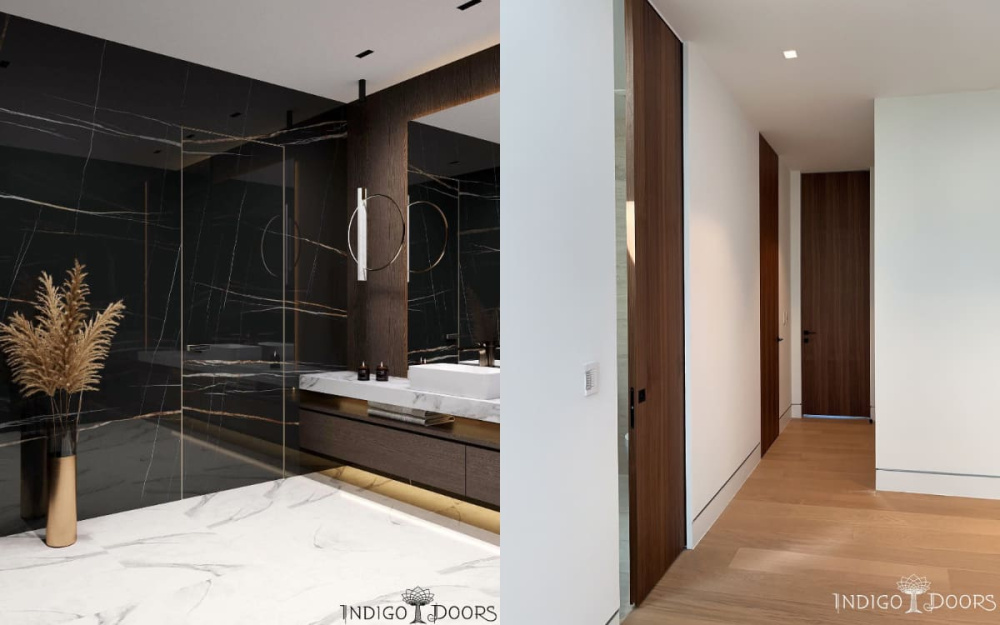
When interior doors match walls, they visually blend into the surrounding surface. This approach emphasizes continuity and reduces visual interruption, making spaces feel calmer and more expansive.
Matching doors to walls is especially popular in modern and minimalist interiors. By using the same color or finish, doors become part of the architectural background rather than standalone features.
In American homes with open layouts, this strategy helps maintain clean sightlines and visual harmony. Doors quietly perform their function without competing with other design elements.
Matching does not mean invisible by default, but it does prioritize integration over expression.
Why Some Homeowners Prefer Doors That Stand Out
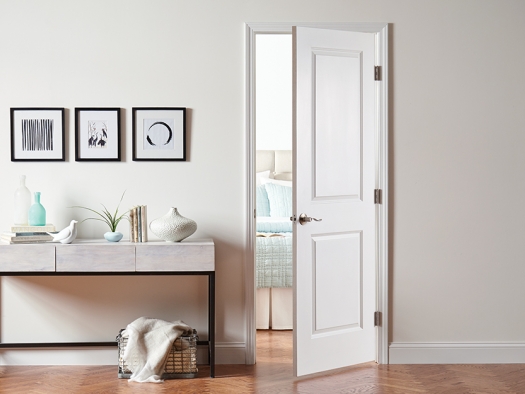
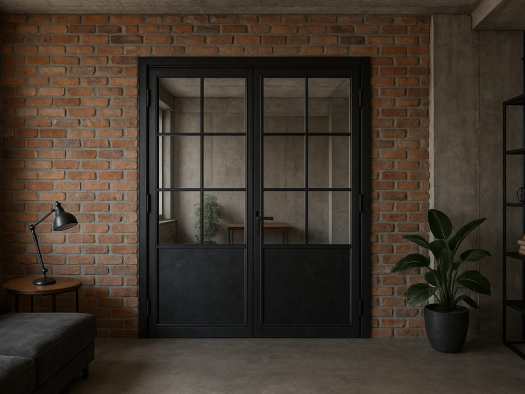
In contrast, doors that stand out are intentionally designed to be noticed. These doors introduce contrast through color, material, or detailing, turning them into visual features within a room.
Standing-out doors often add character and personality. They can anchor a space, create focal points, or reinforce a specific interior style such as classic, industrial, or eclectic design.
In modern homes, standout doors are often used selectively. Rather than applying contrast everywhere, designers highlight specific rooms or transitions.
“A door that stands out becomes part of the story a room tells.”
This approach values expression and individuality over restraint.
Visual Impact Matching vs Contrast in Interior Door Styles
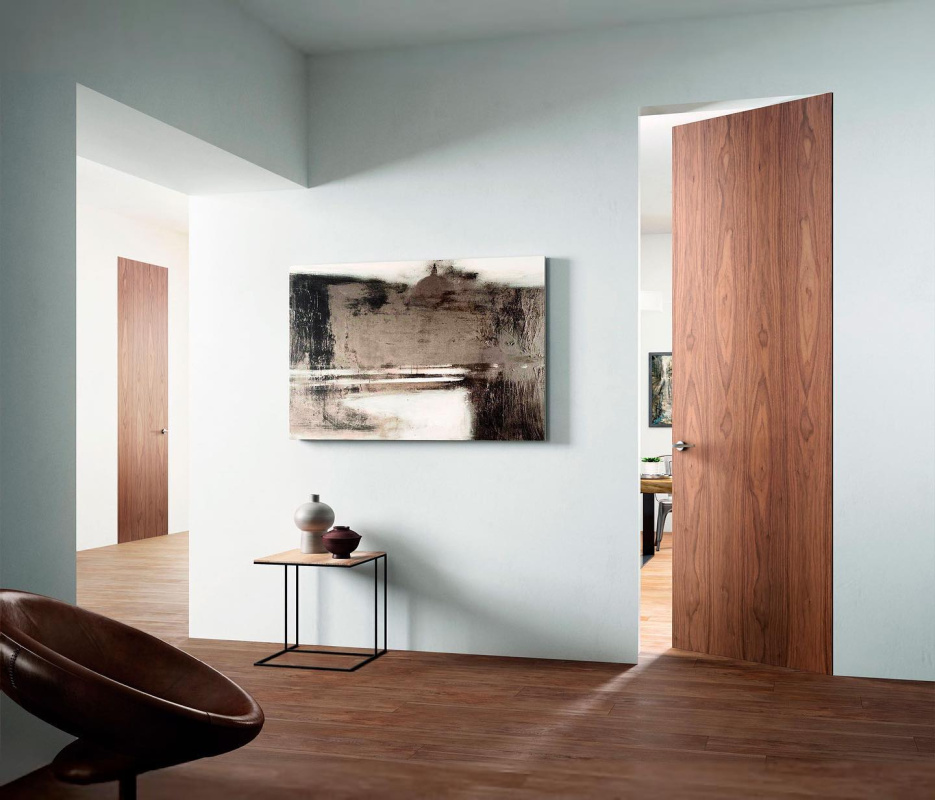
The visual difference between matching and contrasting interior door styles is significant. Matching doors reduce visual noise, while contrasting doors introduce rhythm and emphasis.
In minimalist interiors, matching doors often feel more natural. They support simplicity and allow architectural elements like lighting and materials to define the space.
Contrasting doors, on the other hand, create visual punctuation. They can break monotony and add depth, especially in interiors with neutral palettes.
The key is balance. Too much contrast can overwhelm a space, while too much matching can feel flat if not supported by texture or proportion.
How Door Color Choices Affect Space Perception
Interior door color directly affects how large or small a space feels. Doors that match walls tend to visually disappear, making rooms feel more open and continuous.
Contrasting doors emphasize boundaries. This can be beneficial in large homes where defining zones improves orientation and comfort.
In smaller spaces, matching doors often help reduce cluttered visuals. In larger interiors, contrast can add structure without crowding the space.
Key spatial effects include:
- Matching doors enhance openness
- Contrasting doors define zones
- Light tones expand perception
- Dark tones add depth and focus
Understanding these effects helps align door choices with spatial goals.
Matching Interior Doors in Modern and Minimalist Homes
Modern and minimalist homes frequently favor interior doors that match walls. This approach aligns with design principles focused on clarity, order, and reduced visual distraction.
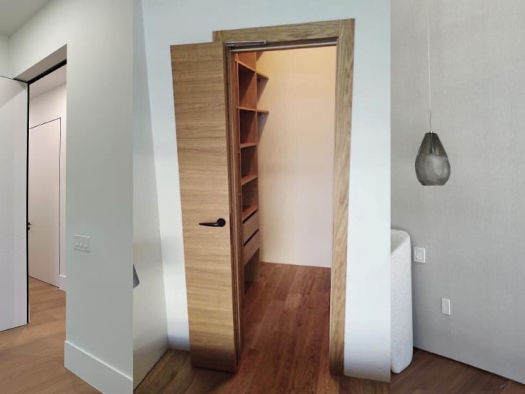
Frameless and flush door styles often support this strategy particularly well. When finished to match walls, these doors reinforce architectural calm and continuity.
In 2026, matching doors are increasingly used in hallways, living areas, and open-plan spaces. They allow interiors to feel intentional and refined without unnecessary emphasis.
When doors match walls, architecture takes the lead.
Using Standout Interior Doors as Design Accents
Standout interior doors are often used as accents rather than defaults. In modern interiors, they highlight specific rooms such as home offices, dining areas, or feature spaces.
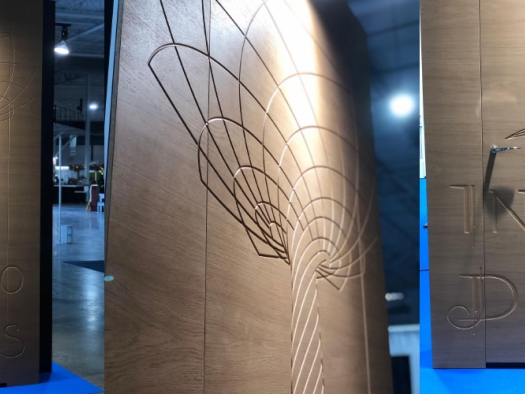
These doors may use darker colors, natural wood finishes, or distinctive panel designs to draw attention. When used thoughtfully, they enrich the design rather than distract from it.
Accent doors work best when the rest of the interior remains restrained. This contrast ensures that standout doors feel purposeful instead of overpowering.
Common uses for standout doors include:
- Creating focal points
- Defining key transitions
- Adding warmth or contrast
- Reinforcing interior style
Matching or Contrasting Doors by Room Type
Different rooms often benefit from different door strategies. Public areas typically favor matching doors to maintain openness, while private rooms may benefit from contrast.
Living rooms and hallways often feel more cohesive with matching doors. Bedrooms and offices may feel more defined with slightly contrasting styles that signal privacy.
Bathrooms and utility spaces usually prioritize discretion, making subtle matching finishes more appropriate.
Room-by-room thinking prevents overuse of either strategy and supports functional design.
Long Term Design Considerations and Flexibility
One important factor in deciding whether interior doors should match walls or stand out is long-term flexibility. Matching doors tend to adapt more easily to future design changes.
Contrasting doors may require more careful planning to ensure they remain relevant as wall colors and furnishings evolve.
In American homes, homeowners increasingly favor choices that remain visually appropriate over time. Matching doors often meet this requirement more consistently, though well-chosen accent doors can also age gracefully.
Longevity in design comes from adaptability, not extremes.
Finding the Right Balance Between Matching and Standing Out
The most successful interiors often combine both approaches. Rather than choosing one rule for the entire home, designers create hierarchy and variation.
A common strategy is to match most doors to walls while allowing one or two standout doors to add interest. This creates rhythm without visual overload.
Balance is achieved through consistency in proportions, finishes, and overall design language rather than strict uniformity.
This flexible approach reflects modern design thinking in 2026.
Interior Door Design Philosophy at Indigo Doors
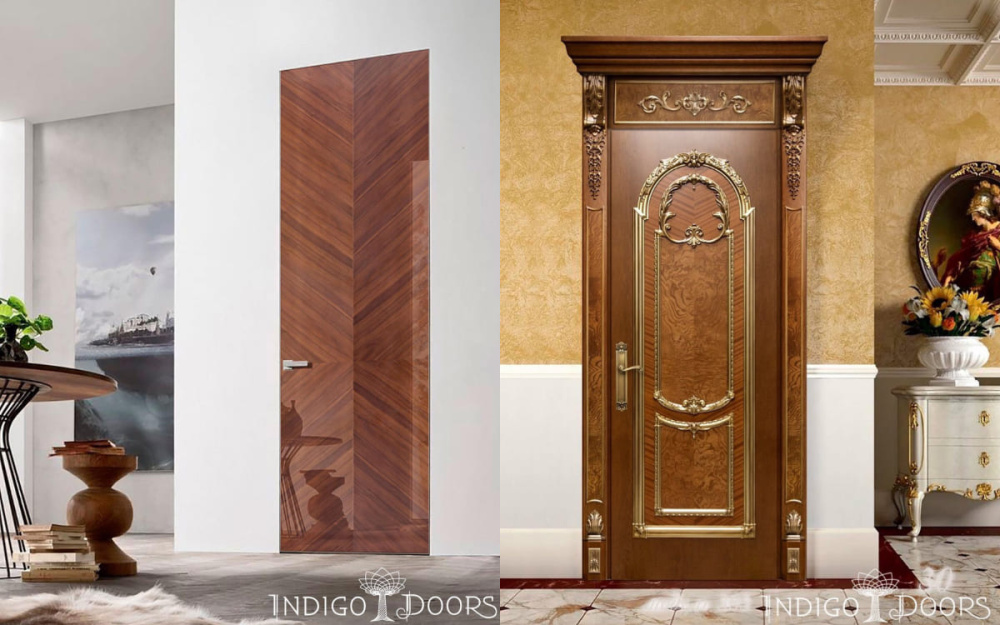
At Indigo Doors, interior door styles are developed to support both integration and expression. Modern, classic, royal, and frameless collections allow homeowners to choose whether doors blend seamlessly or stand out intentionally.
Based in Florida and serving homes across the United States, Indigo Doors focuses on architectural balance, refined aesthetics, and long-term relevance.
Whether interior doors match walls or stand out depends on how a home is designed and experienced. When chosen thoughtfully, doors enhance spatial flow, reinforce design intent, and elevate everyday living.