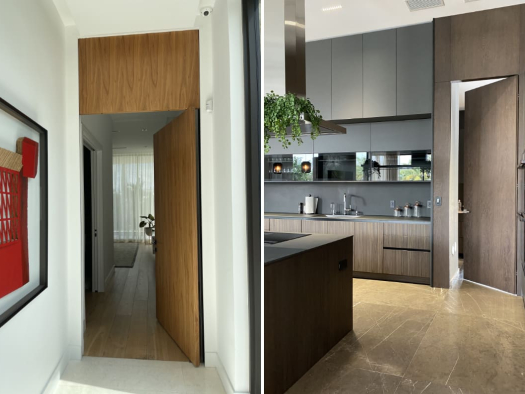

- Why Modern Homes Compare Frameless and Flush Interior Doors
- Defining Frameless Interior Doors in Contemporary Architecture
- Understanding Flush Doors as a Modern Interior Door Style
- Visual Differences Between Frameless and Flush Interior Doors
- How Frameless and Flush Doors Affect Space and Flow
- Frameless vs Flush Doors in Minimalist Interiors
- Long Term Design Relevance and Adaptability
- Combining Frameless and Flush Doors in One Home
- Choosing the Right Option for Modern American Homes
- Frameless and Flush Interior Doors at Indigo Doors
Why Modern Homes Compare Frameless and Flush Interior Doors
Modern interior design places strong emphasis on clarity, openness, and architectural consistency. As American homes continue to evolve toward cleaner layouts and refined aesthetics, interior door styles are no longer secondary elements. They actively shape how a space looks and feels.
Frameless interior doors and flush doors are often compared because both represent modern design thinking. They reject excessive ornamentation and focus on simplicity, proportion, and surface quality. Despite these similarities, their role within an interior is fundamentally different.
Homeowners in 2026 increasingly compare these two options to determine which better supports their lifestyle, architectural vision, and long-term design goals. Understanding the distinction is essential for making a confident, future-proof choice.
Modern interiors are defined not by what is added, but by what is intentionally refined.
Defining Frameless Interior Doors in Contemporary Architecture
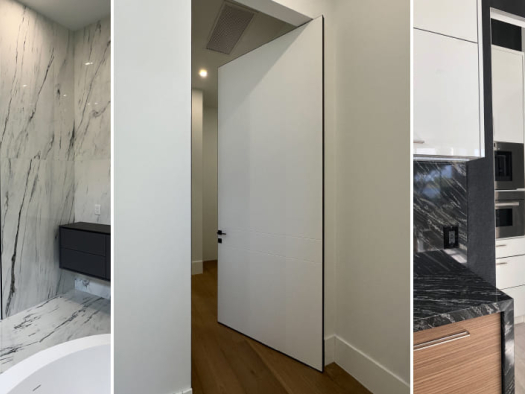
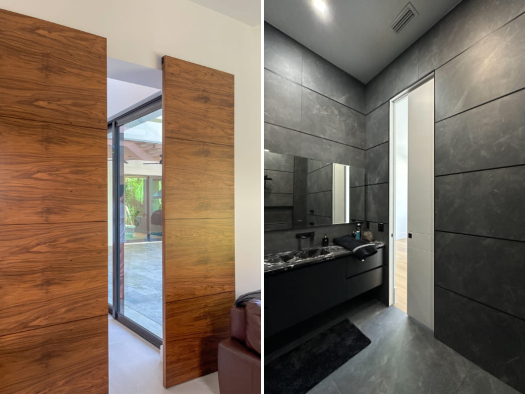
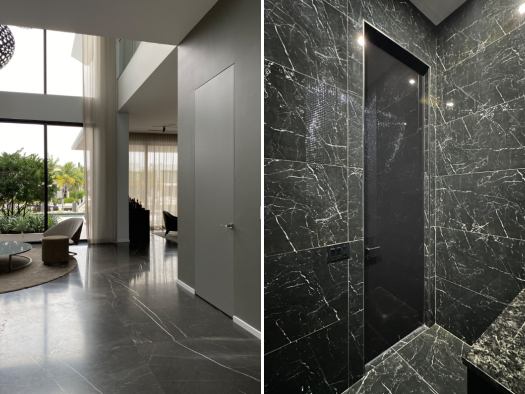
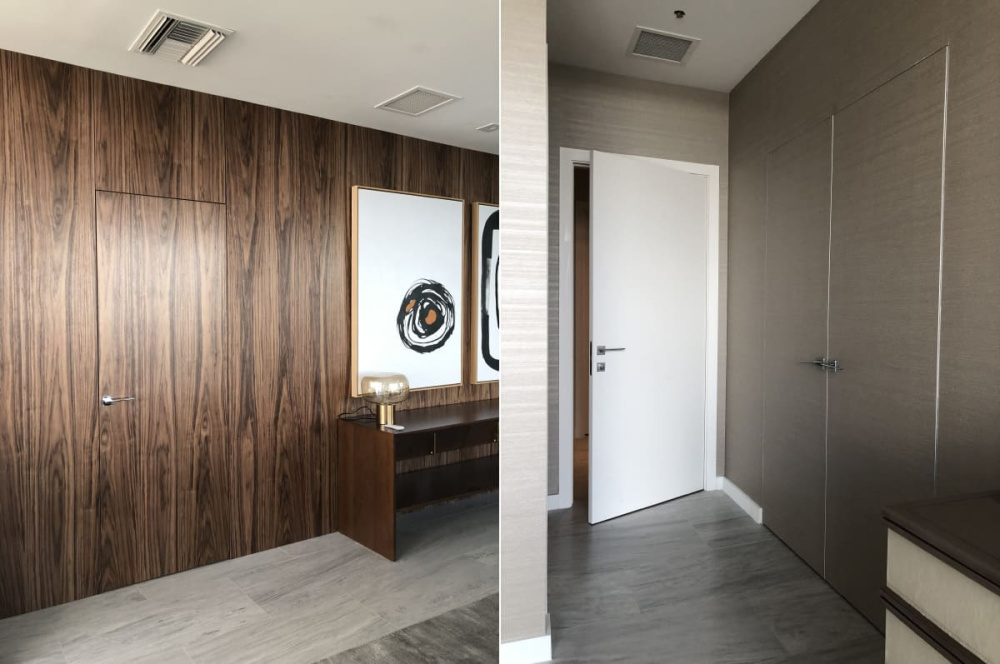
Frameless interior doors, often described as invisible doors, are designed to integrate fully into the wall surface. They eliminate visible frames, trims, and transitions, allowing doors to visually disappear when closed.
In contemporary American homes, frameless doors are valued for their architectural purity. They support uninterrupted wall planes and emphasize spatial flow rather than individual elements. This makes them particularly popular in minimalist and luxury interiors.
Frameless interior doors rely on precision and alignment rather than decorative detail. Their design philosophy is rooted in architecture, not furniture-like aesthetics. As a result, they often become part of the structure rather than an applied feature.
In 2026, frameless interior doors are widely recognized as a hallmark of high-end modern design.
Understanding Flush Doors as a Modern Interior Door Style
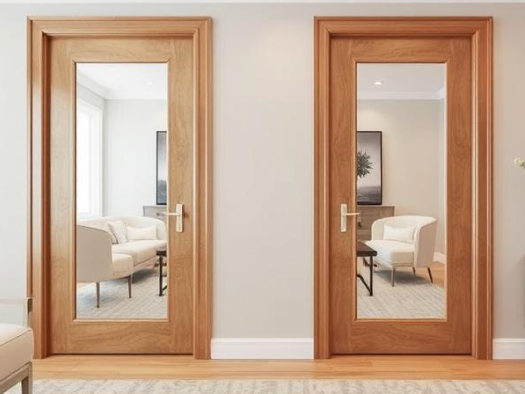
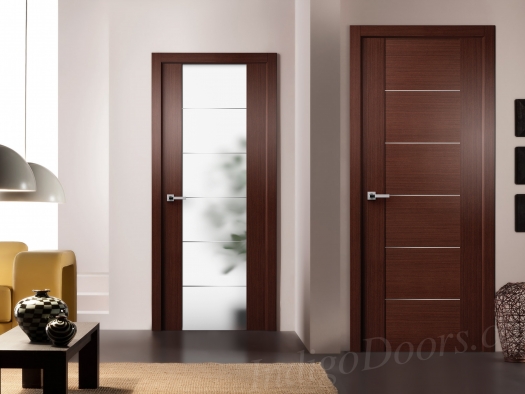
Flush doors are defined by their flat, smooth surface without raised or recessed panels. Unlike frameless doors, flush doors still feature a visible frame and clear separation from the wall, but their design remains intentionally minimal.
Flush doors are extremely popular in modern American homes because they balance simplicity with familiarity. They feel contemporary without appearing overly radical or architectural.
In many interiors, flush doors act as a neutral design element. They neither dominate the space nor disappear completely, making them versatile across different rooms and layouts.
Flush doors are often chosen for their ability to support modern design while maintaining a sense of structure and definition.
Visual Differences Between Frameless and Flush Interior Doors
The most immediate difference between frameless and flush interior doors lies in how they are perceived visually. Frameless doors aim for invisibility, while flush doors remain subtly present.
Frameless doors create a seamless surface that blends into the wall, reducing visual interruption. Flush doors, although minimal, clearly read as doors due to their frame and outline.
In modern interiors, this distinction affects how clean and continuous a space feels. Frameless doors emphasize architectural calm, while flush doors introduce gentle rhythm through repetition.
“The difference is not about simplicity, but about visibility.”
Choosing between these styles depends on whether the goal is complete integration or controlled distinction.
How Frameless and Flush Doors Affect Space and Flow
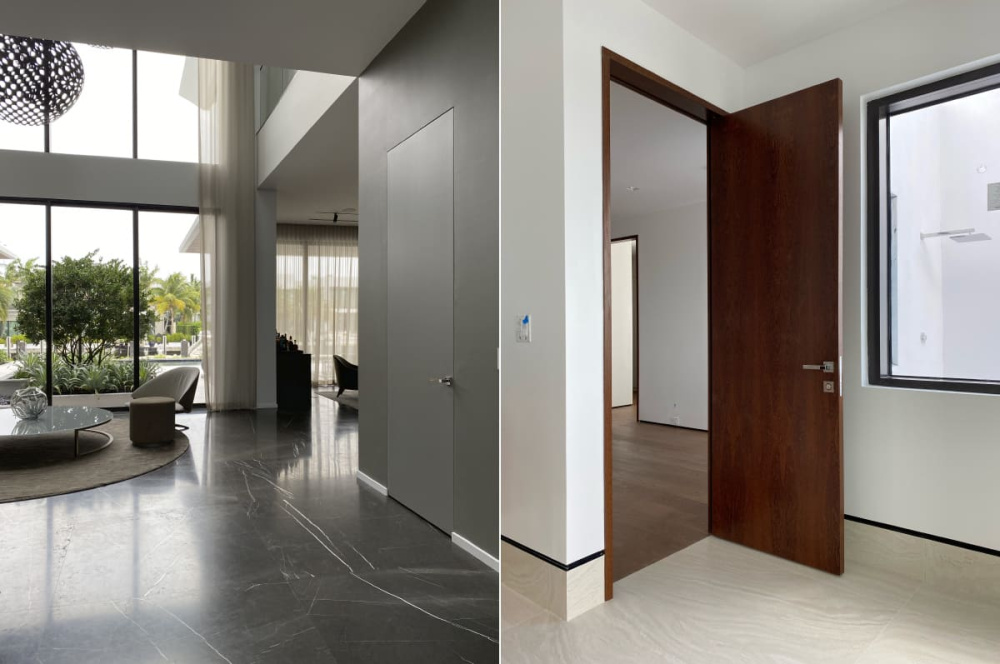
Interior door styles play a significant role in how spaces connect and how movement is experienced within a home. Frameless interior doors enhance flow by minimizing visual breaks between rooms.
Flush doors maintain continuity while still signaling transitions. Their presence reinforces room boundaries without adding decorative complexity.
In open-plan homes, frameless doors often feel more natural because they preserve uninterrupted sightlines. Flush doors work well where subtle separation is desired without breaking the overall design language.
Key spatial effects include:
- Frameless doors enhance openness and continuity
- Flush doors preserve structure and clarity
- Frameless designs reduce visual noise
- Flush doors offer balanced separation
Frameless vs Flush Doors in Minimalist Interiors
Minimalist interiors prioritize restraint, order, and intentional design. Frameless interior doors align perfectly with this philosophy by removing unnecessary visual elements.
Flush doors also support minimalism but in a softer way. They simplify design without fully eliminating traditional cues, making them appealing to homeowners transitioning from classic to modern styles.
In 2026, many minimalist homes choose frameless doors in public areas and flush doors in private spaces. This approach preserves visual purity while maintaining familiarity where comfort matters most.
Minimalism is not about emptiness, but about clarity.
Long Term Design Relevance and Adaptability
When comparing frameless interior doors vs flush doors, long-term relevance is a critical factor. Frameless doors are often considered more future-oriented because they adapt easily to changing interior trends.
Flush doors are also highly adaptable, especially when finished in neutral tones. Their familiarity makes them resilient to shifting design preferences.
American homeowners increasingly seek interior door styles that will remain visually appropriate for years. Frameless doors offer architectural longevity, while flush doors offer stylistic flexibility.
Both options can be timeless when chosen with intention rather than trend-following.
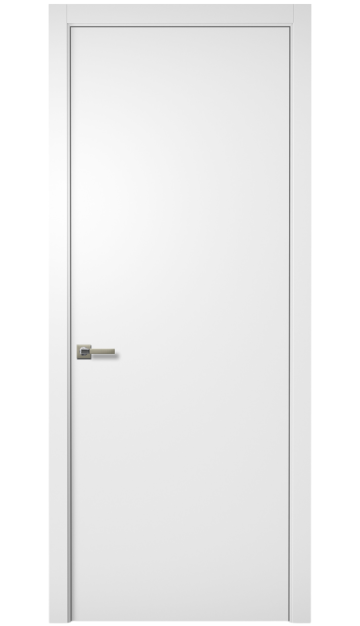
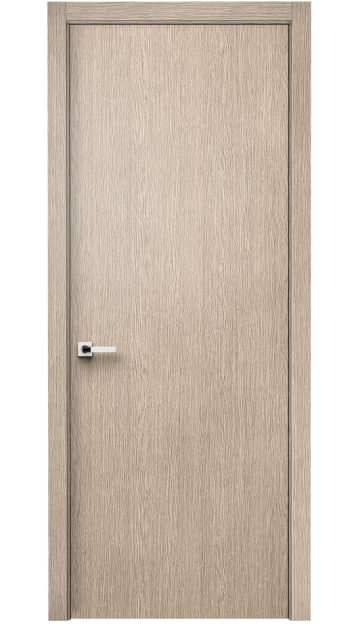
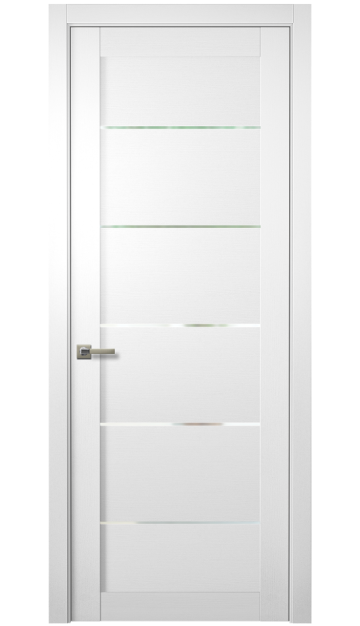

Combining Frameless and Flush Doors in One Home
Modern design does not require strict uniformity. Many contemporary homes successfully combine frameless and flush interior doors to support different functions and moods.
Frameless doors are often used in shared living areas to maintain openness. Flush doors may appear in bedrooms, offices, or secondary spaces to provide clarity and comfort.
Effective combinations typically focus on:
- Consistent color palettes
- Matching surface finishes
- Unified proportions
- Clear functional logic
This layered approach allows homeowners to enjoy the benefits of both styles without visual conflict.
Choosing the Right Option for Modern American Homes
Choosing between frameless interior doors and flush doors depends on how a modern home is designed and experienced. Frameless doors emphasize architecture and continuity, while flush doors balance modern simplicity with familiar structure.
Homeowners should consider:
- Architectural style of the home
- Desired level of visual integration
- Room function and privacy needs
- Long-term design flexibility
Rather than asking which option is universally better, the real question is which style supports the intended living experience.
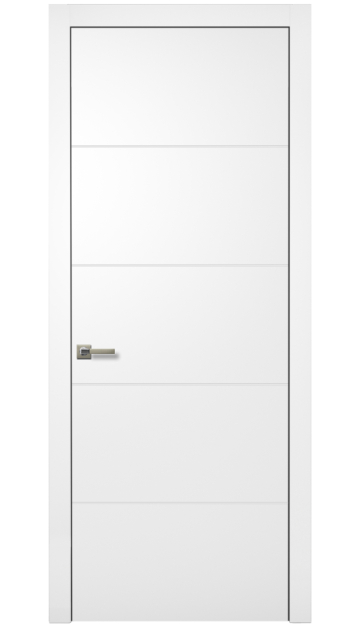

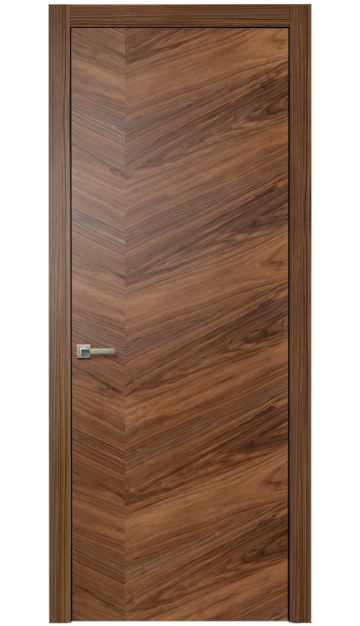
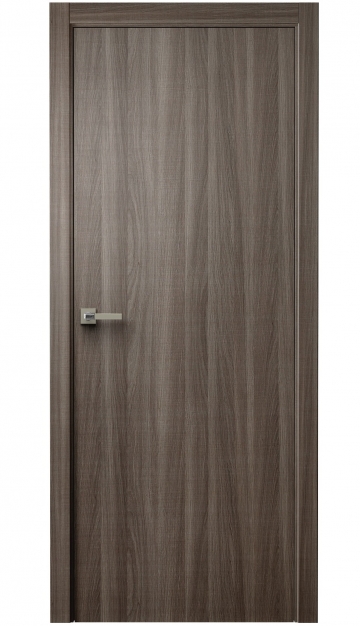
Frameless and Flush Interior Doors at Indigo Doors
At Indigo Doors, frameless interior doors and flush doors are approached as integral architectural elements. Each style is developed to support modern American interiors through precision, balance, and long-term relevance.
Based in Florida and serving clients across the United States, Indigo Doors offers modern, classic, royal, and frameless collections designed to integrate seamlessly into contemporary homes.
In the comparison between frameless interior doors vs flush doors, the right choice is always contextual. With a carefully curated range of interior door styles, Indigo Doors empowers homeowners to create interiors that feel cohesive, modern, and intentionally designed.