
- Characteristics of Interior Doors That Fit Minimalist Spaces
- What Defines a Minimalist Interior Door
- Why Interior Doors Matter in Minimalist Design
- Flush Doors as the Gold Standard of Minimalism
- Comparing Popular Interior Door Styles for Minimalist Homes
- The Role of Color in Minimalist Interior Doors
- Natural Wood Finishes in Minimalist Spaces
- Frameless Doors and Hidden Systems
- Glass Interior Doors for Minimalist Living
- Pocket Doors for Space Efficiency
- Hardware Selection for Minimalist Doors
- Common Mistakes When Choosing Doors for Minimalist Homes
- Investing in Interior Doors That Support Timeless Minimalism
Characteristics of Interior Doors That Fit Minimalist Spaces
Minimalism is more than a design trend. It is a philosophy centered on simplicity, functionality, and intentional living. In modern homes, every element serves a purpose, and unnecessary visual clutter is eliminated in favor of clean lines, open spaces, and carefully selected materials. While furniture, flooring, and wall finishes often receive the most attention, interior doors play an equally important role in defining a minimalist aesthetic.
The right interior door can seamlessly blend into the architecture, enhance natural light, improve spatial flow, and contribute to a calm, cohesive environment. Conversely, a poorly chosen door can disrupt the balance of a minimalist interior and draw attention away from the overall design.
As minimalist homes continue to gain popularity across the United States, homeowners, architects, and interior designers are paying closer attention to door styles, finishes, hardware, and construction methods. Understanding which interior doors best complement minimalist spaces can help create a home that feels timeless, functional, and visually harmonious.
What Defines a Minimalist Interior Door
Minimalist design prioritizes simplicity without sacrificing quality. Interior doors designed for minimalist homes typically avoid excessive ornamentation, decorative carvings, and complex panel configurations.
Instead, these doors focus on clean surfaces, subtle detailing, and precise craftsmanship. Their purpose is not to dominate a room but to integrate seamlessly into the surrounding architecture.
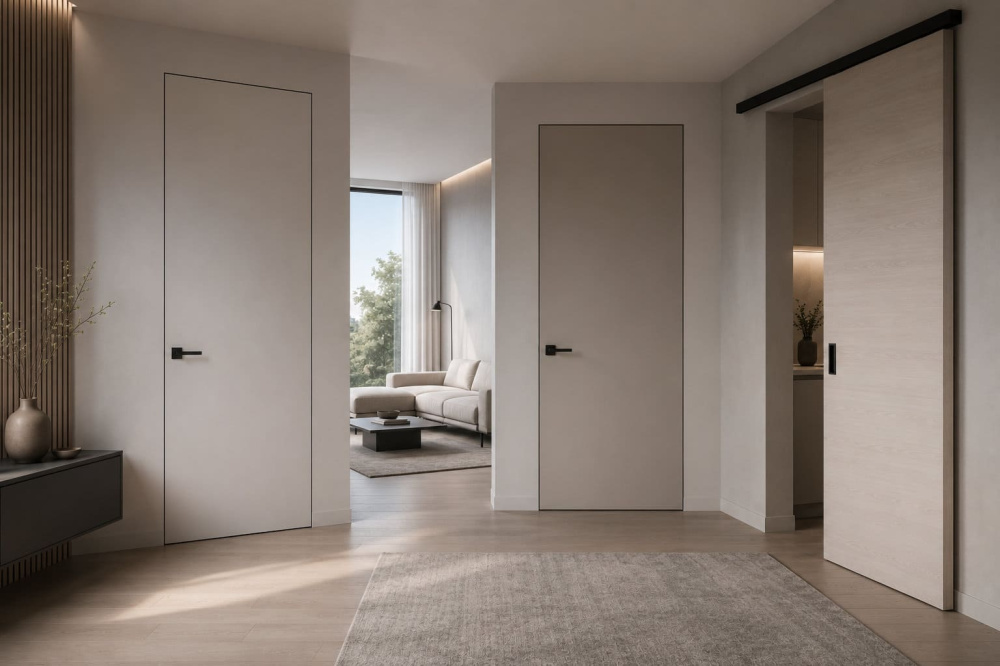
Many modern minimalist doors feature flush surfaces that create uninterrupted visual lines. Hidden hinges, concealed frames, and streamlined hardware further reinforce the clean appearance.
The overall goal is to create a sense of order and continuity throughout the home while allowing other design elements to take center stage.
Why Interior Doors Matter in Minimalist Design
Every component within a minimalist home contributes to the overall visual experience. Because minimalist interiors contain fewer decorative elements, each architectural feature becomes more noticeable.
Interior doors occupy a significant amount of wall space. Their color, texture, proportions, and placement directly influence how a room feels and functions.
A thoughtfully selected door can enhance the perception of openness, improve natural light distribution, and strengthen the connection between spaces. At the same time, it provides privacy and practical functionality.
Many homeowners underestimate how much impact a door can have on the atmosphere of a minimalist interior until they compare different options side by side.
Flush Doors as the Gold Standard of Minimalism
Among all available door styles, flush doors are often considered the ultimate minimalist solution. Their smooth, uninterrupted surface aligns perfectly with contemporary design principles.
Unlike traditional panel doors, flush doors eliminate visual distractions and create a streamlined appearance. This simplicity allows walls, flooring, and furnishings to become the primary focal points.
Flush doors are available in numerous finishes, including painted surfaces, natural wood veneers, laminate textures, and specialty coatings. This flexibility makes them suitable for a wide variety of minimalist interiors.
Many architects prefer flush doors because they create clean sightlines that enhance the overall sense of sophistication within a home.
The most successful minimalist interiors are often defined not by what is added, but by what is intentionally left out.
Comparing Popular Interior Door Styles for Minimalist Homes
Different minimalist homes may require different door solutions depending on architectural style, layout, and homeowner preferences.
| Door Style | Minimalist Appeal | Privacy Level | Best Application |
|---|---|---|---|
| Flush Doors | Excellent | High | Bedrooms, offices, living spaces |
| Frosted Glass Doors | Excellent | Medium to High | Home offices, bathrooms |
| Frameless Doors | Premium | High | Luxury modern homes |
| Pocket Doors | Very High | Medium to High | Small spaces |
| Pivot Doors | High | High | Statement architectural spaces |
| Traditional Panel Doors | Moderate | High | Transitional interiors |
This comparison demonstrates that minimalism is not limited to a single door style. Multiple options can support a clean and contemporary aesthetic when selected thoughtfully.
The Role of Color in Minimalist Interior Doors
Color selection significantly influences the success of a minimalist design. Most minimalist interiors rely on neutral palettes that create a calm and cohesive atmosphere.
White interior doors remain one of the most popular choices because they blend effortlessly with surrounding walls and maximize the perception of space. White doors can make rooms feel brighter and more expansive.
Black doors offer a different approach. Their bold contrast creates architectural definition while maintaining a clean and sophisticated appearance. They are particularly popular in contemporary and industrial-inspired homes.
Other commonly selected colors include:
-
Soft white
-
Warm beige
-
Light gray
-
Charcoal gray
-
Natural wood tones
-
Matte black
The ideal color depends on the overall design vision and desired level of visual contrast.
Natural Wood Finishes in Minimalist Spaces
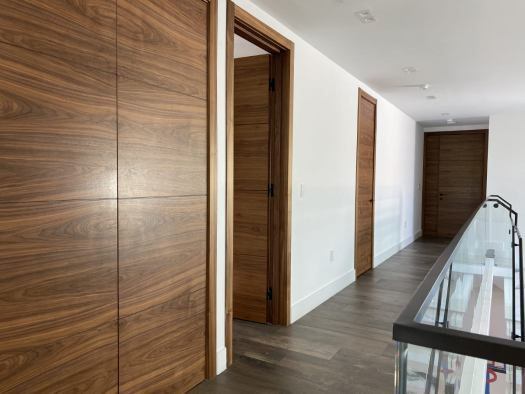
While many people associate minimalism with white surfaces, natural wood continues to play an important role in modern minimalist interiors. Wood introduces warmth, texture, and authenticity without creating visual clutter.
Oak remains one of the most sought-after materials due to its subtle grain patterns and versatile appearance. Walnut offers deeper tones that create a more dramatic aesthetic while maintaining elegance.
The key is moderation. Minimalist wood doors typically feature simple designs that allow the natural beauty of the material to stand on its own.
Many contemporary designers combine wood doors with neutral walls and understated furnishings to achieve a balanced and inviting environment.
Why Wood Veneers Are Popular
Wood veneer doors have become increasingly popular because they provide the appearance of solid wood while offering greater dimensional stability and cost efficiency.
High-quality veneers can deliver exceptional visual results while supporting modern construction requirements.
Frameless Doors and Hidden Systems
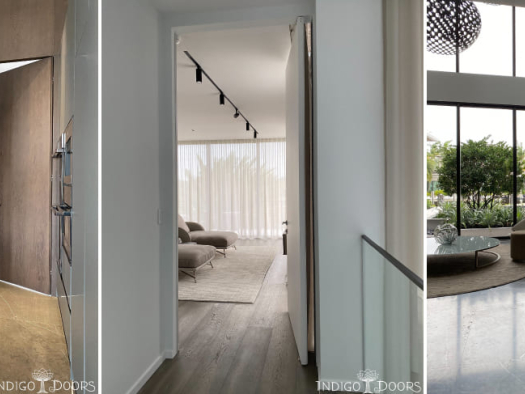
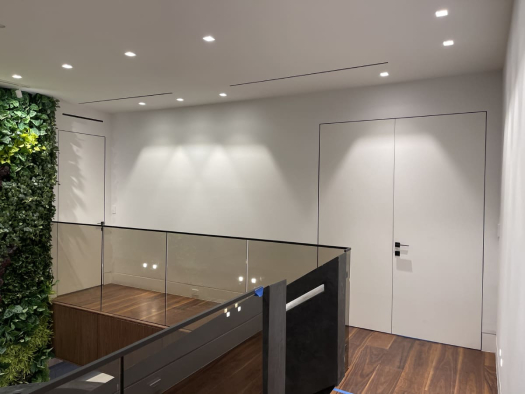
One of the most refined expressions of minimalist architecture is the frameless interior door. These systems are designed to sit nearly flush with adjacent walls, creating an exceptionally clean appearance.
Hidden frames eliminate visible trim, allowing the door to blend seamlessly into the surrounding architecture. In some cases, the door is finished in the same color and material as the wall, making it nearly invisible when closed.
This approach creates a sophisticated aesthetic that is particularly appealing in luxury residences and custom-built homes.
Although frameless systems often require a larger investment, many homeowners view them as a worthwhile upgrade due to their striking visual impact.
Glass Interior Doors for Minimalist Living
Natural light is a cornerstone of minimalist design. Glass interior doors support this principle by allowing daylight to travel freely throughout the home.
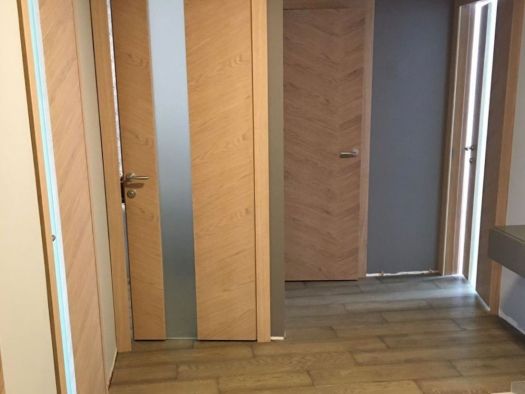
Frosted glass doors are especially popular because they provide privacy while maintaining brightness. They work exceptionally well in home offices, bathrooms, and transitional spaces.
Clear glass doors can create a strong sense of openness and visual continuity, particularly in homes with expansive layouts. Black-framed glass doors have emerged as a leading design trend in modern architecture.
When used thoughtfully, glass doors help minimalist homes feel larger, brighter, and more connected.
Pocket Doors for Space Efficiency
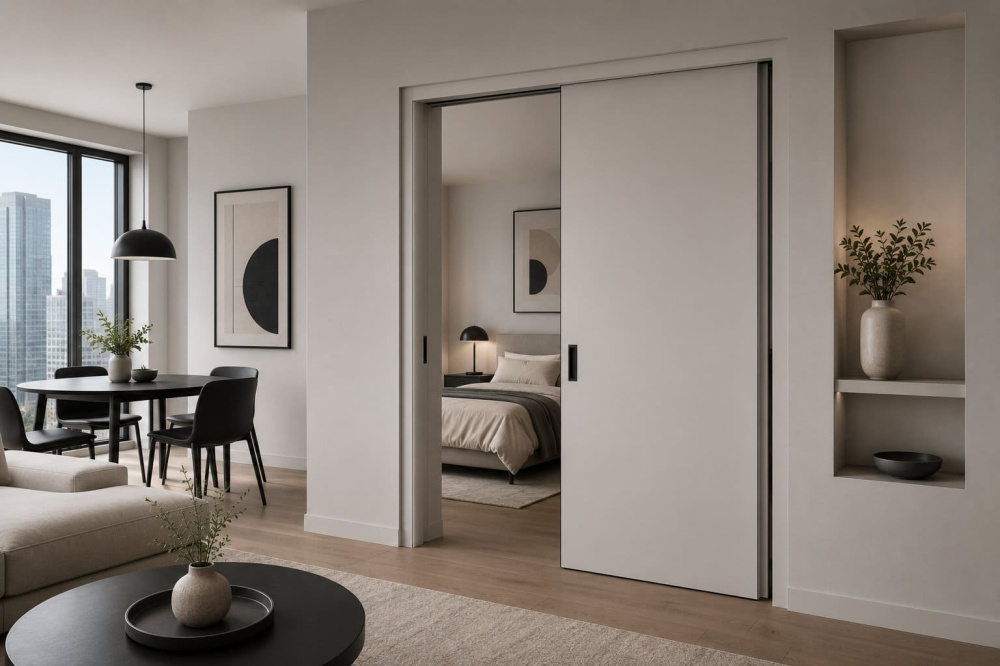
Minimalist homes often prioritize efficiency alongside aesthetics. Pocket doors represent an excellent solution for maximizing usable floor space.
Unlike traditional swing doors, pocket doors slide into a concealed wall cavity when opened. This eliminates the clearance area normally required for door operation.
Pocket doors are particularly valuable in:
-
Small bedrooms
Their discreet functionality aligns perfectly with minimalist design principles that emphasize practicality and simplicity.
As urban homes become smaller and more space-conscious, pocket doors continue to gain popularity.
Hardware Selection for Minimalist Doors
Door hardware may seem like a minor detail, but it significantly influences the final appearance of a minimalist interior.
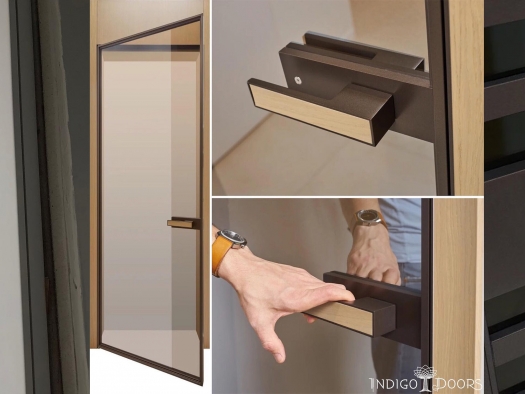
Oversized decorative handles often conflict with minimalist design goals. Instead, homeowners typically choose streamlined hardware with simple geometric forms.
Popular finishes include matte black, brushed nickel, satin chrome, and concealed hardware systems. These options provide functionality while maintaining a clean aesthetic.
Many high-end projects incorporate hidden hinges and magnetic latches that further reduce visual clutter.
Attention to these details helps create a more refined and cohesive overall design.
Minimalism is achieved when every element serves a purpose and nothing feels excessive.
Common Mistakes When Choosing Doors for Minimalist Homes
Despite the apparent simplicity of minimalist design, selecting the wrong interior doors can disrupt the desired aesthetic.
One common mistake is choosing overly decorative doors that introduce unnecessary visual complexity. Traditional raised panels, ornate moldings, and elaborate carvings often feel out of place in contemporary minimalist interiors.
Another issue is inconsistent material selection. Mixing too many finishes, colors, or hardware styles can weaken the sense of cohesion throughout the home.
Additional mistakes frequently include:
-
Ignoring door proportions
-
Choosing glossy finishes in matte interiors
-
Using oversized hardware
-
Overlooking light flow between rooms
-
Prioritizing trends over timeless design
Avoiding these pitfalls helps create a more harmonious and enduring interior.
Investing in Interior Doors That Support Timeless Minimalism
Minimalist homes are designed to remain relevant long after short-term design trends fade. Interior doors play a crucial role in achieving this longevity because they influence both aesthetics and functionality.
The best minimalist doors balance simplicity, craftsmanship, durability, and performance. Whether homeowners choose flush doors, frameless systems, frosted glass designs, or natural wood finishes, the goal remains the same: creating a calm and uncluttered environment.
Thoughtful door selection can enhance spatial flow, improve natural light distribution, and reinforce architectural consistency throughout the home. These benefits extend beyond appearance and contribute to everyday comfort and usability.
For homeowners seeking a timeless interior that feels sophisticated yet effortless, investing in high-quality minimalist interior doors is one of the most impactful design decisions they can make.