
- Understanding the Core Principles of Industrial Design
- Why Interior Doors Matter in Industrial Loft Homes
- Steel and Glass Doors as an Industrial Design Icon
- The Growing Popularity of Black Interior Doors
- Metal Frame Doors for Authentic Loft Aesthetics
- Reclaimed Wood Doors and Industrial Warmth
- Sliding Barn Doors in Industrial Interiors
- Frosted Glass Doors for Privacy and Light
- Hardware That Complements Industrial Doors
- Choosing the Right Door Color for an Industrial Loft
- Common Mistakes When Selecting Doors for Industrial Homes
- Creating a Timeless Industrial Loft with the Right Interior Doors
Industrial loft design has evolved from a niche architectural style into one of the most influential interior design trends in modern residential construction. Inspired by converted warehouses, factories, and urban manufacturing spaces, industrial interiors celebrate raw materials, open layouts, exposed structural elements, and functional simplicity. While features such as brick walls, concrete floors, exposed ductwork, and steel accents often define the overall aesthetic, interior doors play a crucial role in completing the look.
The right interior door can reinforce the industrial character of a loft while improving privacy, functionality, and spatial flow. Conversely, a door that feels overly traditional or decorative can disrupt the visual consistency that makes industrial interiors so appealing.
Today’s homeowners are increasingly incorporating industrial-inspired elements into both authentic lofts and conventional houses. Understanding which door styles, materials, finishes, and hardware choices best complement industrial design can help create a cohesive and sophisticated living environment.
Understanding the Core Principles of Industrial Design
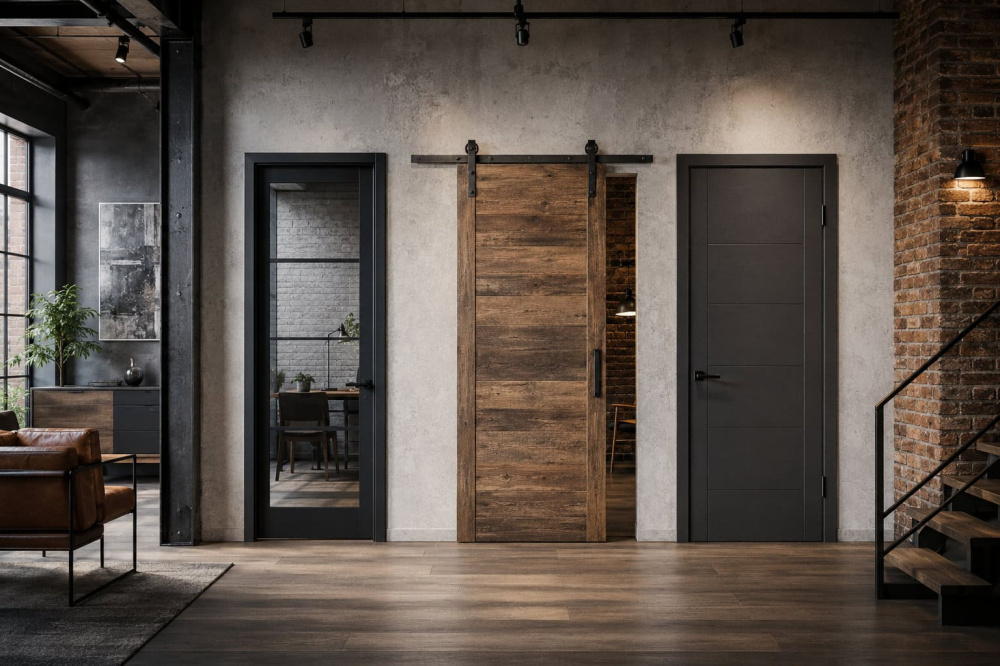
Industrial design originated from the adaptive reuse of old factories and warehouses. Rather than concealing structural components, designers embraced them as defining architectural features.
This philosophy continues to influence modern industrial homes. Exposed steel beams, visible brickwork, reclaimed wood, concrete surfaces, and open floor plans remain central to the style.
Interior doors should support these principles by emphasizing authenticity, durability, and simplicity. Excessive ornamentation typically feels out of place within industrial spaces, where function and honest materials take priority.
The most successful industrial interiors achieve a balance between rugged materials and refined design details, creating environments that feel both urban and welcoming.
Why Interior Doors Matter in Industrial Loft Homes
In industrial lofts, doors serve more than a practical purpose. They often become architectural focal points that help define spaces within open layouts.
Unlike traditional homes with clearly separated rooms, loft-style residences frequently rely on strategic design elements to establish boundaries. Interior doors can provide privacy while maintaining visual continuity throughout the space.
The choice of door style influences how light moves between rooms, how spaces connect visually, and how effectively the industrial aesthetic is maintained.
A carefully selected door contributes to the overall character of the home while supporting everyday functionality.
Steel and Glass Doors as an Industrial Design Icon
Few door styles are more closely associated with industrial interiors than steel-framed glass doors. Their combination of metal structure and expansive glass panels perfectly reflects the warehouse-inspired origins of the design movement.
Black steel frames create strong architectural lines while allowing natural light to flow throughout the home. This balance between openness and structure is one of the reasons these doors remain so popular.
Steel and glass doors work exceptionally well in:
-
Home offices
-
Dining rooms
-
Living areas
-
Loft bedrooms
-
Studio spaces
-
Interior partitions
Their ability to preserve sightlines while defining separate zones makes them particularly valuable in open-concept layouts.
Industrial design succeeds when every element feels purposeful, authentic, and connected to the architecture of the space.
The Growing Popularity of Black Interior Doors
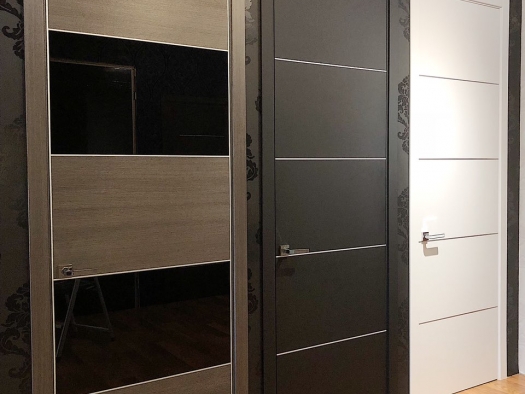
Black interior doors have become a defining feature of contemporary industrial interiors. Their dramatic appearance creates contrast while complementing other dark architectural elements commonly found in loft spaces.
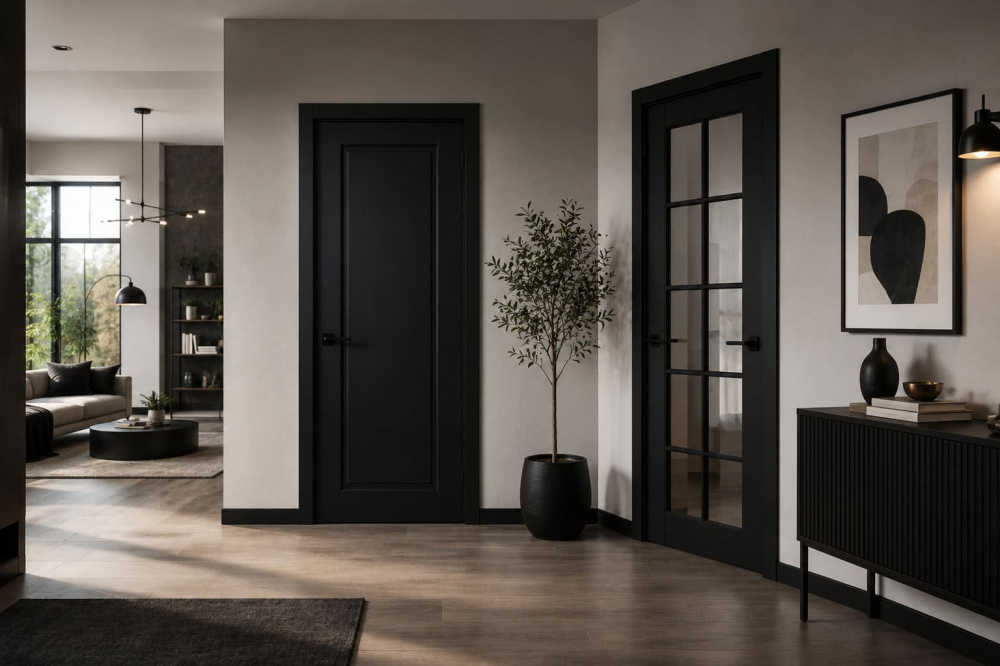
Homeowners are drawn to black doors because they feel bold without appearing overly decorative. They work exceptionally well alongside exposed brick, concrete surfaces, and natural wood finishes.
Matte black finishes are especially popular because they create a sophisticated and understated appearance. Unlike glossy surfaces, matte finishes emphasize texture and architectural form.
Black doors can function as subtle design anchors that bring visual structure to large open rooms.
Metal Frame Doors for Authentic Loft Aesthetics
Authenticity is one of the defining values of industrial design. Metal frame doors help reinforce this authenticity by introducing materials traditionally found in commercial and manufacturing environments.
Modern manufacturers now offer numerous metal door systems designed specifically for residential applications. These products provide the industrial appearance homeowners desire while meeting contemporary standards for performance and durability.
Popular metal frame options include:
-
Steel-framed glass doors
-
Aluminum-framed doors
-
Slim-profile metal systems
-
Pivot-style metal doors
-
Industrial-style sliding doors
Each option offers unique aesthetic and functional benefits depending on the layout and design goals of the home.
Reclaimed Wood Doors and Industrial Warmth
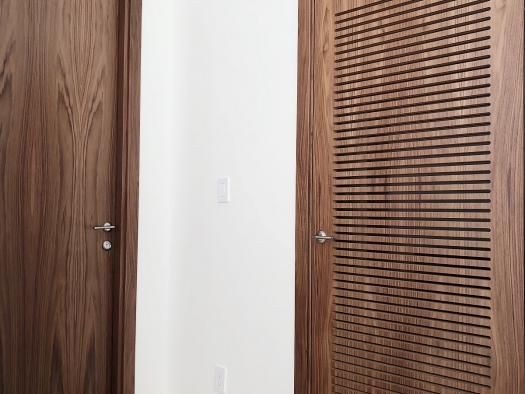
Although industrial design is often associated with steel and concrete, wood remains an important component of the style. Reclaimed wood introduces warmth, texture, and character that balance harder architectural materials.
Many industrial homeowners choose doors made from reclaimed or distressed wood because they reflect the history and authenticity that define loft living. Natural imperfections such as knots, grain variations, and weathered textures contribute to their appeal.
Wood doors also help soften spaces that might otherwise feel overly cold or sterile. This contrast creates a more comfortable and inviting environment.
The combination of reclaimed wood and black metal hardware remains one of the most enduring industrial design pairings.
Why Reclaimed Materials Continue to Trend
Sustainability and authenticity are increasingly important considerations in residential design. Reclaimed wood supports both objectives by repurposing existing materials while adding distinctive visual character.
As a result, reclaimed wood doors continue to gain popularity among homeowners seeking environmentally conscious design solutions.
Sliding Barn Doors in Industrial Interiors
Sliding barn doors have become a popular feature in industrial-style homes because they combine functionality with strong visual impact. Their exposed hardware systems align naturally with the industrial emphasis on visible construction elements.
Unlike traditional hinged doors, barn doors glide along wall-mounted tracks. This mechanism becomes part of the design rather than something hidden from view.
Industrial barn doors frequently feature combinations of wood, steel, glass, and matte black hardware. These materials work together to create a distinctly urban aesthetic.
In addition to their visual appeal, sliding doors can improve space efficiency in smaller loft apartments and compact modern homes.
Frosted Glass Doors for Privacy and Light
Many loft-style homes prioritize openness and natural light. However, certain rooms still require privacy. Frosted glass doors provide an effective solution that satisfies both needs.
These doors allow daylight to penetrate deeper into the home while obscuring visibility. This makes them particularly useful for bathrooms, home offices, guest rooms, and flexible living spaces.
The combination of black metal frames and frosted glass has become increasingly popular in contemporary industrial interiors because it maintains the desired aesthetic while improving functionality.
Frosted glass also softens the visual impact of large glass surfaces, creating a more balanced and comfortable environment.
Hardware That Complements Industrial Doors
Door hardware has a significant influence on the overall appearance of an industrial interior. The best hardware choices emphasize durability, simplicity, and authentic materials.
Matte black hardware remains the most popular option because it complements metal-framed doors and other industrial architectural features. Brushed steel and aged iron finishes also work exceptionally well.
Popular hardware selections include:
-
Matte black handles
-
Industrial pull bars
-
Exposed rollers
-
Steel hinges
-
Sliding track systems
-
Minimalist lever handles
The goal is to choose hardware that feels purposeful rather than decorative.
Attention to these details often distinguishes professionally designed industrial interiors from less cohesive spaces.
Choosing the Right Door Color for an Industrial Loft
Color selection influences how industrial doors interact with surrounding architectural elements. Black remains the dominant choice due to its strong visual presence and compatibility with industrial materials.
However, black is not the only option. Dark gray, charcoal, weathered metal tones, and natural wood finishes can also work beautifully within loft-inspired interiors.
The most effective color palettes often draw inspiration from industrial materials themselves. Concrete gray, oxidized steel, aged bronze, and reclaimed wood tones all contribute to authentic design schemes.
Selecting colors that complement existing architectural features helps create a more cohesive and visually balanced environment.
Industrial interiors are most successful when materials, colors, and architectural details work together to tell a consistent design story.
Common Mistakes When Selecting Doors for Industrial Homes
While industrial design appears straightforward, several common mistakes can undermine its effectiveness. One of the most frequent errors is choosing doors that are overly ornate or traditional.
Raised panels, decorative carvings, and elaborate moldings often conflict with the simplicity that defines industrial interiors. These details can make spaces feel disconnected from the overall design vision.
Other mistakes frequently include:
-
Ignoring natural light considerations
-
Using hardware that feels overly decorative
-
Mixing incompatible finishes
-
Choosing low-quality imitation materials
-
Prioritizing trends over authenticity
Avoiding these pitfalls helps homeowners create interiors that feel intentional, cohesive, and timeless.
Creating a Timeless Industrial Loft with the Right Interior Doors
Industrial design continues to evolve, but its core principles remain remarkably consistent. Authentic materials, functional simplicity, architectural honesty, and durable construction continue to define the style.
Interior doors play a central role in supporting these principles. Whether homeowners choose steel-framed glass doors, reclaimed wood designs, industrial barn doors, or modern metal systems, the right door can reinforce the character of the entire home.
The most successful industrial interiors balance ruggedness with comfort, creating spaces that feel sophisticated without becoming overly polished. Thoughtfully selected doors contribute to this balance by providing privacy, structure, and architectural interest.
For homeowners seeking to capture the essence of loft living, investing in high-quality industrial-style interior doors is one of the most effective ways to create a space that feels authentic, functional, and enduring.