
- Core Construction and Structural Stability
- Precision Manufacturing and Dimensional Accuracy
- Surface Finish and Material Quality
- Hardware Engineering and Smooth Operation
- Acoustic Performance and Privacy
- Moisture Resistance and Environmental Stability
- Design Consistency and Architectural Integration
- Weight Balance and Structural Proportion
- Long Term Value and Investment Perspective
- How to Identify a Truly High Quality Interior Door
A high quality interior door is not defined by appearance alone. In modern American homes, interior doors must deliver structural stability, smooth performance, long term durability, and architectural precision. Whether you are designing a contemporary residence in Florida or renovating a traditional home elsewhere in the United States, choosing a premium interior door directly affects comfort, privacy, and property value.
Understanding what separates a standard door from a truly high quality interior door helps homeowners make confident investment decisions.
At Indigo Doors, we manufacture and supply Modern Interior Doors, Royal Collection, Frameless Doors Invisible Doors, and Classic Collection options nationwide from our Florida headquarters. Our focus is engineering excellence combined with refined design.
Core Construction and Structural Stability
The foundation of a high quality interior door begins with its core construction. The internal structure determines durability, weight balance, and acoustic performance.
Premium interior doors typically feature:
-
Engineered solid cores
-
Stable composite materials
-
Reinforced structural layers
-
Moisture resistant construction
Unlike hollow core doors, solid core systems provide better sound insulation and resist warping over time. In humid climates such as Florida, structural stability is especially critical.
“A door’s true quality is hidden beneath the surface.”
A well engineered core ensures that the door maintains alignment and smooth operation for years.
Precision Manufacturing and Dimensional Accuracy
High quality interior doors are manufactured with strict dimensional tolerances. Even minor deviations can lead to alignment issues, uneven gaps, or long term hinge stress.
Key manufacturing standards include:
-
Consistent panel thickness
-
Accurate edge finishing
-
Balanced weight distribution
-
Precision hardware placement
Dimensional accuracy ensures that doors close securely and operate smoothly without excessive friction.
Precision engineering also reduces installation complications and enhances long term reliability.

Surface Finish and Material Quality
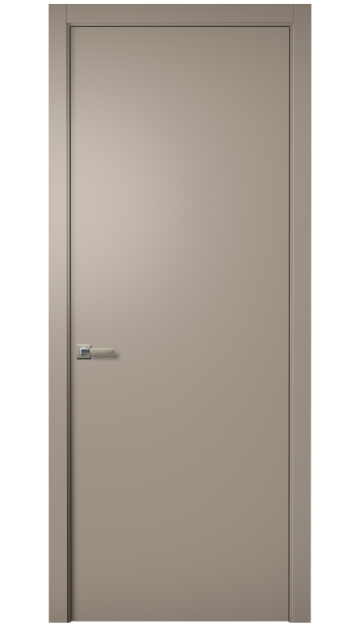
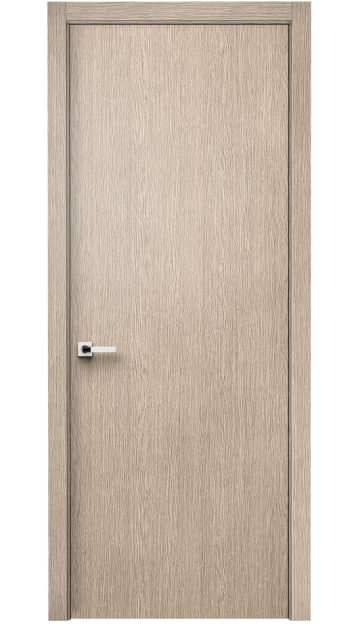
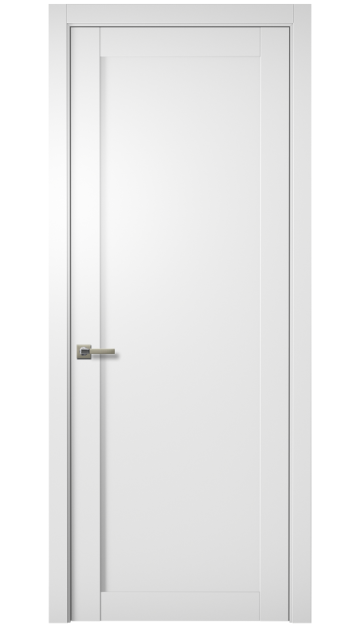
The finish of an interior door impacts both appearance and durability. A premium surface should resist scratches, fading, and environmental stress.
Common high quality finish options include:
-
Matte lacquer coatings
-
High gloss lacquer
-
UV resistant surfaces
Surface integrity is particularly important in high traffic areas. Quality finishing protects against daily wear while preserving aesthetic consistency.
Selecting durable finishes reduces maintenance costs and extends product lifespan.
Hardware Engineering and Smooth Operation
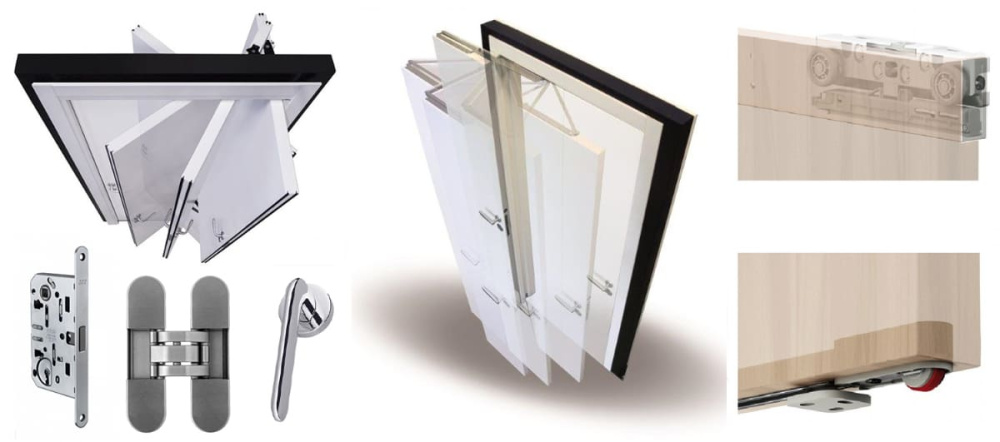
A high quality interior door is only as strong as its hardware. Hinges, pivot systems, sliding tracks, and handles must support consistent daily use.
Premium hardware systems offer:
-
Smooth opening and closing
-
Weight balanced support
-
Concealed hinge options
-
Corrosion resistant components
Pivot doors rely on vertical weight distribution for stability. Swing doors depend on high grade hinge strength. Sliding systems require durable track mechanisms.
Investing in engineered hardware enhances performance and prevents premature wear.
Acoustic Performance and Privacy
Sound control is an often overlooked factor in interior door quality. Bedrooms, offices, and bathrooms require effective noise reduction.
High quality interior doors provide:
-
Solid core construction
-
Proper frame alignment
-
Tight sealing
-
Balanced door weight
Barn doors may prioritize aesthetics, but swing and pocket doors with proper sealing often provide better privacy performance.
For families and remote workers, acoustic reliability directly improves daily living comfort.
Moisture Resistance and Environmental Stability
Interior doors must perform consistently across varying climate conditions. In Florida and other humid regions, moisture resistance is essential.
Important environmental factors include:
-
Resistance to warping
-
Stable core materials
-
Protective surface coatings
-
Structural integrity over time
Poorly engineered doors may swell, crack, or misalign under humidity changes. High quality doors maintain their form and function regardless of seasonal shifts.
Durability in changing conditions is a defining feature of premium manufacturing.

Design Consistency and Architectural Integration
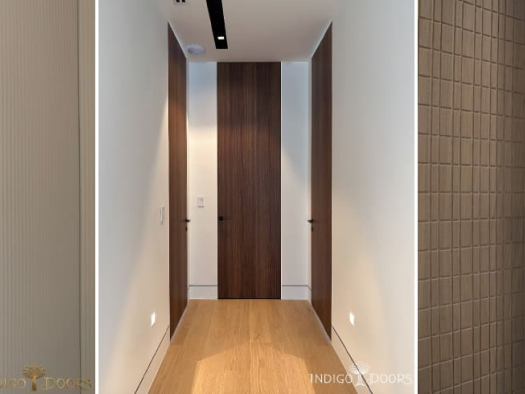
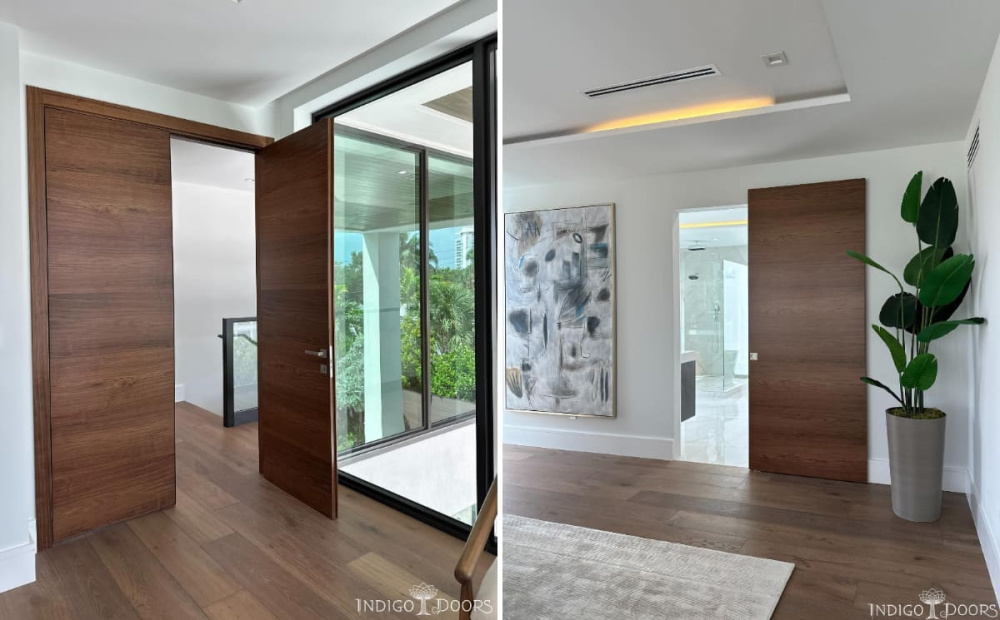
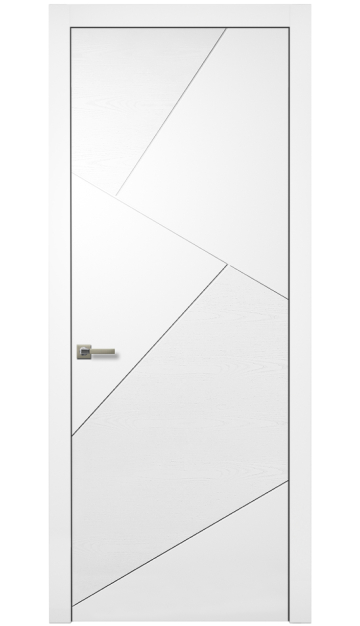
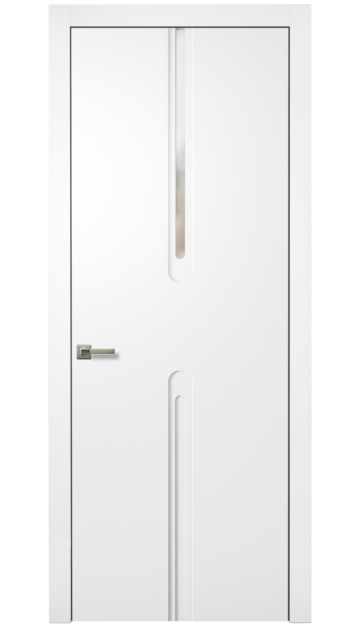
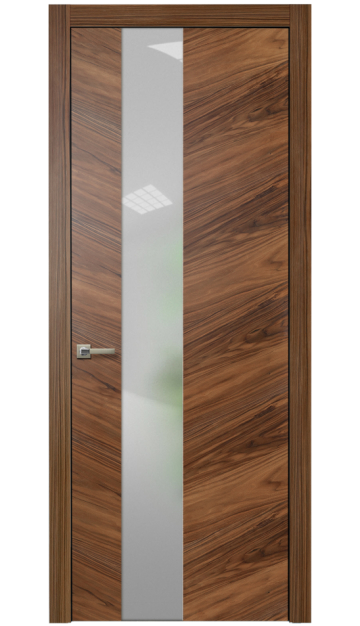
A high quality interior door should align seamlessly with a home’s architectural language.
Whether selecting:
-
Flush minimalist designs
-
Frameless invisible doors
-
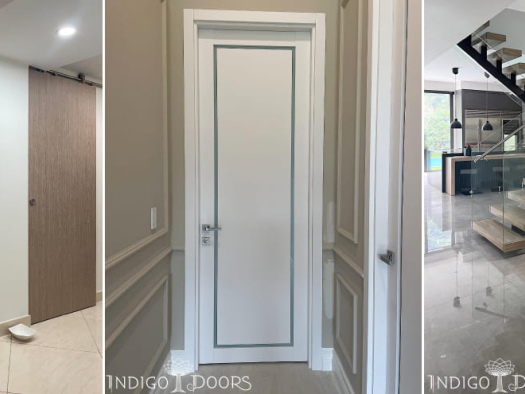
Classic panel styles
-
Glass integrated systems
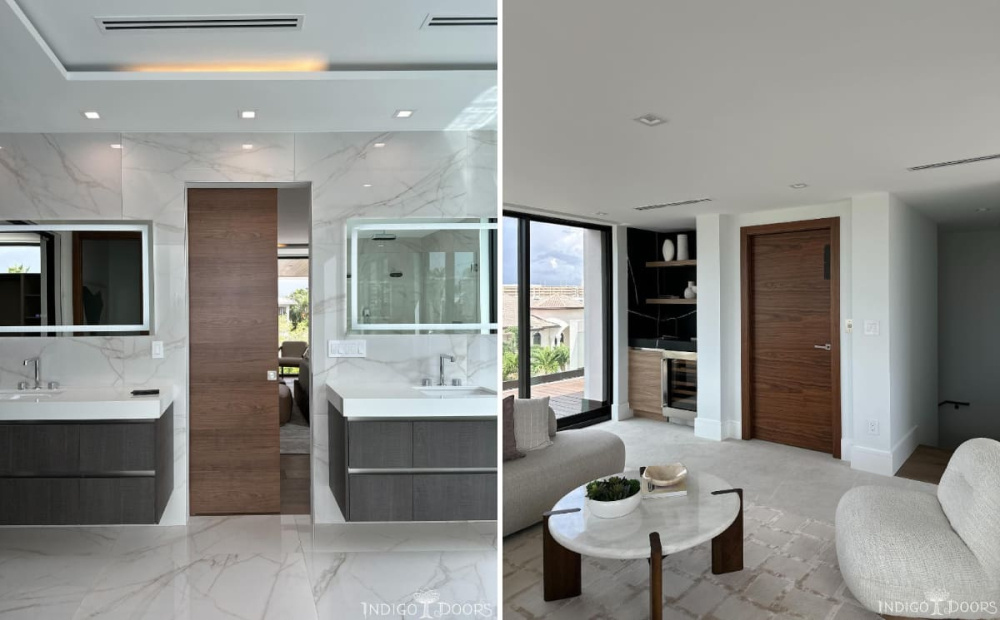
The design must complement ceiling height, wall finishes, and overall spatial composition.
“Quality is achieved when engineering and aesthetics work together.”
Doors should feel integrated rather than added as afterthoughts.
Weight Balance and Structural Proportion
The weight of an interior door directly influences its performance. Doors that are too light may feel unstable. Doors that are improperly balanced may stress hardware.
Premium doors are engineered with:
-
Balanced internal density
-
Reinforced hinge zones
-
Stable panel geometry
-
Smooth swing or pivot motion
Well balanced doors operate quietly and close with controlled movement.
This attention to structural proportion enhances user experience.
Long Term Value and Investment Perspective
While lower cost doors may appear similar at first glance, long term performance often reveals quality differences.
High quality interior doors contribute to:
-
Increased property value
-
Improved resale appeal
-
Reduced maintenance needs
-
Enhanced daily comfort
Homebuyers frequently notice premium finishes and smooth operation during property evaluations.
Choosing durable, well engineered interior doors is an investment in long term reliability.
How to Identify a Truly High Quality Interior Door
When evaluating interior doors, consider the following checklist:
-
Is the core solid and stable
-
Are hardware systems engineered for longevity
-
Does the surface finish resist wear
-
Are dimensions manufactured with precision
-
Does the door align with your home’s architecture
At Indigo Doors, we manufacture and supply premium interior doors nationwide from our Florida headquarters. Our collections include Modern Interior Doors, Royal Collection, Invisible Doors, and Classic Collection options available in swing, double swing French, pocket, barn, bypass, bi-fold, pivot, roto, and Magic configurations.
A high quality interior door is not simply about design trends. It is about engineering, durability, precision, and architectural harmony. When these elements combine, the result is a door that enhances your home every day for years to come.