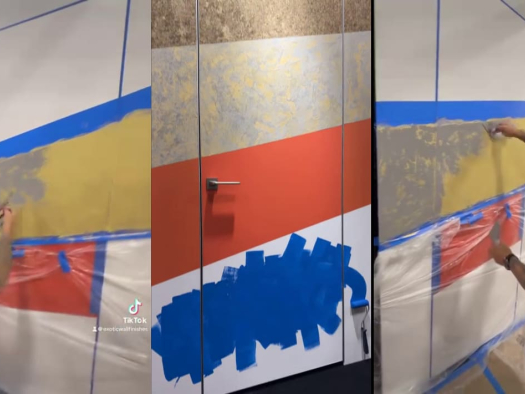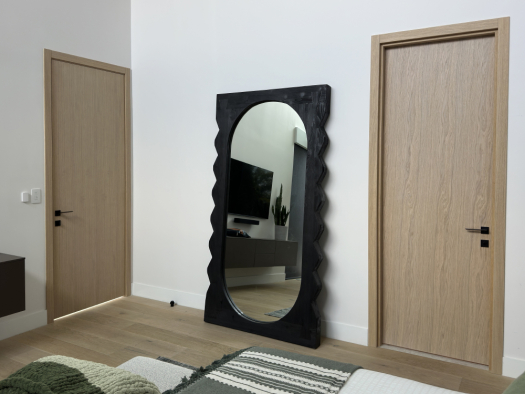

- Why Interior Door Color Matters More Than You Think
- White Interior Doors for Clean Modern Spaces
- Matching Interior Doors to Wall Color
- Neutral Door Colors That Never Go Out of Style
- Dark Interior Doors as a Modern Accent
- Using Wood Tones for Warm Modern Interiors
- Color Consistency Across Open-Concept Layouts
- Interior Door Color Ideas for Small Spaces
- Matte Finishes for a Modern Look
- Choosing the Right Interior Door Color for Your Home
Color is one of the most powerful tools in interior design, and interior doors are no exception. The right door color can visually expand a space, improve light flow, and bring harmony to modern interiors. The wrong choice, on the other hand, can disrupt balance and make even a well-designed room feel unfinished.
In modern homes, interior door color is no longer a minor detail. It is a deliberate design decision that shapes how the entire space is perceived.
“Color doesn’t decorate space — it defines how we experience it.”
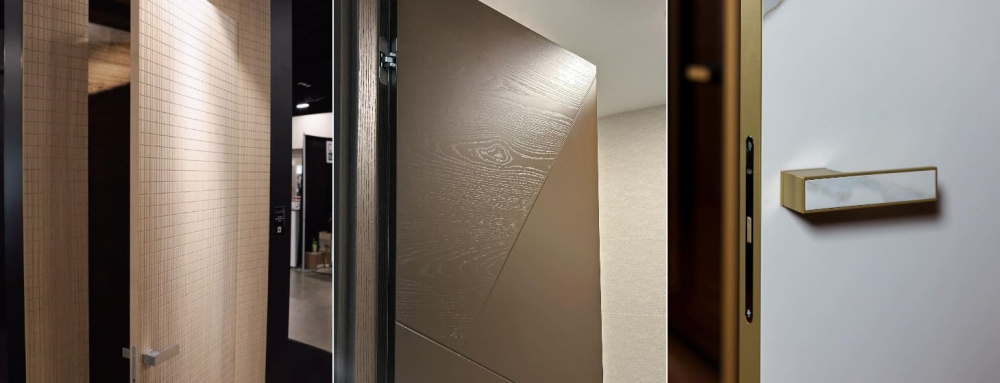
Why Interior Door Color Matters More Than You Think
Interior doors often sit at eye level and intersect with walls, flooring, and furniture. Because of this, their color directly affects visual continuity and spatial perception.
A door that clashes with its surroundings can interrupt flow, while a well-chosen color supports cohesion and calm.
Key ways door color influences interiors include:
- How large or small a room feels
- How light moves through connected spaces
- How cohesive the overall design appears
In modern homes, color is architecture in disguise.
White Interior Doors for Clean Modern Spaces
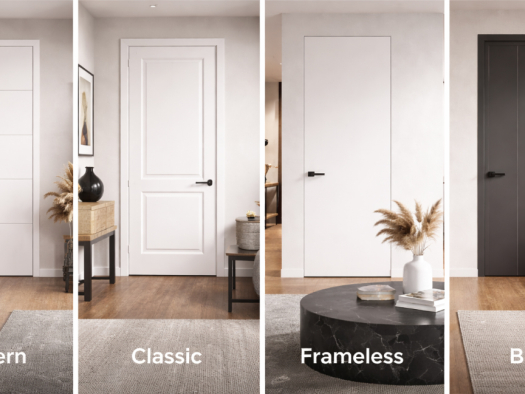
White interior doors remain one of the most popular choices for modern homes—and for good reason. They reflect light, reduce visual weight, and integrate easily into a wide range of interiors.
In bright, open layouts, white doors help maintain a sense of airiness and simplicity.
Why white doors work so well:
- They enhance natural light
- They visually expand rooms
- They suit minimalist and contemporary styles
White doors don’t demand attention — they give space room to breathe.
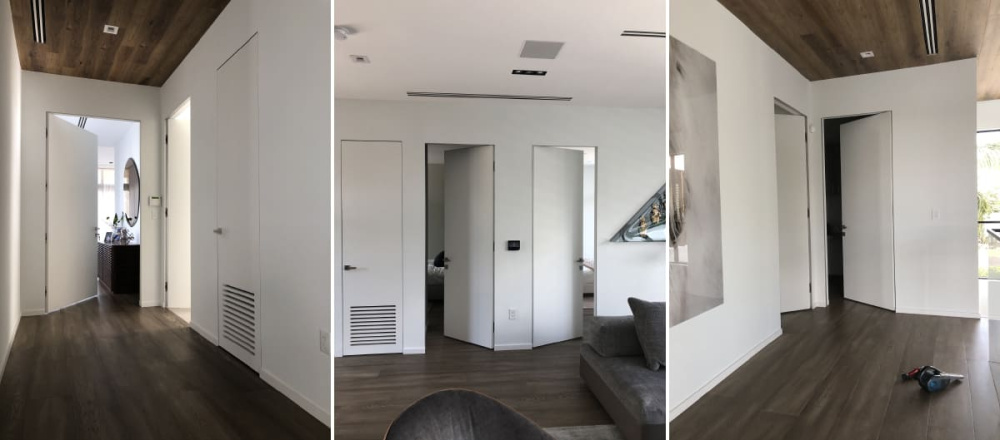
Matching Interior Doors to Wall Color
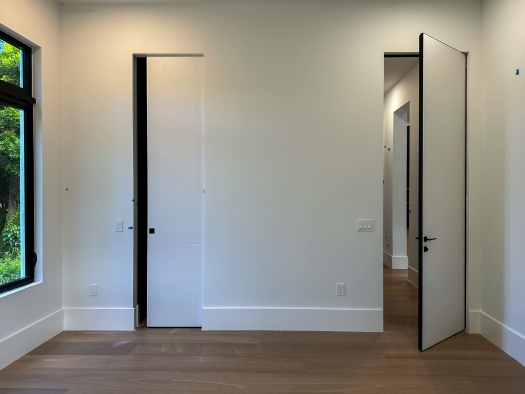
One of the most effective modern design strategies is matching interior doors to wall color. This approach reduces visual breaks and makes rooms feel larger and calmer.
When doors blend into the wall, they stop acting as boundaries and start acting as part of the architectural surface.
Benefits of wall-matching doors include:
- Seamless visual flow
- Reduced contrast in small spaces
- A more refined, intentional look
When doors disappear, space becomes the focus.
Neutral Door Colors That Never Go Out of Style
Neutral tones offer a perfect balance between contrast and subtlety. Shades like soft gray, warm beige, and muted taupe add depth without overwhelming the interior.
These colors work especially well in modern homes that rely on texture and material rather than bold color statements.
Popular neutral door colors include:
- Light gray for modern balance
- Warm beige for soft interiors
- Greige tones that bridge warm and cool palettes
“Neutrals don’t fade into the background — they hold everything together.”
Dark Interior Doors as a Modern Accent
Dark interior doors can be striking when used intentionally. In modern interiors, they often serve as architectural accents rather than dominant features.
Black, charcoal, and deep gray doors work best in spaces with strong natural light and clean lines.
When dark doors work well:
- In large, light-filled rooms
- As contrast against white or neutral walls
- In minimalist interiors with limited color palettes
Dark doors should frame the space, not overpower it.
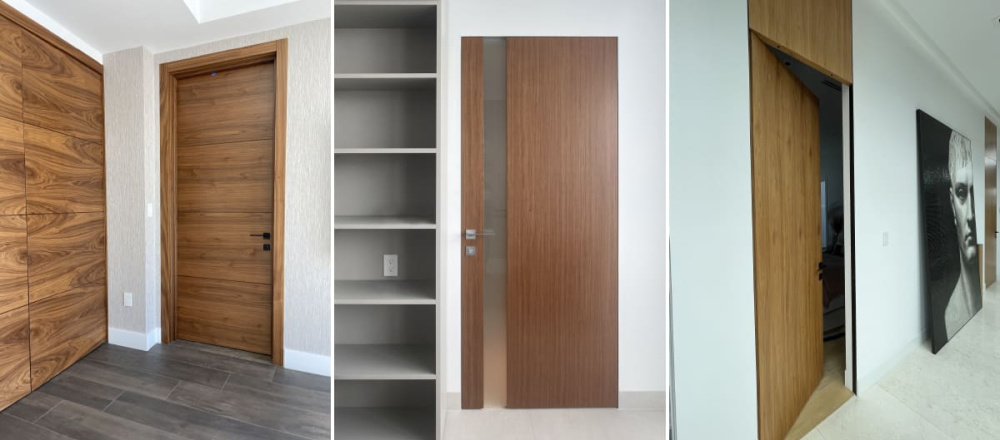
Using Wood Tones for Warm Modern Interiors
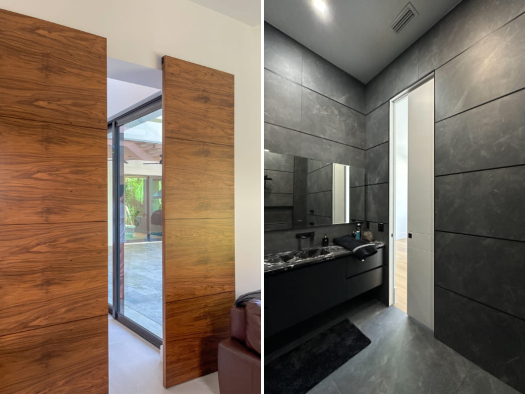
Natural wood tones bring warmth and texture to modern homes. When used thoughtfully, wood-finished interior doors soften minimalist spaces without sacrificing contemporary style.
Lighter wood tones are especially popular in modern interiors that aim for a relaxed, natural feel.
Wood tones that suit modern homes include:
- Light oak or ash finishes
- Soft, desaturated wood hues
- Clean-grain veneers without heavy contrast
Warmth and modern design are not opposites — they complement each other.
Color Consistency Across Open-Concept Layouts
In open-concept homes, color consistency is essential. Interior doors that change color from room to room can disrupt visual flow and make the space feel fragmented.
Maintaining a consistent door color across shared areas helps unify the interior and support openness.
Best practices for open layouts:
- Use one primary door color throughout main areas
- Avoid high contrast between adjacent rooms
- Let furniture and décor provide variation
Consistency creates calm, especially in modern interiors.
Interior Door Color Ideas for Small Spaces
In small rooms, door color choices become even more critical. Dark or high-contrast doors can visually shrink a space, while lighter tones help rooms feel larger.
Doors that match walls or use soft neutrals are especially effective in compact interiors.
Small-space-friendly color strategies include:
- Wall-matching finishes
- Light neutral palettes
- Avoiding bold contrast
“In small spaces, subtle color choices make the biggest difference.”
Matte Finishes for a Modern Look
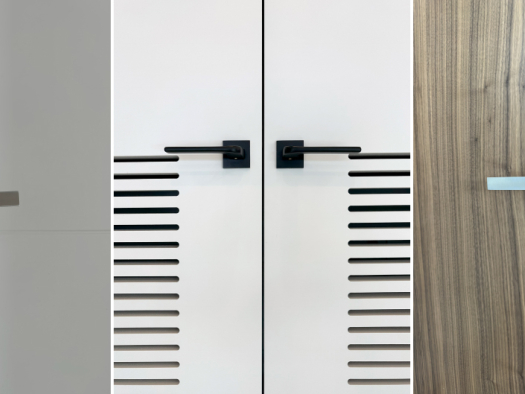
Beyond color itself, finish plays an important role. Matte finishes are widely favored in modern interiors because they reduce glare and feel more refined.
Matte doors also hide fingerprints and wear better than glossy finishes, making them practical for everyday living.
Why matte finishes work well:
- Softer light reflection
- Cleaner, more contemporary appearance
- Better visual consistency
Modern design favors restraint over shine.
Choosing the Right Interior Door Color for Your Home
There is no single “best” interior door color for every modern home. The right choice depends on light, layout, and overall design intent.
When selecting a door color, focus on:
- How it interacts with walls and flooring
- How it affects light and space
- How timeless it will feel over time
The best interior door color supports the space without stealing attention from it.