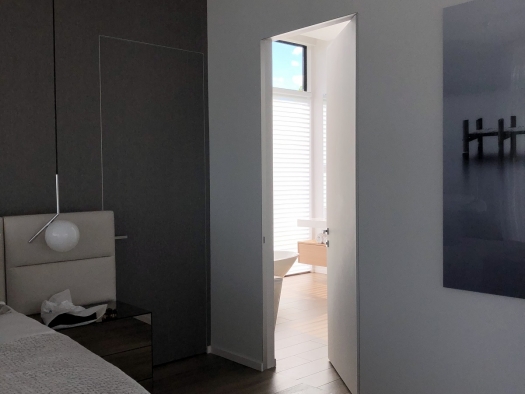

- Black vs White Interior Doors Choosing the Right Color for Your Interior
- Why door color matters more than you think
- White interior doors creating space and light
- Black interior doors bold contrast and modern style
- When black doors work best
- When white doors are the better choice
- Combining black and white doors in one home
- How lighting affects black vs white doors
- Impact on resale value and buyer perception
- Conclusion black vs white interior doors which looks better
Black vs White Interior Doors Choosing the Right Color for Your Interior
Interior door color plays a much bigger role than most homeowners expect. It is not just a detail—it directly affects how the entire space feels, looks, and functions visually. In modern homes across the USA, the debate between black and white interior doors has become especially relevant as design trends shift toward both minimalism and bold contrasts.
Choosing between black and white interior doors is not about which option is “better” in general. It is about which one works better in a specific interior. Lighting, wall color, flooring, and overall style all influence how the final result will look.
The color of your interior doors quietly defines the mood of your entire home
Why door color matters more than you think
Interior doors are repeated elements throughout the home. Unlike furniture or decor, they appear in every room, which means their color creates a consistent visual rhythm.
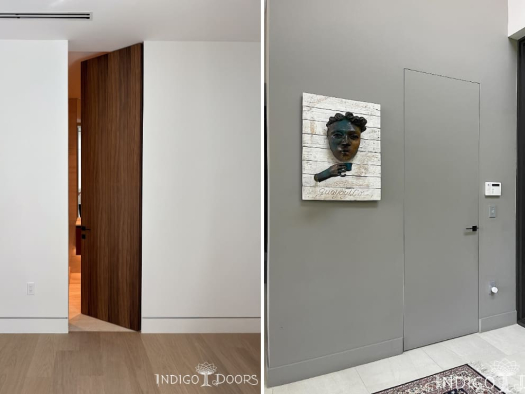
White doors tend to blend into the background, making spaces feel larger and more open. Black doors, on the other hand, create contrast and act as architectural accents that draw attention.
Because of this, the wrong choice can disrupt the balance of the interior. A well-chosen color, however, can elevate even a simple design and make it look more refined and intentional.
Key factors influenced by door color:
-
perception of space size
-
light reflection and brightness
-
visual contrast and depth
White interior doors creating space and light
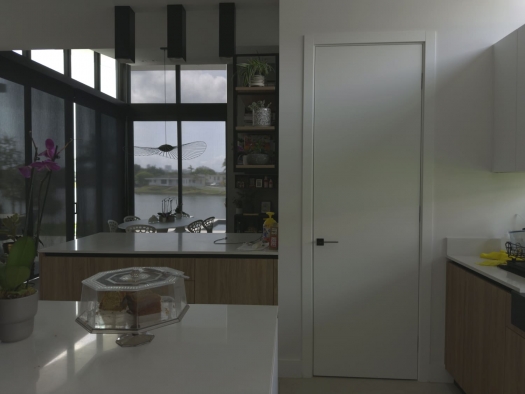
White interior doors remain the most popular choice in American homes, especially in Florida and other regions where bright interiors are preferred. They reflect light, making rooms feel more open and airy.
This makes white doors particularly effective in smaller homes, apartments, or spaces with limited natural light. They visually expand the room and help maintain a clean, fresh aesthetic.
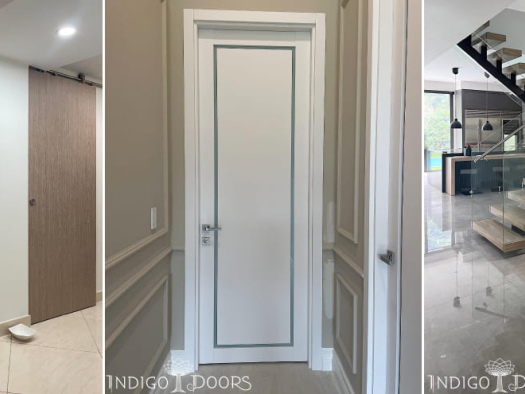
Another advantage is versatility. White doors work with almost any interior style—from classic to modern—without overwhelming the design.
Benefits of white interior doors:
-
enhance natural light and brightness
-
create a sense of openness
-
match almost any color palette
Black interior doors bold contrast and modern style
Black interior doors have become a strong trend in contemporary design. They bring depth, contrast, and a sense of sophistication that white doors cannot achieve.
Instead of blending in, black doors stand out. They create a structured and intentional look, especially when combined with light walls and minimalist interiors.
However, they require careful planning. In smaller or darker spaces, black doors can make the room feel more enclosed if not balanced properly.
Black interior doors are not just a choice they are a statement
When black doors work best
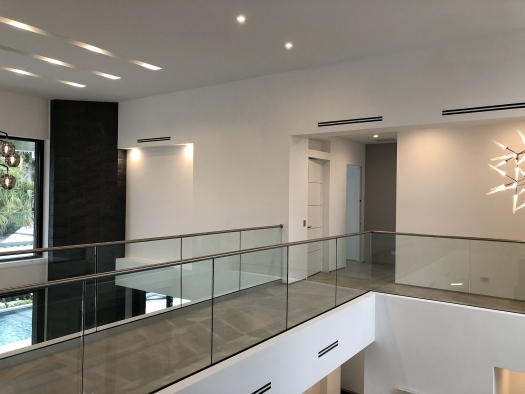
Black interior doors are most effective in homes with enough light and open layouts. They need contrast to shine, which means they work best against white or neutral walls.
They are particularly popular in:
-
modern and minimalist interiors
-
industrial style homes
-
luxury open concept spaces
In these environments, black doors add architectural interest without overwhelming the design.
When white doors are the better choice
White interior doors remain the safer and more universal option for most homes. They are especially effective in spaces where light and openness are priorities.
They work best in:
-
smaller homes and apartments
-
coastal or Florida style interiors
-
traditional or transitional designs
White doors help maintain a calm and cohesive look, especially when combined with light flooring and neutral walls.
Combining black and white doors in one home
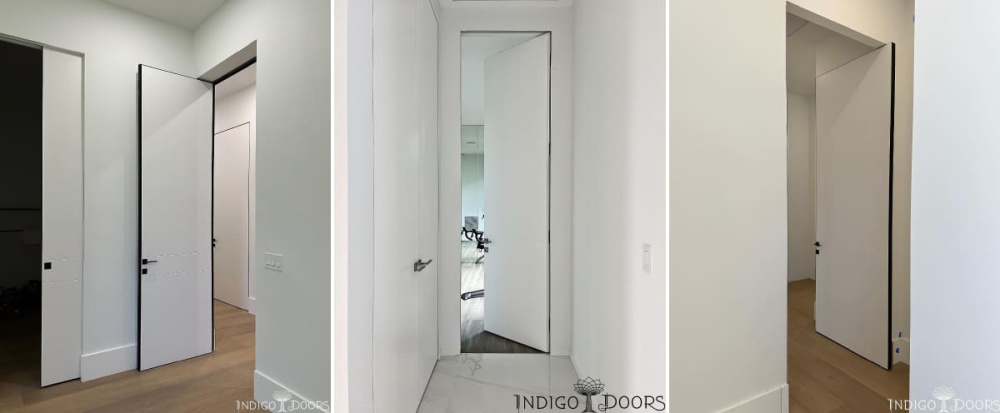
A growing trend in interior design is mixing black and white doors within the same home. This approach allows homeowners to create contrast while maintaining overall harmony.
For example, black doors can be used in main living areas as statement elements, while white doors are used in bedrooms or secondary spaces to keep things light.
This strategy works particularly well when:
-
the home has an open layout
-
there is a clear design concept
-
colors are used consistently across elements
Contrast when used correctly creates balance not chaos
How lighting affects black vs white doors
Lighting plays a crucial role in how door colors are perceived. The same black door can look elegant in a bright room but heavy in a dim one.
White doors reflect both natural and artificial light, making them more forgiving in different conditions. Black doors absorb light, which can either enhance depth or reduce brightness depending on the environment.
Before choosing a color, it is important to evaluate:
-
amount of natural light
-
direction of windows
-
type of artificial lighting
Ignoring lighting conditions is one of the most common mistakes homeowners make.
Impact on resale value and buyer perception
Interior design choices affect how potential buyers perceive a home. Door color is one of those subtle details that can influence first impressions.
White doors are generally considered a neutral and safe choice that appeals to a wider audience. Black doors, while stylish, may be seen as a more specific design preference.
However, in modern and high-end homes, black doors can actually increase perceived value by making the interior look more premium.
Conclusion black vs white interior doors which looks better
There is no universal answer to whether black or white interior doors look better. The right choice depends on the space, lighting, and overall design direction.
White doors are ideal for brightness, versatility, and smaller spaces. Black doors are perfect for creating contrast, depth, and a modern aesthetic.
The best approach is to align door color with your interior goals. When chosen correctly, both options can transform the look and feel of your home and elevate it to a more refined level.