
- Interior Door Styles as a Key Element of Modern American Homes
- Modern Interior Door Styles Defining Homes in 2026
- Why Interior Door Styles Matter in Open Floor Plans
- Minimalist Interior Door Styles and Clean Design Aesthetics
- Frameless and Invisible Interior Door Styles for Seamless Interiors
- Classic Interior Door Styles with Timeless American Appeal
- Royal Interior Door Styles and Refined Interior Elegance
- How Interior Door Styles Reflect Personal Taste and Lifestyle
- Interior Door Styles Based on Materials and Surface Finishes
- Color Trends Shaping Interior Door Styles in 2026
- Interior Door Styles for Bedrooms Living Rooms and Home Offices
- How to Choose Interior Door Styles for Long Term Value
- Interior Door Styles as a Design Signature of Indigo Doors
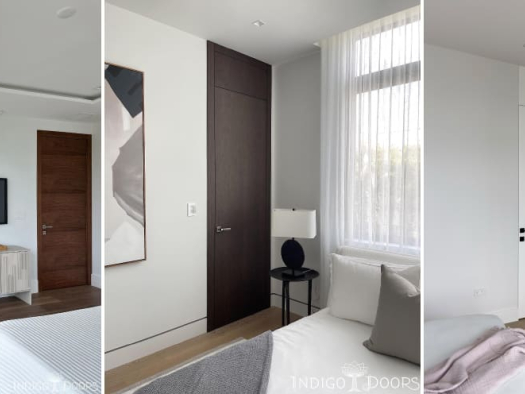
Interior Door Styles as a Key Element of Modern American Homes
Interior door styles play a far more significant role in modern home design than many homeowners initially expect. In 2026, interior doors are no longer just functional barriers between rooms — they are architectural elements that define space, mood, and visual flow throughout the home. From open-concept layouts to private zones, the right door style influences how a home feels and functions every day.
In American homes, especially in states like Florida where light, space, and clean design lines are highly valued, interior door styles are increasingly chosen as part of an integrated interior concept. Homeowners pay attention not only to door type, but also to proportions, finishes, and how doors interact with walls, floors, and furniture. This shift has made door selection a strategic design decision rather than a last-minute purchase.
Designers and homeowners alike recognize that well-chosen interior door styles can visually expand space, enhance natural light, and support modern lifestyles. Whether the goal is minimalism, elegance, or timeless sophistication, doors now carry both aesthetic and emotional value within the home.
“Interior doors are no longer background elements. They shape how people experience space every day.”
As trends evolve in 2026, interior door styles reflect broader movements in architecture and interior design — simplicity, functionality, and refined detailing that aligns with contemporary American living.
Modern Interior Door Styles Defining Homes in 2026
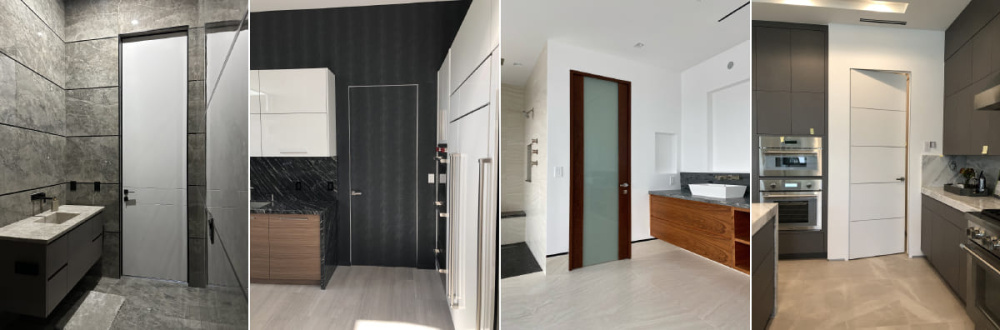
Modern interior door styles continue to dominate the U.S. market in 2026, particularly in newly built homes and high-end renovations. These styles are characterized by clean lines, balanced proportions, and an intentional absence of unnecessary decorative elements. The focus is on clarity, geometry, and visual calm.
In Florida and other design-forward states, modern interior doors often serve as a subtle contrast to bright interiors and open floor plans. Smooth surfaces, minimalist frames, and neutral tones allow doors to blend seamlessly into the architectural environment while still maintaining a strong design presence.
Modern interior door styles are especially popular because they offer versatility. They work equally well in urban apartments, coastal homes, and luxury residences. Their restrained aesthetic allows other design elements — lighting, textures, and materials — to stand out without visual competition.
Key characteristics of modern interior door styles include:
- Flat or lightly detailed surfaces
- Neutral or natural color palettes
- Balanced proportions without heavy ornamentation
- Compatibility with open and semi-open layouts
These qualities make modern interior doors an ideal solution for homeowners seeking a timeless yet contemporary look that will remain relevant beyond short-term trends.
Why Interior Door Styles Matter in Open Floor Plans
Open floor plans remain a defining feature of American homes in 2026, but they also create new design challenges. Interior door styles play a crucial role in maintaining privacy, acoustic comfort, and visual coherence without disrupting openness.
Instead of dividing spaces harshly, modern door styles allow homeowners to control transitions between areas such as living rooms, home offices, and bedrooms. When chosen thoughtfully, doors enhance flexibility while preserving the architectural rhythm of the home.
Interior door styles suited for open layouts are typically subtle in appearance but highly functional. They complement wall finishes, align with ceiling heights, and maintain consistent sightlines across spaces. This creates a sense of continuity even when doors are closed.
From a design perspective, doors in open layouts should:
- Visually integrate with walls and architectural lines
- Support natural light flow
- Preserve openness while offering privacy when needed
The right interior door style allows an open floor plan to feel intentional rather than unfinished, balancing freedom with structure.
Minimalist Interior Door Styles and Clean Design Aesthetics
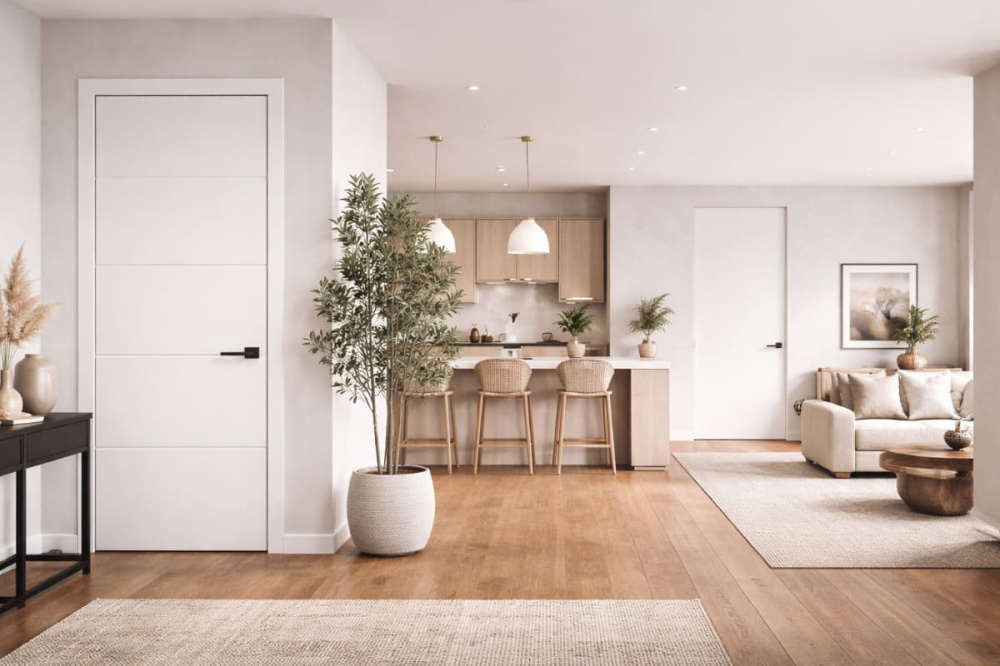
Minimalist interior door styles have gained exceptional popularity in 2026 due to their ability to simplify interiors without sacrificing sophistication. These doors focus on form, proportion, and material quality rather than decoration.
In minimalist homes, doors often appear almost invisible at first glance. This effect is achieved through flush surfaces, subtle detailing, and color coordination with surrounding walls. The result is an interior where doors support the architecture instead of competing with it.
Minimalist interior door styles are particularly attractive for homeowners who value order, calm, and visual clarity. By reducing visual noise, these doors allow spaces to feel larger, brighter, and more intentional.
Common features of minimalist interior door styles include:
- Smooth surfaces with no raised panels
- Muted tones or wall-matching finishes
- Precision craftsmanship and alignment
- Emphasis on symmetry and proportion
In 2026, minimalism continues to evolve, becoming warmer and more refined while maintaining its core principles of simplicity and purpose.
Frameless and Invisible Interior Door Styles for Seamless Interiors
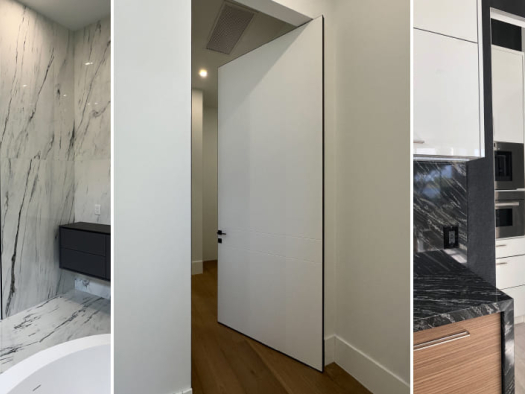
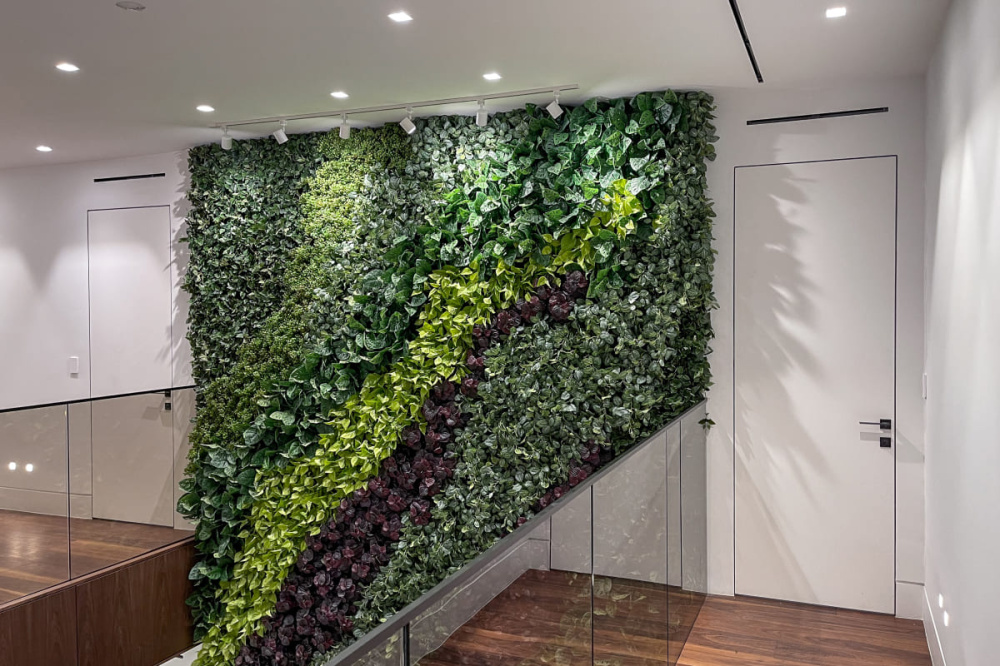
Frameless interior door styles, often referred to as invisible doors, represent one of the most sophisticated trends in American home design. These doors are designed to blend seamlessly into walls, creating uninterrupted surfaces and a highly architectural look.
Invisible interior doors are especially popular in modern and luxury homes where design continuity is a top priority. By eliminating visible frames and trims, these doors create a clean visual flow that enhances the overall interior composition.
Homeowners choose frameless door styles not only for aesthetics but also for their ability to make interiors feel more expansive. Without visual breaks, rooms appear larger and more cohesive.
“Invisible doors are not about hiding function — they are about elevating design.”
In 2026, frameless interior door styles are increasingly seen as a statement of refined taste, precision, and modern architectural thinking.
Classic Interior Door Styles with Timeless American Appeal
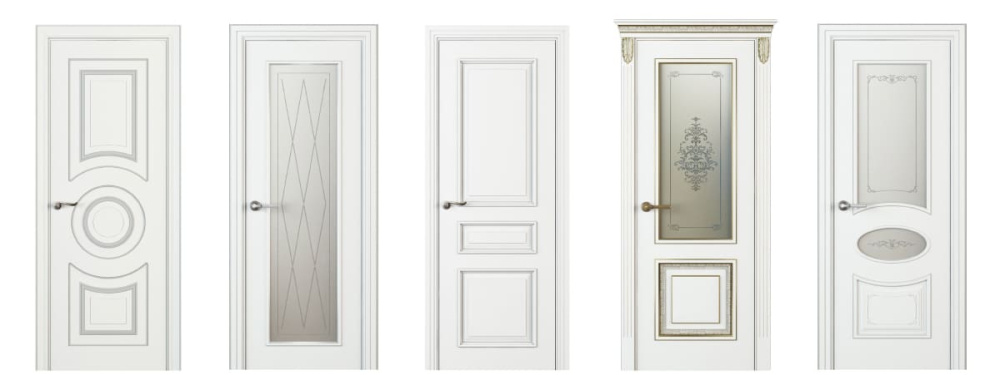
Classic interior door styles remain highly relevant in American homes, even as modern trends continue to evolve. In 2026, classic designs are not viewed as outdated — instead, they are appreciated for their balance, symmetry, and long-term aesthetic stability. These styles are especially popular among homeowners who value elegance without excessive ornamentation.
Classic interior doors often feature refined paneling, carefully proportioned lines, and subtle detailing that complements traditional and transitional interiors. They work particularly well in homes where architectural harmony and consistency are priorities. Rather than dominating a space, classic door styles support it with quiet confidence.
Many American homeowners choose classic interior door styles because they age gracefully. While trends may shift, classic doors maintain their relevance over time, making them a safe and intelligent design investment. This longevity is especially important for homeowners focused on long-term value rather than short-lived trends.
In 2026, classic interior door styles are frequently updated with modern finishes and cleaner profiles, allowing them to blend seamlessly into contemporary interiors while preserving their traditional character.
Royal Interior Door Styles and Refined Interior Elegance
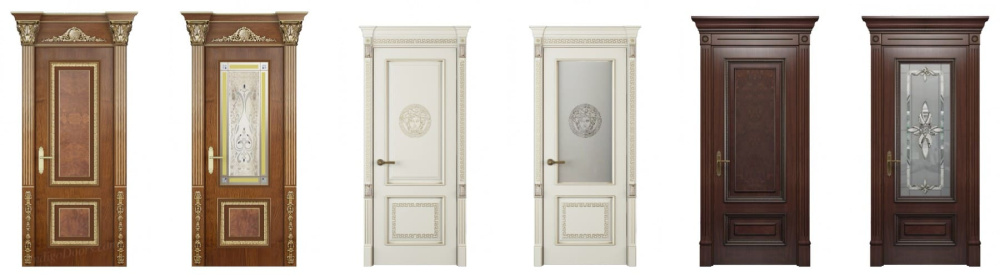
Royal-inspired interior door styles represent a more expressive and prestigious approach to interior design. These doors are designed to make a statement, combining rich detailing with a sense of architectural importance. In American homes, royal door styles are often chosen for formal spaces such as living rooms, dining areas, or master suites.
Rather than appearing overly decorative, modern royal interior doors in 2026 emphasize controlled elegance. Their design focuses on balance, depth, and refined proportions rather than excessive ornamentation. This makes them suitable even for contemporary interiors when applied thoughtfully.
Royal interior door styles appeal to homeowners who want their interiors to convey sophistication and status. They create a sense of presence and permanence, reinforcing the idea that interior doors are not merely functional components but part of the home’s identity.
When integrated correctly, royal door styles elevate the overall atmosphere of a home, adding character without overwhelming the surrounding design elements.
How Interior Door Styles Reflect Personal Taste and Lifestyle
Interior door styles are increasingly seen as a reflection of personal taste rather than purely architectural necessity. In 2026, American homeowners are more intentional than ever about how their interiors communicate lifestyle, values, and design preferences.
Minimalist door styles often appeal to homeowners who prioritize clarity, organization, and calm environments. Classic styles, on the other hand, are frequently chosen by those who value tradition, structure, and timeless aesthetics. Royal designs tend to resonate with individuals who appreciate expressive interiors and refined detail.
Choosing interior door styles today is about alignment — aligning doors with how spaces are used, how often they are seen, and what emotional response they should evoke. This makes door selection a deeply personal design decision.
Common lifestyle-driven considerations include:
- Visual simplicity versus decorative presence
- Openness versus defined boundaries
- Timeless design versus expressive character
- Long-term consistency across the home
Interior door styles quietly communicate who lives in the home and how they experience it.
Interior Door Styles Based on Materials and Surface Finishes
Material choice plays a critical role in defining interior door styles, particularly in the U.S. market. In 2026, homeowners pay close attention not only to design but also to how doors feel, look, and interact with light throughout the day.
Smooth surfaces are especially popular in modern and minimalist interiors, where visual clarity is essential. Subtle textures and refined finishes add depth without disrupting clean design lines. These material-driven choices influence how doors age and how they respond to daily use.
American homeowners often prefer interior door styles that balance durability with refined appearance. Materials are selected not only for aesthetics but also for their ability to maintain visual quality over time in different climates, including warmer regions like Florida.
The right material and finish can transform a simple door style into a defining design feature, reinforcing the overall architectural vision of the home.
Color Trends Shaping Interior Door Styles in 2026
Color has become one of the most powerful tools in defining interior door styles. In 2026, American homes move beyond standard white doors, embracing a wider palette that supports both modern and classic interiors and allows doors to play a more expressive architectural role.
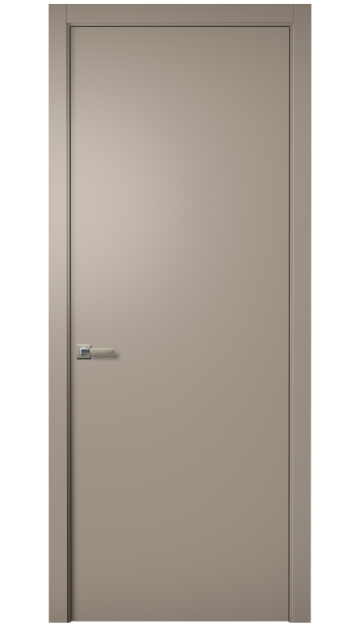
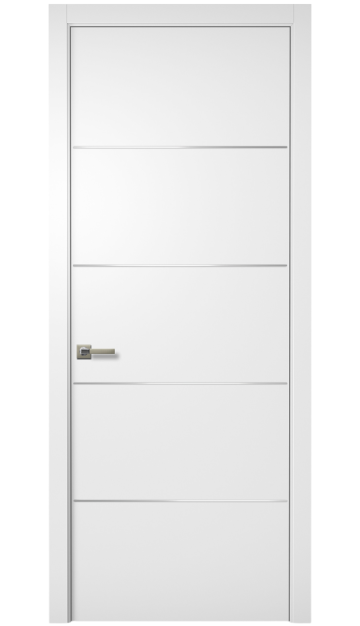
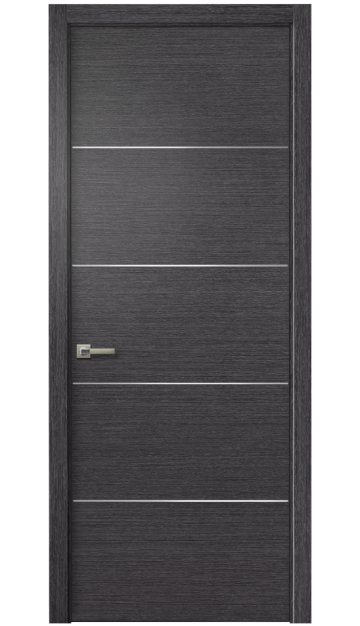
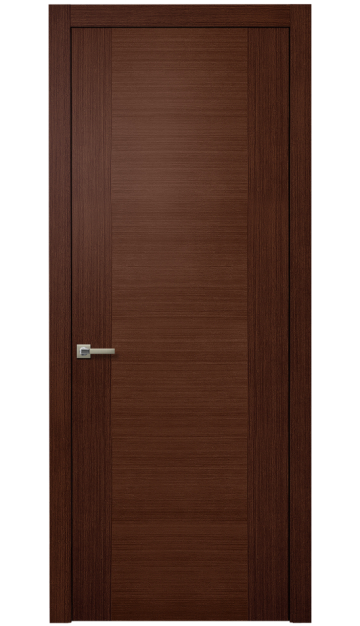
Neutral tones remain dominant, but they are now warmer and more nuanced. Soft whites, muted grays, and natural wood-inspired finishes help doors integrate seamlessly into interior spaces, while darker shades such as deep charcoal or black are used selectively to create contrast and visual depth.
Color selection is no longer isolated — it is part of a broader design strategy that considers walls, floors, natural light, and overall spatial balance. Interior door styles are chosen either to visually disappear into the background or to become subtle focal points that support the interior concept.
“Color transforms interior doors from functional elements into architectural statements.”
For homeowners and designers looking to explore this topic in greater depth, more useful insights about trending interior door colors can be found in the article Top Interior Door Colors That Are Dominating Pinterest in 2026, which highlights the most influential color choices shaping American interiors this year.
In 2026, thoughtful color decisions enhance both the emotional and visual impact of interior door styles, reinforcing their role as an essential element of modern home design.
Interior Door Styles for Bedrooms Living Rooms and Home Offices
Different rooms require different interior door styles to support their specific functions. Bedrooms, living rooms, and home offices each benefit from tailored design approaches that balance privacy, aesthetics, and flow.
Bedroom doors often prioritize calm and comfort, using understated styles that support rest and relaxation. Living room doors, when present, are more expressive and integrated into the overall design narrative of the home. Home office doors focus on separation and focus while maintaining visual continuity.
When selecting interior door styles by room, homeowners commonly consider:
- The level of privacy required
- Visual connection to adjacent spaces
- Natural light interaction
- Overall design consistency
By aligning door styles with room function, homeowners create interiors that feel intentional, comfortable, and cohesive.
How to Choose Interior Door Styles for Long Term Value
Selecting interior door styles is not only about current trends but also about future relevance. In 2026, American homeowners increasingly think in terms of longevity, resale value, and adaptability.
Doors that follow clear design principles — balance, proportion, and quality — tend to remain visually relevant longer than trend-driven alternatives. This makes thoughtful door selection an investment in the home’s long-term appeal.
Choosing interior door styles that align with the architectural character of the home ensures consistency and reduces the risk of visual dissonance over time. This approach supports both daily enjoyment and future market value.
Ultimately, the most successful interior door styles are those that feel natural within the space rather than forced by short-term fashion.
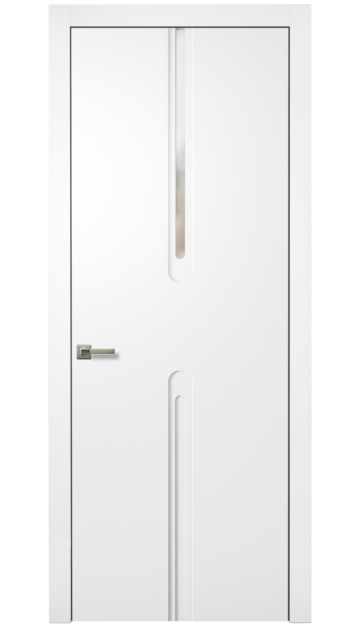
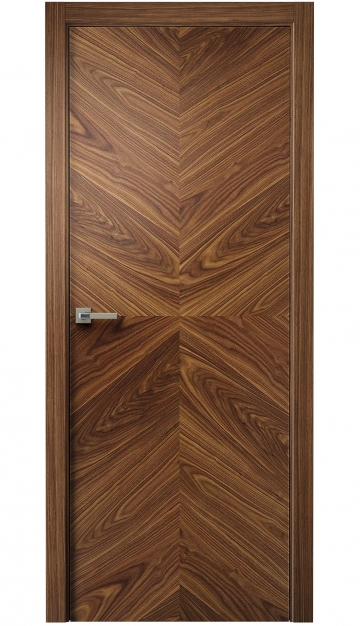
Interior Door Styles as a Design Signature of Indigo Doors
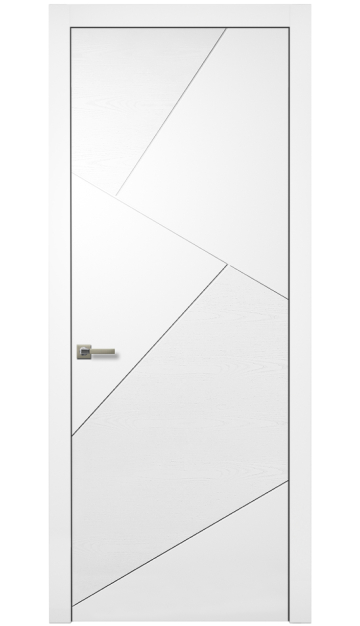
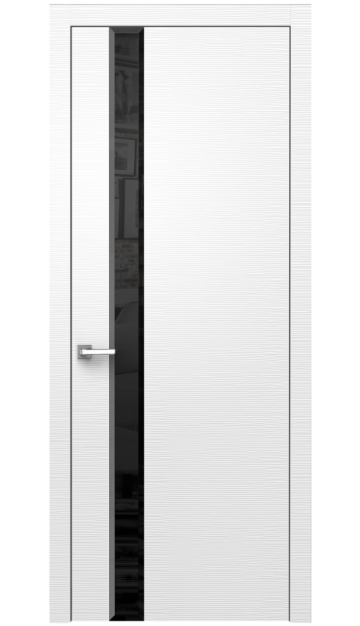
Interior door styles are at the core of what defines a well-designed American home, and this philosophy is central to Indigo Doors. With a focus on modern, classic, royal, and frameless door collections, the brand reflects the evolving needs of homeowners across the United States.
Based in Florida and serving the U.S. market, Indigo Doors designs interior doors that balance architectural precision with aesthetic versatility. Each style is developed to integrate seamlessly into contemporary American interiors while offering long-term design relevance.
By offering a curated range of interior door styles, Indigo Doors supports homeowners and designers in creating spaces that feel cohesive, refined, and intentional. Doors are not treated as secondary elements but as integral components of interior architecture.
In 2026, interior door styles continue to define how homes are experienced — and the right choices transform everyday spaces into thoughtfully designed environments.