
- Modern Flush Door Styles for Minimalist Interiors
- Classic Panel Door Styles with Modern Refinement
- Frameless Invisible Door Styles for Seamless Architecture
- Glass Interior Door Styles for Light and Openness
- Wood Veneer and Natural Finish Door Styles
- High Gloss and Lacquered Door Styles for Contemporary Impact
- Statement Door Styles for Architectural Focus
- Matching Interior Door Styles to Home Architecture
- Why Interior Door Style Impacts Property Value
Interior doors are no longer just functional separators between rooms. In modern homes across the United States, they serve as architectural statements, reinforcing design identity, enhancing spatial flow, and increasing overall property value. Choosing the right interior door style for a modern home requires balancing aesthetics, durability, and long-term performance.
From minimalist flush panels to refined classic detailing, today’s interior door styles offer a wide range of possibilities. At Indigo Doors, we manufacture and supply premium interior doors nationwide from our Florida headquarters, offering Modern Interior Doors, Royal Collection, Frameless Doors Invisible Doors, and Classic Collection designs in multiple configurations.
Understanding how different styles influence the feel of a home helps homeowners and designers make confident decisions.
Modern Flush Door Styles for Minimalist Interiors
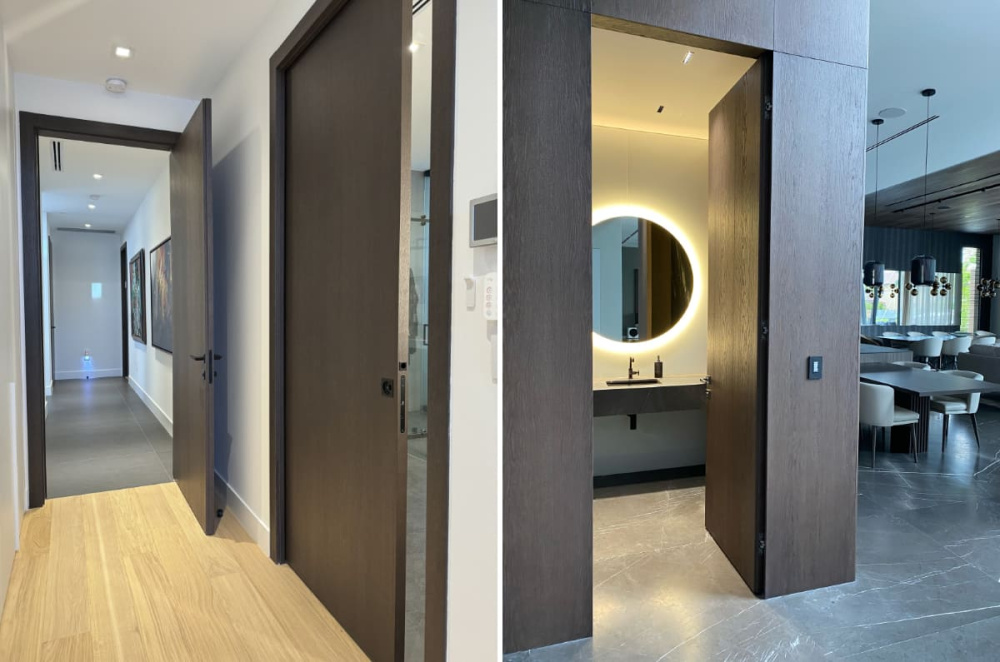
Flush interior doors are a cornerstone of contemporary design. Their smooth, flat surfaces eliminate decorative paneling, creating a clean and understated appearance.
These doors work especially well in:
-
Open-concept homes
-
Contemporary Florida residences
-
Luxury condos
-
Scandinavian-inspired interiors
Flush doors support seamless wall integration and pair effectively with concealed hinges or frameless systems. When finished in matte lacquer, eco-veneer, or wood veneer, they provide subtle texture without visual distraction.
Key characteristics of flush modern doors include:
-
Flat panel surface
-
Sharp geometric lines
-
Minimal hardware visibility
-
Neutral finish compatibility
“True modern design is defined by restraint and precision.”
Flush doors are ideal for homeowners who prioritize simplicity and architectural clarity.
Classic Panel Door Styles with Modern Refinement
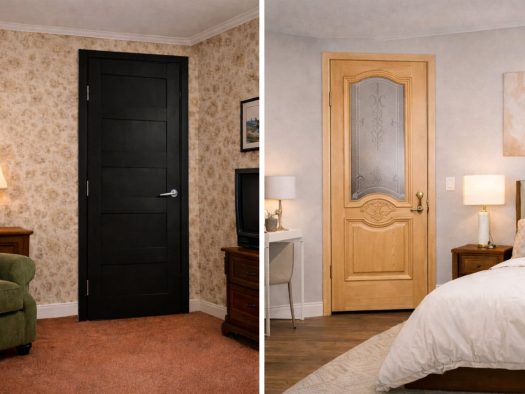
Classic panel doors remain highly relevant in modern homes when interpreted with clean proportions and refined detailing. Raised or recessed panels add depth and dimension while maintaining timeless appeal.
Classic styles are frequently selected for:
-
Transitional interiors
-
Mediterranean-style homes
-
Farmhouse-inspired designs
-
Traditional Florida residences
Panel configurations can vary from single-panel designs to more intricate multi-panel layouts. When paired with modern finishes and streamlined hardware, classic doors blend tradition with contemporary refinement.
Unlike purely minimalist doors, panel styles create visual rhythm along hallways and entryways.
Frameless Invisible Door Styles for Seamless Architecture
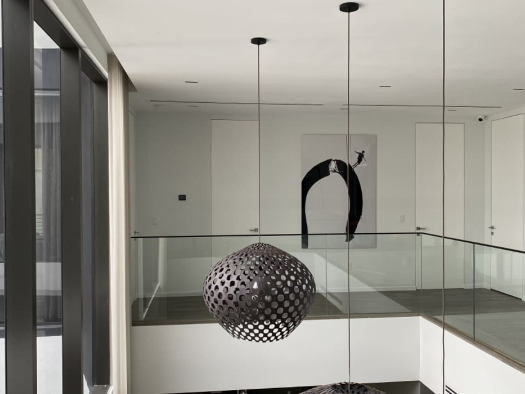
Frameless doors, often referred to as invisible doors, are designed to sit flush with the wall surface. Their concealed frames and hidden hinges allow the door to blend into the surrounding structure.
This style is increasingly popular in high-end modern interiors where:
-
Wall continuity is essential
-
Visual clutter must be minimized
-
Architectural geometry is emphasized
Frameless doors can be painted to match wall color or finished in subtle veneers to maintain cohesion.
Advantages of invisible door styles include:
-
Seamless wall integration
-
Minimal trim exposure
-
Contemporary aesthetic appeal
-
Enhanced spatial continuity
They are often chosen in luxury Florida homes where clean architectural lines define the design language.
Glass Interior Door Styles for Light and Openness
Glass interior doors introduce transparency and allow natural light to travel between rooms. In modern homes, this improves openness without sacrificing separation.
Glass door styles are commonly used in:
-
Studio apartments
-
Transitional spaces
Clear, frosted, or textured glass panels can be integrated into both modern and classic door frames. Frosted glass offers privacy while maintaining brightness.
Glass styles are especially effective in Florida homes, where natural sunlight enhances interior ambiance.
“Light is one of the most powerful design elements in any modern home.”
When properly engineered, glass interior doors provide durability alongside visual elegance.
Wood Veneer and Natural Finish Door Styles
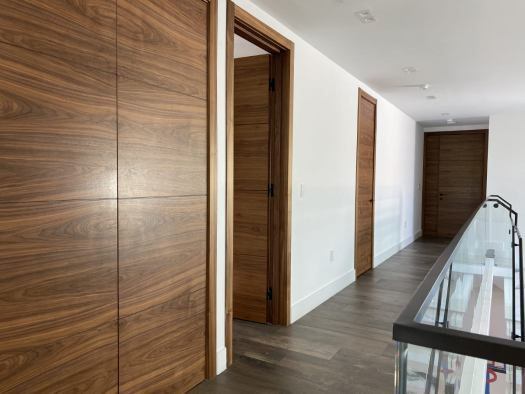
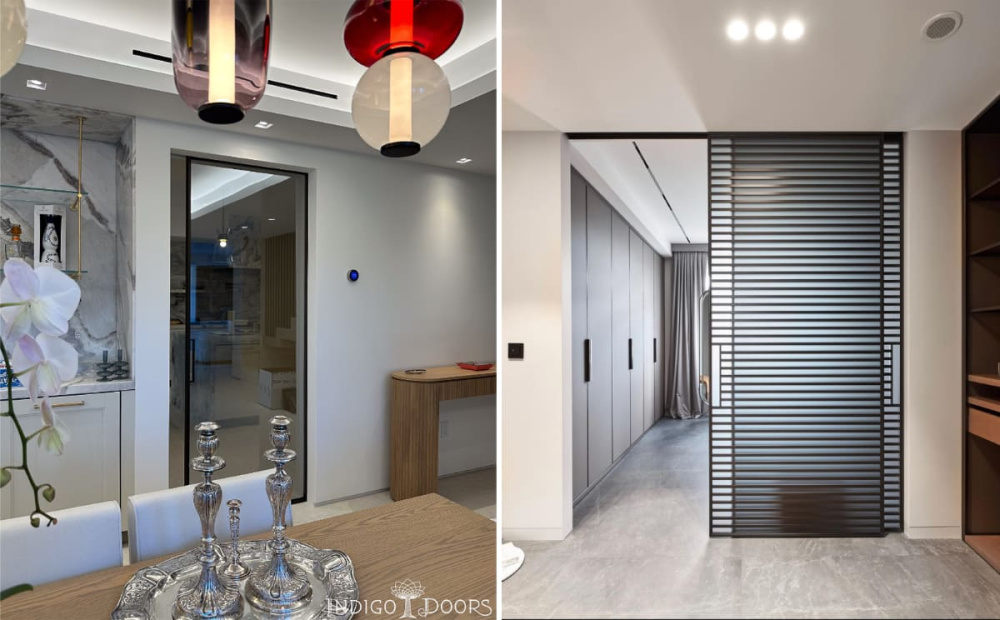
Natural wood veneer interior doors bring warmth and organic texture into modern spaces. While minimalism often favors neutral tones, incorporating wood finishes adds balance and comfort.
Popular veneer styles include:
Wood veneer doors complement modern interiors by softening hard surfaces such as concrete, glass, and stone. They are frequently used in open-plan homes to create subtle contrast.
This style works particularly well in contemporary coastal homes across Florida, where natural materials harmonize with bright, airy interiors.
High Gloss and Lacquered Door Styles for Contemporary Impact
High-gloss and lacquered interior doors offer a sleek, polished aesthetic. Their reflective surfaces create a sophisticated look that enhances modern architecture.
These styles are ideal for:
-
Luxury urban residences
-
High-end condominiums
-
Minimalist modern homes
-
Statement entry points
Gloss finishes reflect light, making rooms appear brighter and more spacious. They pair effectively with frameless systems and concealed hardware for a refined finish.
However, selecting high-quality manufacturing is essential to ensure surface durability and long-term resistance to wear.
Statement Door Styles for Architectural Focus
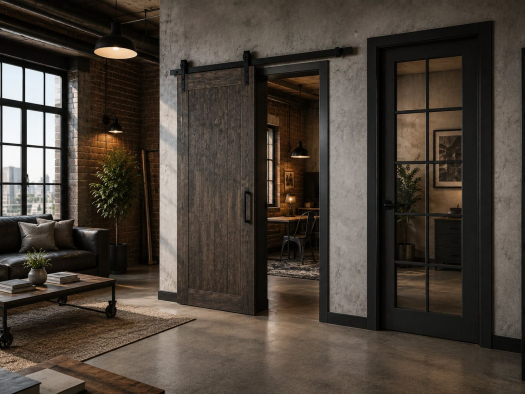
In some modern homes, the interior door becomes a focal element rather than a subtle background feature. Oversized panels, pivot configurations, and bold finishes contribute to this effect.
Statement door styles often include:
-
Tall pivot doors
-
Contrasting color finishes
-
Metal-accent detailing
-
Custom textured panels
These designs create visual drama while maintaining functional performance. When thoughtfully integrated, they elevate the overall perception of the space.
Matching Interior Door Styles to Home Architecture
Selecting the right interior door style requires alignment with the home’s architectural framework.
Consider the following factors:
-
Ceiling height
-
Wall finish type
-
Trim and molding presence
-
Lighting conditions
-
Overall design language
Minimalist homes typically favor flush or frameless styles. Transitional homes often blend classic panel doors with modern finishes. Contemporary luxury residences may combine pivot systems with glass or high-gloss surfaces.
Choosing a consistent style throughout the home creates visual harmony and increases design cohesion.
Why Interior Door Style Impacts Property Value
High-quality interior door styles influence not only aesthetics but also perceived home value. Buyers immediately notice premium doors, especially when finishes and hardware reflect craftsmanship.
Important considerations include:
-
Material quality
-
Engineering precision
-
Surface durability
-
Long-term performance
At Indigo Doors, we manufacture and supply Modern Interior Doors, Royal Collection, Frameless Doors Invisible Doors, and Classic Collection interior doors in multiple configurations including swing, double swing French, pocket, barn, bypass, bi-fold, pivot, roto, and Magic systems.
From our Florida headquarters, we serve homeowners and designers nationwide across the United States. Selecting the right interior door style ensures that design sophistication, functionality, and durability work together to define modern living spaces.