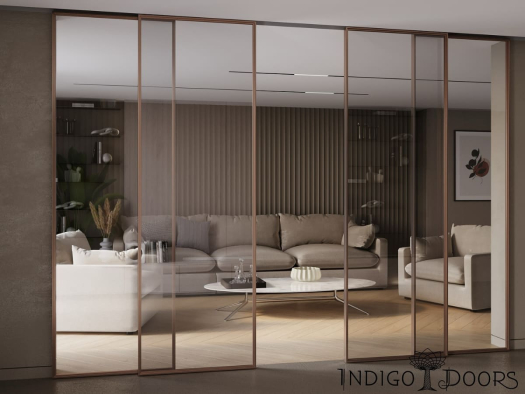

- Why Barn Doors and Traditional Doors Are Still Compared Today
- What Defines Barn Doors in Interior Design
- Traditional Interior Doors as a Functional Standard
- Visual Impact Barn Doors vs Traditional Interior Doors
- How Each Door Type Affects Privacy and Comfort
- Space Usage and Layout Considerations
- Barn Doors in Modern Homes Are They Still Relevant
- Traditional Interior Doors and Long Term Practicality
- Comparing Barn Doors and Traditional Doors for Different Rooms
- Which Option Is More Practical for Modern Living
- Interior Door Styles and Design Philosophy at Indigo Doors
Why Barn Doors and Traditional Doors Are Still Compared Today
Barn doors once surged in popularity as a bold alternative to conventional interior doors. Their rustic charm and sliding design quickly became a recognizable feature in modern American homes. Years later, homeowners continue to compare barn doors with traditional interior doors to determine whether they remain a practical choice in 2026.
Traditional interior doors, by contrast, represent familiarity and architectural consistency. They have been used for generations and continue to define interior spaces through structure, proportion, and clear separation between rooms.
The comparison between barn doors and traditional interior doors is no longer just about style. It is about functionality, long-term usability, and how each option fits modern living patterns. This makes the question of practicality more relevant than ever.
Design trends may change, but everyday functionality always remains a priority.
What Defines Barn Doors in Interior Design
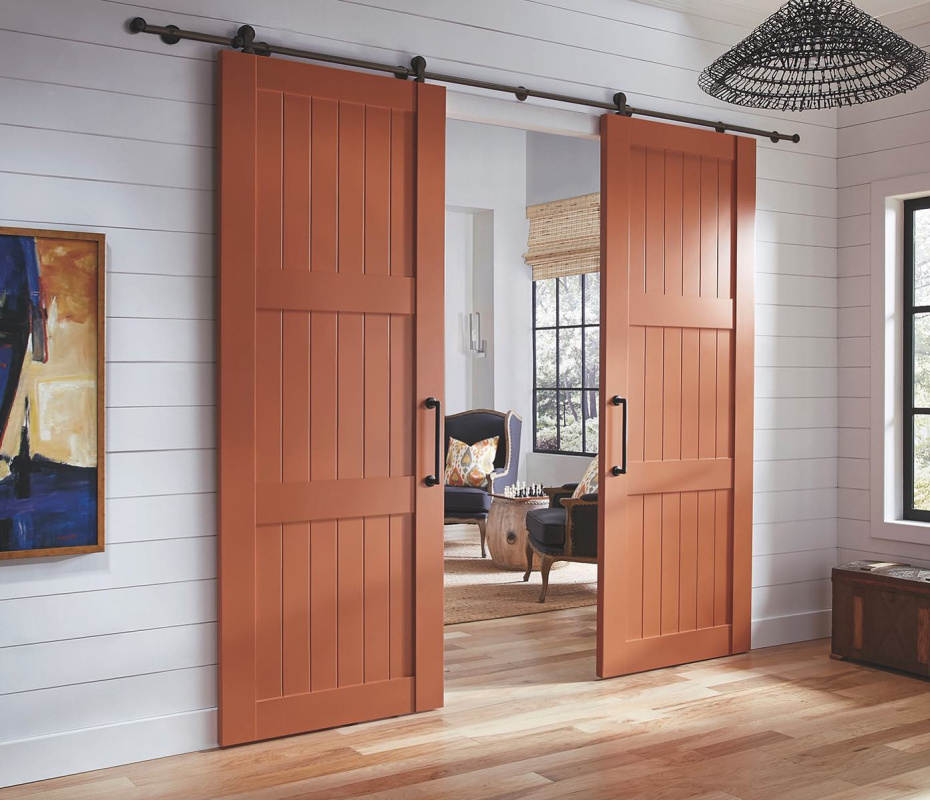
Barn doors are sliding interior doors inspired by agricultural and industrial design. In residential interiors, they are typically mounted externally and slide along a visible track, becoming a prominent visual feature within a room.
In modern homes, barn doors are often chosen for their expressive character. They add texture, movement, and a sense of informality that contrasts with more structured interior elements. This has made them especially popular in farmhouse, rustic, and industrial-inspired interiors.
However, barn doors are not purely decorative. Their sliding nature changes how space is used and perceived, which directly affects their practicality in everyday living.
In 2026, barn doors are viewed less as a universal solution and more as a stylistic choice that works best in specific design contexts.
Traditional Interior Doors as a Functional Standard
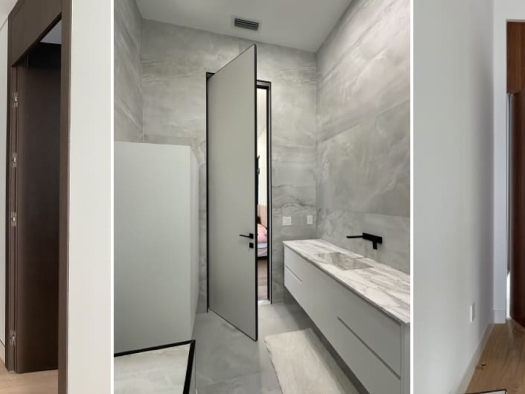
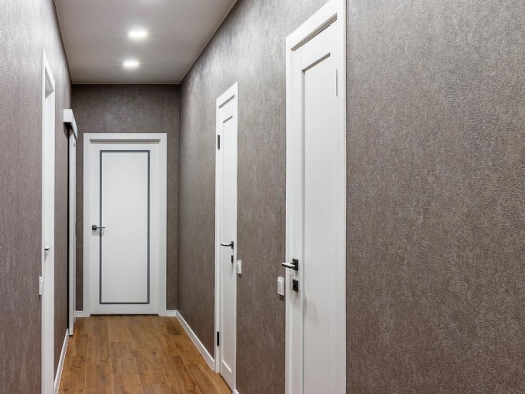
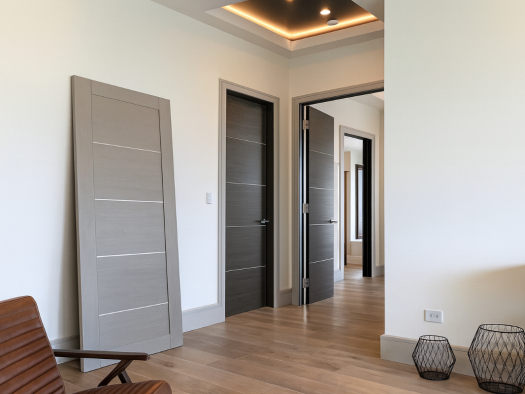
Traditional interior doors are defined by hinged operation, visible frames, and clear separation between rooms. Their design has remained consistent because it effectively supports privacy, sound control, and spatial organization.
In American homes, traditional doors are valued for their reliability and versatility. They work across nearly all architectural styles and room types, from bedrooms and bathrooms to living spaces and offices.
Traditional interior doors also provide a sense of permanence. Their presence reinforces room boundaries and supports structured layouts, which many homeowners still prefer.
While they may appear less visually expressive than barn doors, traditional doors continue to set the standard for practicality in residential interiors.
Visual Impact Barn Doors vs Traditional Interior Doors
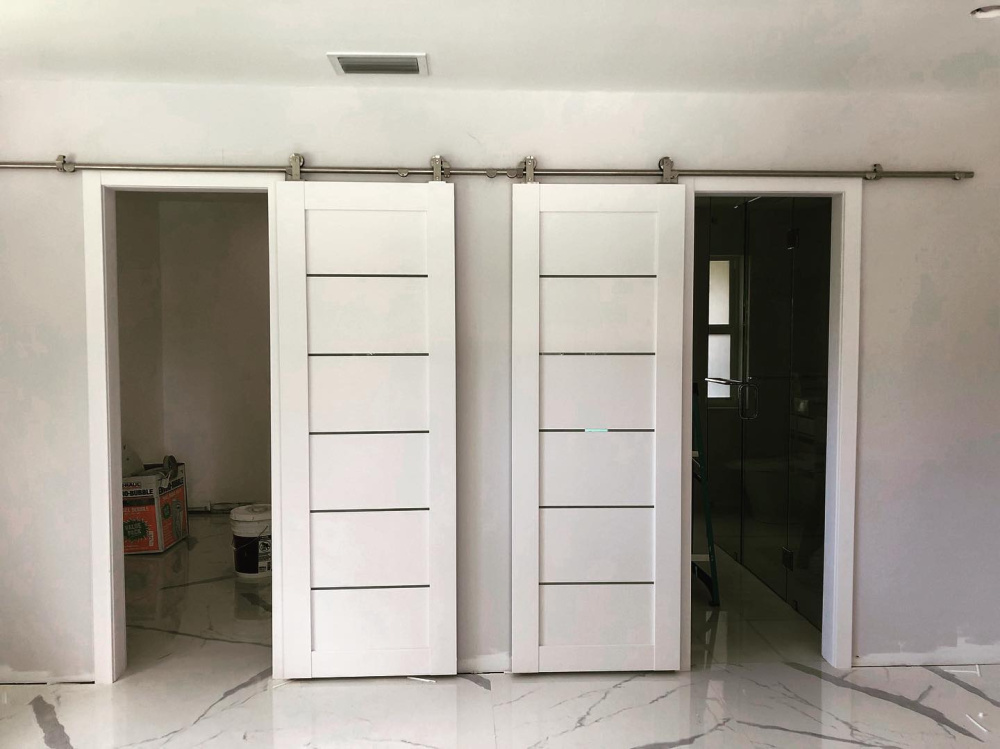
Visually, barn doors and traditional interior doors create very different impressions. Barn doors are intentionally noticeable. Their tracks, hardware, and surface textures become part of the interior design.
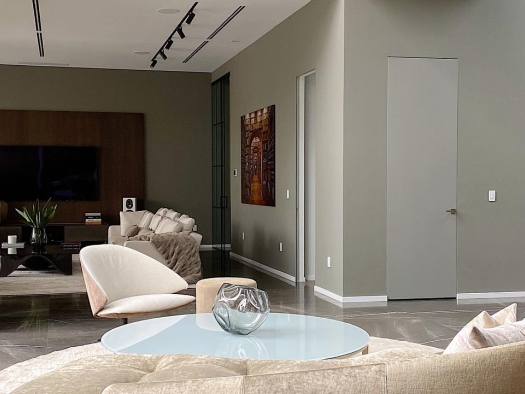
Traditional doors are more restrained. They frame spaces without demanding attention, allowing walls, furniture, and finishes to define the room’s character.
In modern homes, this difference affects how balanced or dramatic an interior feels. Barn doors introduce personality and contrast, while traditional doors promote visual calm and continuity.
“The door you choose often determines whether a space feels expressive or composed.”
Choosing between these options depends on whether a homeowner wants doors to stand out or quietly support the interior design.
How Each Door Type Affects Privacy and Comfort
Privacy is one of the most important practical considerations when comparing barn doors vs traditional interior doors. Traditional doors close fully and create a clear physical barrier between rooms.
Barn doors, due to their sliding nature, often leave gaps along edges. This can reduce acoustic privacy and limit their effectiveness in spaces where separation is essential.
For shared living areas, this difference may not be critical. For bedrooms or workspaces, however, it can significantly impact comfort and usability.
From a functional perspective, traditional interior doors generally provide a higher level of privacy and containment than barn doors.
Space Usage and Layout Considerations
Barn doors and traditional doors interact with space in fundamentally different ways. Barn doors slide along walls, which means the adjacent wall surface must remain clear.
Traditional doors swing inward or outward, requiring clearance but allowing walls to be fully used for furniture or décor when doors are open.
In modern interiors, both approaches have advantages depending on layout. Barn doors can eliminate door swing in tight areas, while traditional doors offer more flexibility in wall usage.
Key layout considerations include:
- Wall space availability
- Furniture placement flexibility
- Room function and traffic flow
- Visual balance within the space
Understanding these factors is essential when evaluating long-term practicality.
Barn Doors in Modern Homes Are They Still Relevant
In 2026, barn doors are no longer a novelty, but they are also no longer a default modern solution. Their relevance depends heavily on design intent and room function.
Barn doors continue to work well in casual, open, or design-forward interiors where personality is valued over strict separation. They are often used to visually divide spaces without fully enclosing them.
However, many homeowners now approach barn doors with greater selectivity. Rather than using them throughout a home, they are applied sparingly to maintain balance.
Barn doors are most effective when treated as accents rather than standards.
Traditional Interior Doors and Long Term Practicality
Traditional interior doors maintain strong relevance because they adapt easily to changing interior trends. Their design is neutral enough to support evolving styles without feeling outdated.
From a practical standpoint, traditional doors offer consistency, privacy, and predictable performance. These qualities are especially important in homes designed for long-term living rather than short-term trends.
In 2026, many homeowners prioritize interior door styles that will remain appropriate for years. Traditional doors often meet this expectation more reliably than expressive alternatives.
Their enduring practicality explains why they continue to dominate residential interiors despite the rise of alternative door types.
Comparing Barn Doors and Traditional Doors for Different Rooms
Different rooms place different demands on interior doors. Barn doors often work best in spaces where full separation is not critical, such as informal living areas or secondary rooms.
Traditional doors are generally better suited for rooms that require privacy, quiet, or consistent boundaries.
A common room-based comparison includes:
- Living areas where barn doors add character
- Bedrooms where traditional doors offer privacy
- Home offices where sound control matters
- Transitional spaces where either option may work
This functional approach helps homeowners avoid purely trend-driven decisions.
Which Option Is More Practical for Modern Living
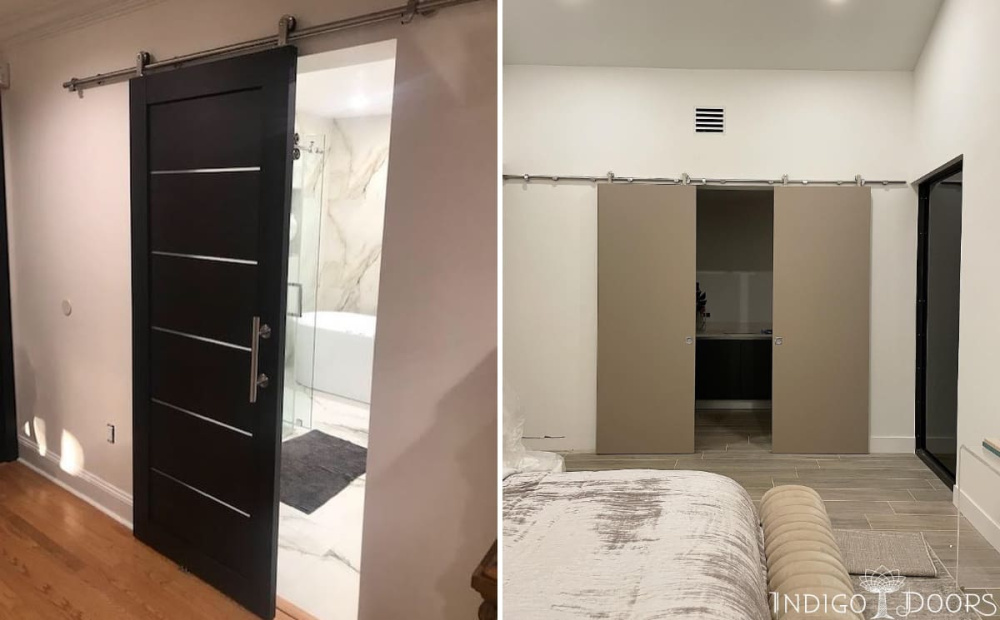
When asking whether barn doors or traditional interior doors are still practical, the answer depends on how modern living is defined. Practicality today includes comfort, adaptability, and visual harmony.
Barn doors offer style and flexibility but come with functional trade-offs. Traditional doors provide reliability and balance but may feel less expressive.
“Practical design is not about choosing trends, but choosing what supports daily life.”
For many modern homes, traditional interior doors remain the more universally practical solution, while barn doors serve as selective design features.
Interior Door Styles and Design Philosophy at Indigo Doors
At Indigo Doors, interior door styles are approached as architectural components rather than decorative afterthoughts. The focus is on balance, proportion, and long-term relevance within modern American homes.
Based in Florida and serving customers across the United States, Indigo Doors offers modern, classic, royal, and frameless interior doors designed to integrate seamlessly into contemporary interiors.
When comparing barn doors vs traditional interior doors, the right choice depends on context, lifestyle, and design intent. Thoughtfully selected doors elevate everyday spaces, supporting both aesthetic clarity and functional comfort.