
- Interior doors vs room dividers understanding the right solution for open layouts
- What are interior doors in modern open concept homes
- What are room dividers and how they work
- Privacy and sound control comparison
- Flexibility and adaptability in open spaces
- Design impact and visual aesthetics
- Space efficiency and layout considerations
- Cost and installation differences
- When to choose interior doors
- When room dividers make more sense
- Conclusion interior doors vs room dividers which one to choose
Interior doors vs room dividers understanding the right solution for open layouts
Open-concept homes have transformed how space is used in modern American interiors. Instead of clearly separated rooms, homeowners now prefer flexible layouts that can adapt to different needs throughout the day. However, this creates a key design question—should you use interior doors or room dividers to manage space?
Both options serve a similar purpose but function very differently. Interior doors provide a more permanent and structured solution, while room dividers offer flexibility and visual separation without full enclosure. The choice depends on how the space is used, how much privacy is required, and the overall design direction.
Another important factor is long-term value. Interior doors are typically seen as a more permanent upgrade, while room dividers are often considered temporary or decorative. Understanding these differences helps homeowners make a more informed decision.
In open spaces the goal is not just to divide but to control how the space adapts to your lifestyle
What are interior doors in modern open concept homes
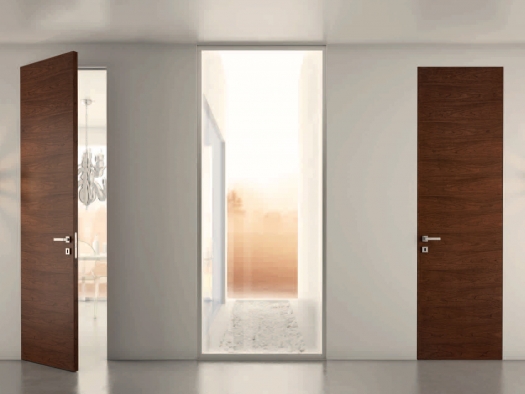
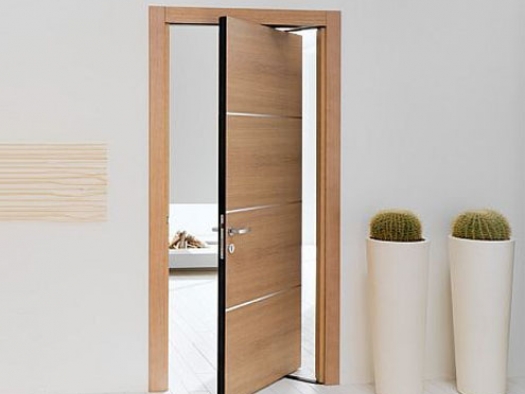
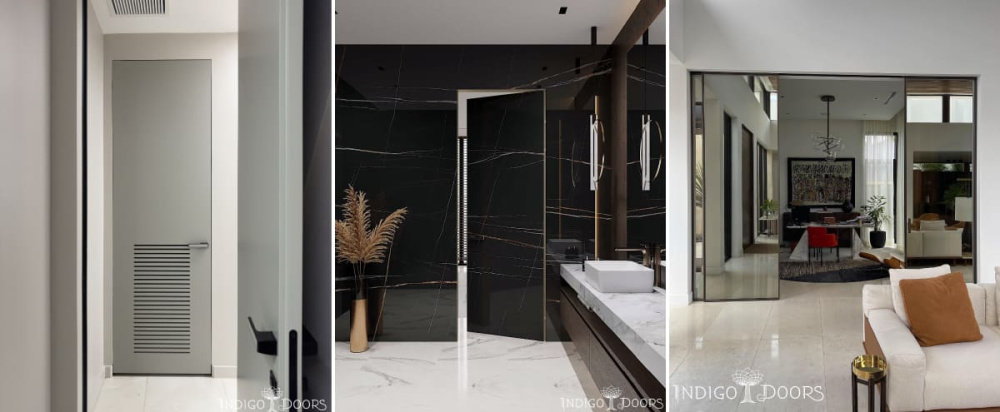
Interior doors in open layouts are no longer limited to traditional swing designs. Modern homes use a wide range of door systems, including sliding, pocket, pivot, and frameless doors, all designed to integrate with open spaces.
These doors provide the ability to fully close off a space when needed. This is especially important for areas such as home offices, guest rooms, or bedrooms where privacy and noise control are essential.
Another advantage is structural integration. Interior doors are built into the architecture of the home, making them a more permanent and reliable solution. When designed properly, they can blend seamlessly into the overall interior.
What are room dividers and how they work
Room dividers are non-permanent elements used to visually separate areas without creating a full barrier. They come in many forms, including folding screens, curtains, shelving units, and decorative panels.
Their main advantage is flexibility. They can be moved, adjusted, or removed entirely depending on the situation. This makes them appealing for renters or homeowners who prefer non-structural solutions.
However, room dividers typically do not provide full privacy. They may block sightlines, but they rarely offer effective sound insulation or complete separation.
Common types of room dividers include:
-
folding screens for portable separation
-
curtains for soft and flexible zoning
-
open shelving units for partial division
-
decorative panels for visual accents
Privacy and sound control comparison
One of the most important differences between interior doors and room dividers is the level of privacy they provide. Interior doors offer a much higher degree of separation, especially when built with solid materials and proper sealing.
Room dividers, on the other hand, are primarily visual tools. While they can create a sense of separation, they do not effectively block sound or light. This makes them less suitable for spaces where true privacy is required.
For homeowners working from home or needing quiet environments, this distinction becomes critical. Choosing the wrong solution can lead to discomfort and reduced usability of the space.
Key differences include:
-
interior doors provide strong sound insulation
-
room dividers offer limited acoustic control
-
doors create full separation while dividers do not
Flexibility and adaptability in open spaces
Flexibility is one of the main reasons homeowners consider room dividers. They allow spaces to change function quickly without structural modifications. For example, a living area can become a temporary workspace with minimal effort.
Interior doors also offer flexibility, but in a different way. Sliding or pocket doors can open and close spaces as needed, providing both openness and separation within the same layout.
The difference lies in permanence. Doors are integrated solutions, while dividers are movable and temporary. Each approach has its advantages depending on how often the space needs to change.
The best solution is not always the most flexible but the one that fits how you actually live every day
Design impact and visual aesthetics
Interior doors and room dividers contribute differently to the overall design of a home. Doors are part of the architectural structure, which means they influence how the space is perceived long term.
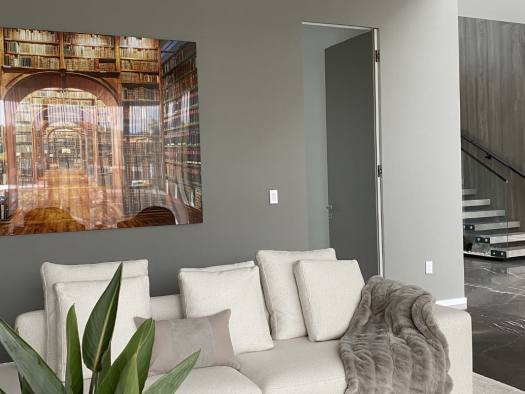
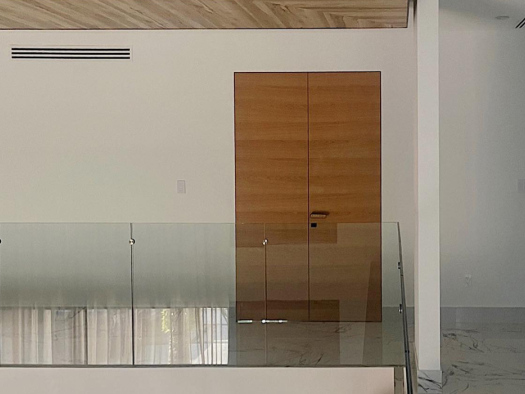
Modern interior doors can enhance design by adding clean lines, hidden transitions, or bold accents depending on the style. Frameless doors, for example, create a seamless look, while statement doors can act as focal points.
Room dividers, in contrast, are more decorative. They can add texture, color, or visual interest, but they often lack the cohesive integration that doors provide.
Space efficiency and layout considerations
In smaller homes or apartments, space efficiency is a major concern. Traditional swing doors can take up valuable floor space, which is why alternative door systems are often preferred.
Sliding and pocket doors are highly efficient because they do not require clearance to open. This makes them a strong alternative to both swing doors and bulky room dividers.
Room dividers can also be space-efficient, but this depends on the type. Folding screens and curtains are compact, while shelving units may take up significant space.
Common space-efficient solutions include:
-
pocket doors for minimal footprint
-
sliding doors for wide openings
-
curtains for flexible separation
Choosing the right option requires understanding how the space is used daily.
Cost and installation differences
Cost is another important factor when deciding between interior doors and room dividers. Room dividers are generally more affordable and easier to install because they do not require structural changes.
Interior doors, especially custom or modern systems, involve higher upfront costs. Installation may require professional work, particularly for sliding or pocket systems.
However, doors provide long-term value. They are considered part of the home’s structure and can increase property appeal. Room dividers, while cost-effective, are often seen as temporary solutions.
When to choose interior doors
Interior doors are the best choice when privacy, sound control, and long-term functionality are priorities. They are ideal for spaces that need to be fully separated, such as bedrooms, offices, or guest rooms.
They are also a better option for homeowners looking to increase property value. High-quality doors create a more finished and premium look that appeals to buyers.
In open-concept homes, modern door systems allow flexibility without sacrificing performance. This makes them a reliable solution for most residential applications.
When room dividers make more sense
Room dividers are a practical solution for situations where flexibility and simplicity are more important than full separation. They are ideal for temporary zoning or decorative purposes.
They work well in rental properties, studios, or spaces where permanent installation is not possible. They are also useful for adding visual interest without committing to structural changes.
However, they should not be relied on for spaces that require privacy or noise control, as their performance in these areas is limited.
Conclusion interior doors vs room dividers which one to choose
Choosing between interior doors and room dividers depends on how you use your space and what level of functionality you need. Interior doors provide structure, privacy, and long-term value, making them the preferred choice for most homeowners.
Room dividers offer flexibility and ease of use, but they are better suited for temporary or decorative solutions. They can complement a space but rarely replace the functionality of a proper door.
The best approach is to evaluate your lifestyle, layout, and priorities. When chosen correctly, either option can enhance your home—but for most open-concept interiors, well-designed interior doors deliver the strongest combination of performance and design.