
- Why Interior Door Styles Should Be Chosen Room by Room
- Understanding How Function Influences Interior Door Style
- Choosing Interior Door Styles for Living Rooms
- Selecting Interior Door Styles for Bedrooms
- Interior Door Styles for Home Offices and Workspaces
- Choosing Interior Door Styles for Kitchens and Dining Areas
- Interior Door Styles for Bathrooms and Utility Rooms
- Hallways and Transitional Spaces Door Style Considerations
- Balancing Consistency and Variation Across the Home
- How Interior Door Styles Influence Long Term Design Value
- Interior Door Style Selection Philosophy at Indigo Doors
Why Interior Door Styles Should Be Chosen Room by Room
Interior door styles influence far more than simple room separation. In modern American homes, doors shape how spaces function, connect, and feel on a daily basis. Choosing the same door style for every room may feel convenient, but it often overlooks the unique role each space plays.
Different rooms require different levels of privacy, openness, and visual emphasis. A door that works well in a living room may feel inappropriate in a bedroom or home office. For this reason, homeowners in 2026 increasingly approach door selection with a room-by-room strategy.
When interior door styles are aligned with room function, the entire home feels more intentional and cohesive. Rather than treating doors as background elements, modern design treats them as part of the architectural experience.
Thoughtful door selection begins with understanding how each room is used.
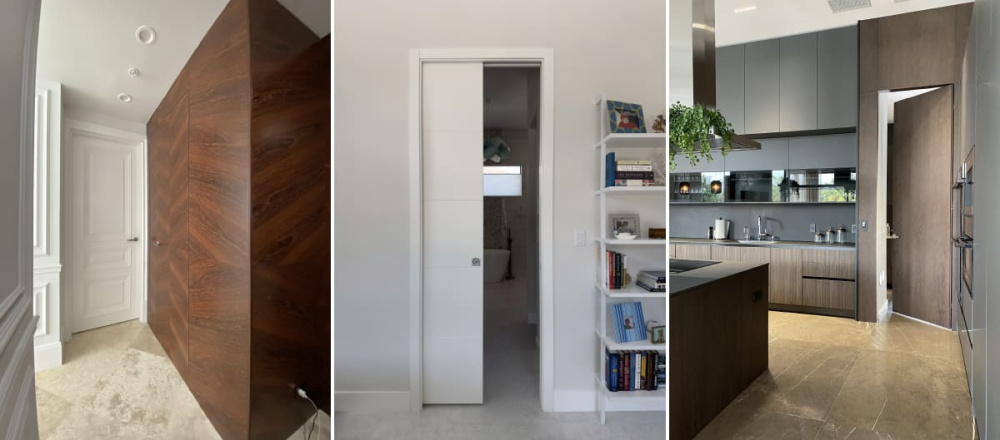
Understanding How Function Influences Interior Door Style
Function is the foundation of every interior door decision. Before considering design trends or finishes, it is essential to evaluate what each room needs to support daily life.
Rooms that require quiet, privacy, or separation demand different door styles than spaces designed for social interaction or openness. Interior door styles should respond to these needs rather than impose a uniform solution.
In American homes, this functional approach has become increasingly important as layouts grow more flexible. Homes now include multipurpose rooms, home offices, and hybrid living spaces that require adaptable door solutions.
Design follows function, and interior doors are no exception.
Choosing Interior Door Styles for Living Rooms
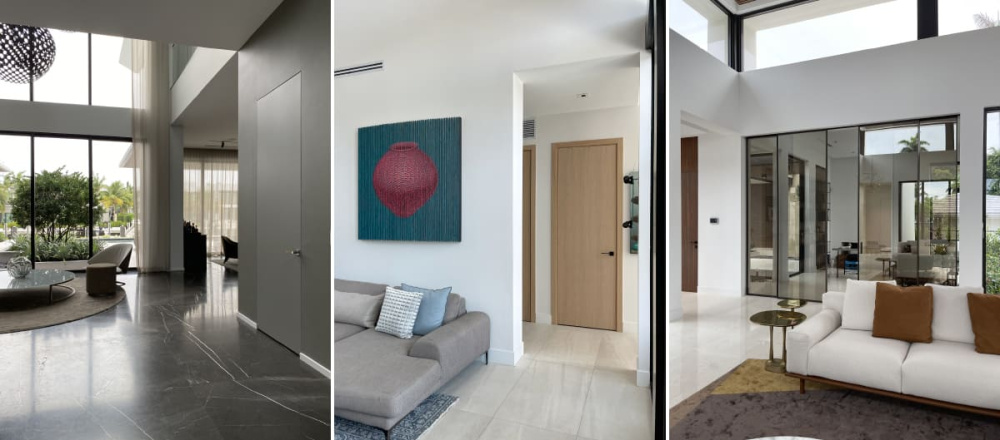
Living rooms are often the most visually open spaces in a home. Interior door styles used here should support flow, light, and visual continuity rather than interrupt the space.
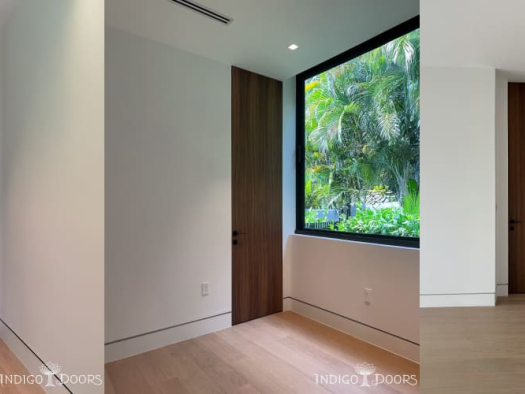
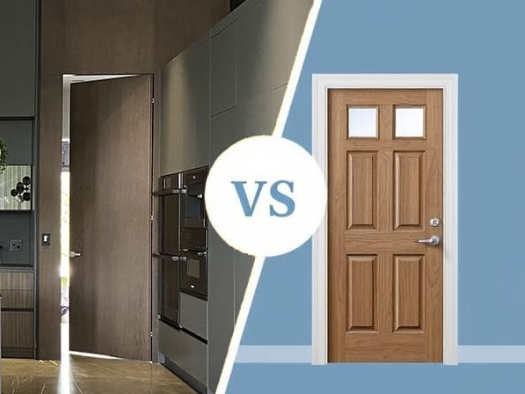
Modern living rooms often benefit from minimalist or frameless interior door styles that blend seamlessly into walls. When doors are present, they should feel integrated rather than dominant.
Living room doors may also serve as transitional elements connecting dining areas, hallways, or home offices. In these cases, subtle door designs maintain openness while still defining zones.
Key considerations for living room doors include:
- Visual integration with walls
- Support for natural light
- Compatibility with open layouts
- Architectural consistency
Selecting Interior Door Styles for Bedrooms
Bedrooms require a different approach. Privacy, comfort, and calm are primary priorities when choosing interior door styles for sleeping spaces.
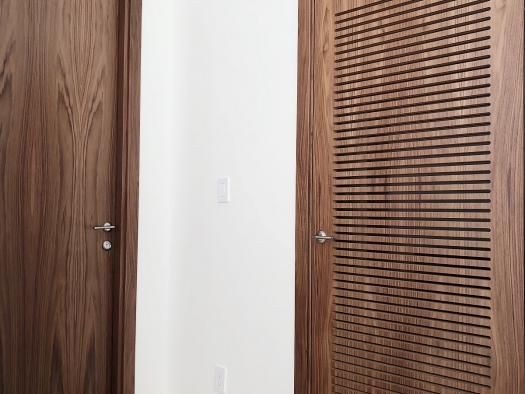
Traditional or flush interior doors are often preferred for bedrooms because they create a clear sense of separation. Their presence reinforces the bedroom as a private retreat within the home.
Design-wise, bedroom doors should not demand attention. Neutral finishes and balanced proportions help create a restful atmosphere without visual distraction.
The best bedroom doors feel protective rather than expressive.
Interior Door Styles for Home Offices and Workspaces
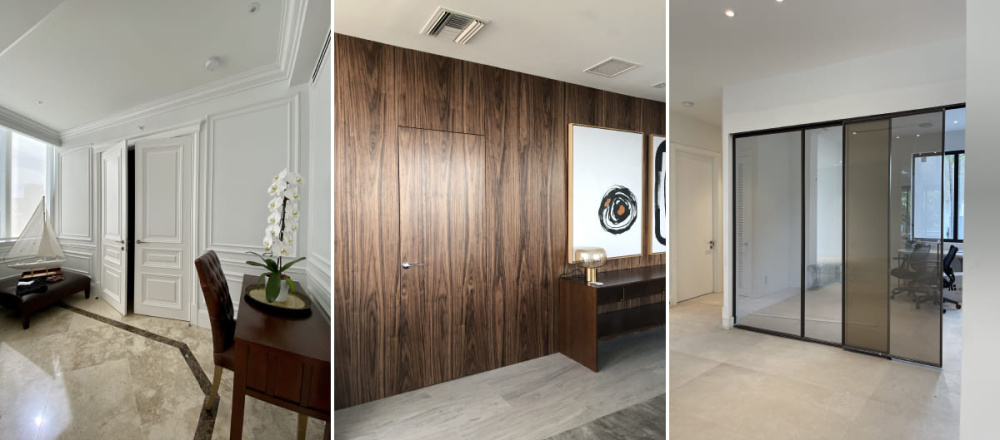
Home offices have become a permanent feature in many American homes. Interior door styles for workspaces must support focus, separation, and professionalism.
Doors used for home offices often strike a balance between openness and privacy. Styles that visually connect spaces while still signaling separation are increasingly popular.
In modern interiors, home office doors should align with the overall design language of the home while reinforcing the room’s functional importance.
Sound control, visual boundaries, and adaptability all influence door style selection for workspaces.
Choosing Interior Door Styles for Kitchens and Dining Areas
Kitchens and dining areas often sit at the intersection of openness and practicality. Interior door styles here should support movement and interaction without disrupting the flow of the home.
In many modern homes, kitchens remain visually open, limiting the need for traditional doors. When doors are used, they tend to be understated and visually light.
Dining areas benefit from door styles that preserve connection to adjacent spaces while allowing for occasional separation. Design harmony is especially important in these high-traffic areas.
Kitchen and dining doors should:
- Support easy circulation
- Maintain visual continuity
- Complement cabinetry and finishes
- Avoid visual heaviness
Interior Door Styles for Bathrooms and Utility Rooms
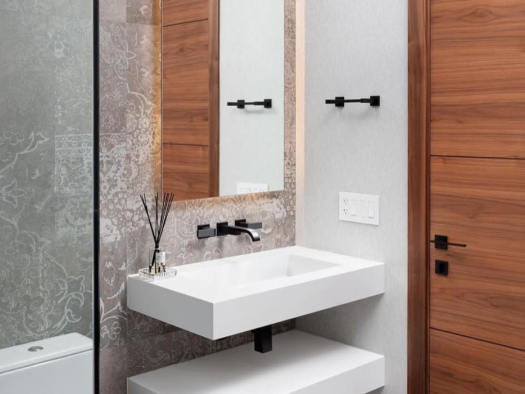
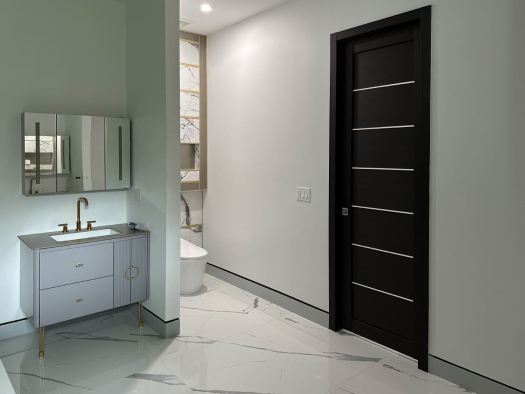
Bathrooms and utility rooms place the highest demands on privacy. Interior door styles for these spaces should clearly define boundaries and provide comfort.
Traditional interior doors remain a common choice for bathrooms due to their reliability and familiarity. Flush doors are also widely used in modern homes where simplicity is preferred.
Design for these rooms tends to be understated. Doors should feel discreet and functional rather than decorative.
In 2026, bathroom doors are selected primarily for comfort, privacy, and visual restraint.

Hallways and Transitional Spaces Door Style Considerations
Hallways and transitional areas connect the home’s primary spaces. Interior door styles in these areas should support movement and continuity rather than draw attention.
Frameless or minimalist doors are often used in hallways to reduce visual clutter. Their subtle presence helps maintain architectural flow across the home.
In longer corridors, consistent door styles create rhythm and balance. This reinforces a sense of order and intentional design.
Transitional spaces benefit most from visual calm.
Balancing Consistency and Variation Across the Home
One of the most common challenges homeowners face is deciding how consistent interior door styles should be across rooms. While consistency creates harmony, variation allows spaces to express their purpose.
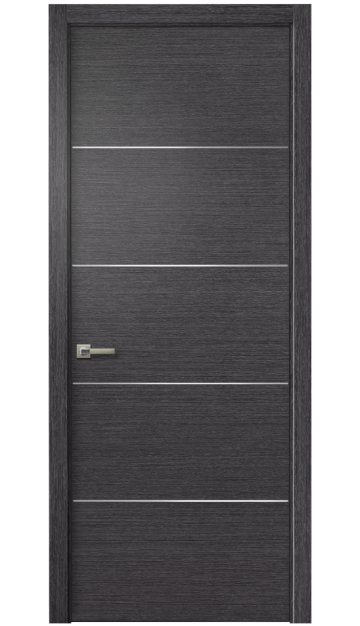
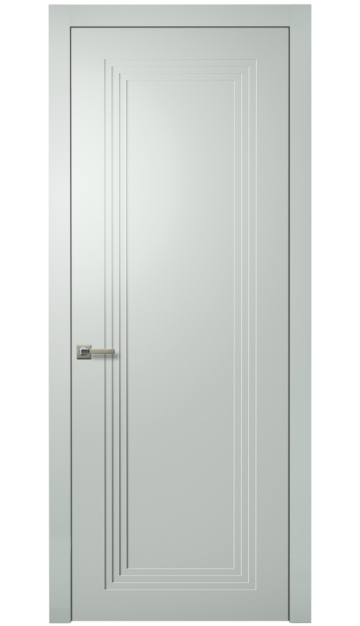
Modern homes often strike a balance by using one primary door style throughout the home and introducing variation in specific rooms. This approach preserves cohesion while responding to functional needs.
Common strategies include:
- One dominant style with subtle variations
- Neutral finishes across all rooms
- Strategic use of expressive doors in key spaces
- Alignment with architectural features
Consistency should feel intentional, not rigid.

How Interior Door Styles Influence Long Term Design Value
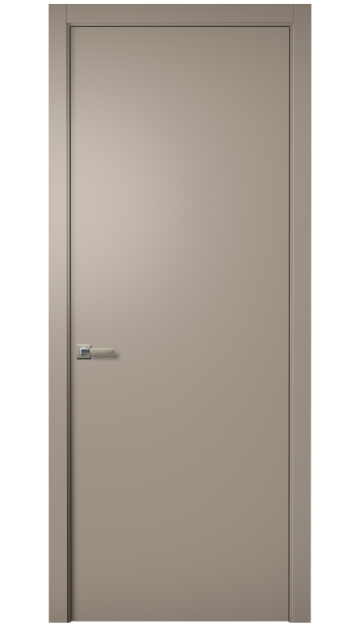
Choosing the right interior door style for each room also affects long-term design value. Doors that align with room function tend to remain relevant longer than trend-driven choices.
In American homes, buyers increasingly value interiors that feel practical, balanced, and adaptable. Door styles that support these qualities contribute to a home’s lasting appeal.
By selecting door styles thoughtfully, homeowners reduce the need for future updates and maintain visual coherence as interiors evolve.
Interior Door Style Selection Philosophy at Indigo Doors
At Indigo Doors, interior door styles are designed with room-specific functionality in mind. Each collection—modern, classic, royal, and frameless—supports different spatial needs within contemporary American homes.
Based in Florida and serving clients across the United States, Indigo Doors focuses on architectural balance, refined design, and long-term relevance rather than one-size-fits-all solutions.
Choosing the right interior door style for each room is about understanding how a home is lived in. When doors are selected intentionally, they elevate everyday spaces and create interiors that feel cohesive, functional, and thoughtfully designed.