
- The Growing Importance of Interior Door Styles in Modern Homes
- What Defines Frameless Interior Doors in Contemporary Design
- Traditional Interior Doors and Their Enduring Appeal
- Visual Impact Frameless vs Traditional Interior Doors
- How Frameless and Traditional Doors Shape Space and Flow
- Frameless Interior Doors in Minimalist and Modern Homes
- Traditional Interior Doors in Classic and Transitional Homes
- Comparing Design Flexibility and Long Term Relevance
- Mixing Frameless and Traditional Doors in One Home
- Choosing the Right Interior Door Style for Modern Homes
- Frameless and Traditional Interior Doors at Indigo Doors
The Growing Importance of Interior Door Styles in Modern Homes
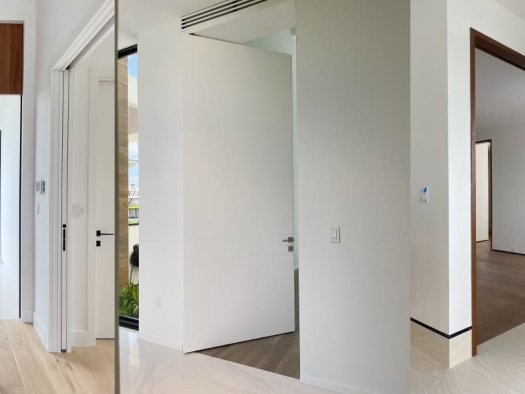
Interior door styles play an increasingly important role in modern home design. In contemporary American homes, doors are no longer treated as purely functional elements. Instead, they contribute to spatial perception, visual flow, and the overall architectural language of the interior.
As open layouts, minimalist aesthetics, and refined detailing continue to shape residential design in 2026, homeowners are paying closer attention to how interior doors interact with walls, ceilings, and light. This has led to a growing comparison between frameless interior doors and traditional doors.
Both options serve the same basic purpose, but their impact on modern interiors differs significantly. Understanding these differences helps homeowners make informed, design-driven decisions rather than relying on outdated habits or assumptions.
Interior doors quietly shape how a home feels, moves, and breathes.
What Defines Frameless Interior Doors in Contemporary Design
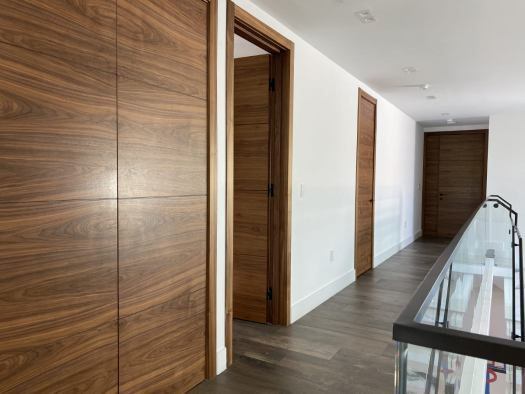
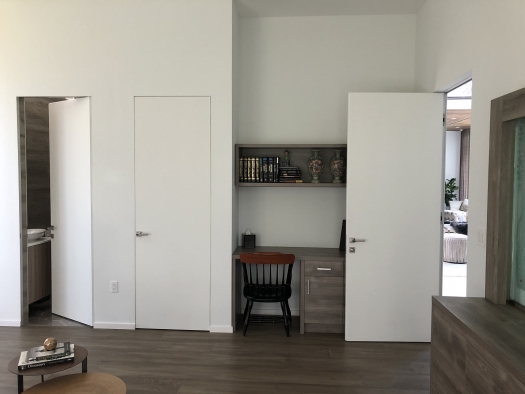
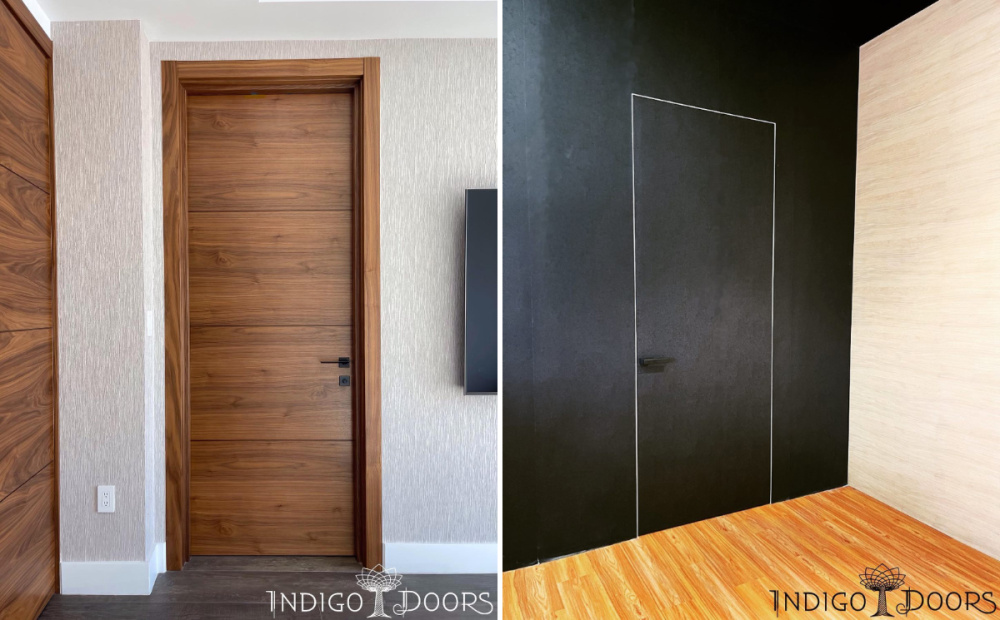
Frameless interior doors, often referred to as invisible doors, are designed to integrate seamlessly into wall surfaces. They eliminate visible frames, trims, and decorative elements, allowing the door to blend into the architecture rather than stand apart from it.
In modern homes, frameless doors are valued for their ability to create uninterrupted visual planes. When closed, they often appear as part of the wall, supporting clean lines and minimalist compositions. This makes them especially popular in contemporary and luxury interiors.
Frameless interior doors emphasize proportion, alignment, and surface quality. Their design relies on precision rather than decoration, which aligns perfectly with modern architectural principles focused on clarity and restraint.
In 2026, frameless interior doors are widely seen as a defining feature of modern interior door styles.
Traditional Interior Doors and Their Enduring Appeal
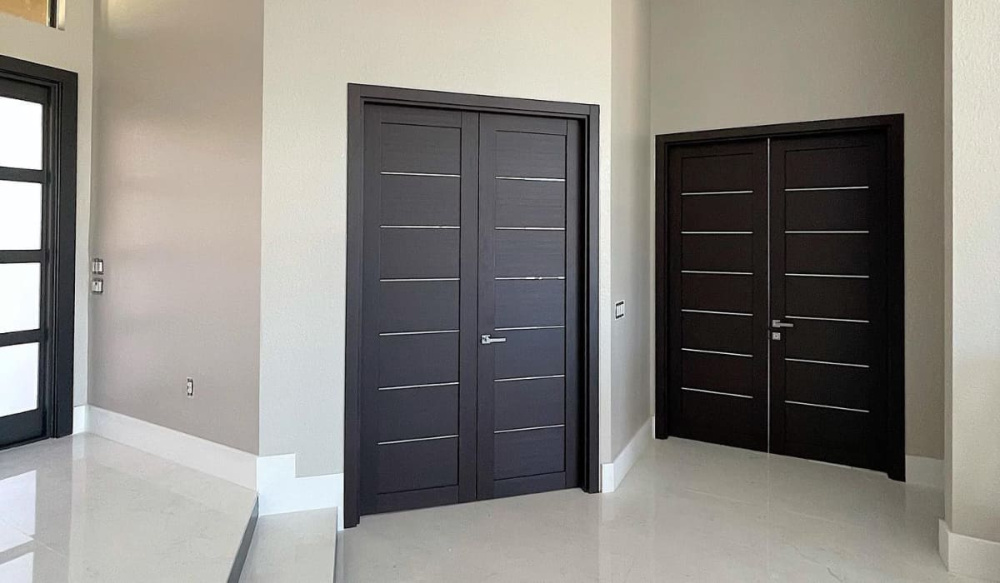
Traditional interior doors are characterized by visible frames, panels, and decorative detailing. These doors have been a standard feature in American homes for decades and remain widely used today.
Traditional doors often introduce structure, rhythm, and familiarity into interior spaces. Their design language is rooted in classic architecture, where doors act as visual anchors that define rooms clearly and distinctly.
Many homeowners continue to prefer traditional interior doors because they convey warmth, heritage, and a sense of permanence. Even in modernized homes, traditional doors are sometimes chosen to preserve architectural continuity.
However, as interior design evolves, traditional doors are increasingly evaluated in terms of how well they align with contemporary spatial concepts rather than tradition alone.
Visual Impact Frameless vs Traditional Interior Doors
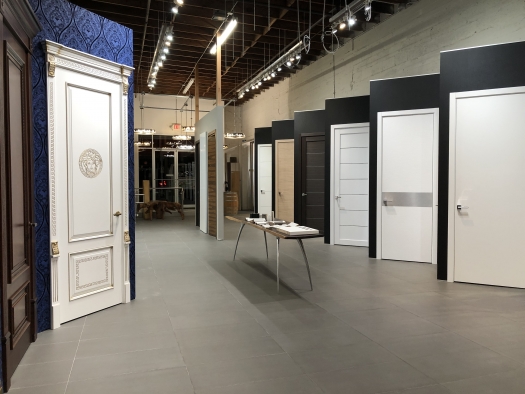
The most noticeable difference between frameless and traditional interior doors lies in their visual impact. Frameless doors minimize visual interruption, while traditional doors intentionally draw attention through frames and detailing.
In modern interiors, frameless interior doors tend to recede into the background, allowing walls, lighting, and furnishings to define the space. Traditional doors, by contrast, establish clear visual boundaries and become part of the room’s decorative composition.
This distinction becomes especially important in open-plan homes, where visual continuity is a priority. Frameless doors support uninterrupted sightlines, while traditional doors emphasize separation.
“The choice between frameless and traditional doors defines whether doors disappear or make a statement.”
Choosing the right approach depends on whether the design goal is architectural subtlety or visual presence.
How Frameless and Traditional Doors Shape Space and Flow
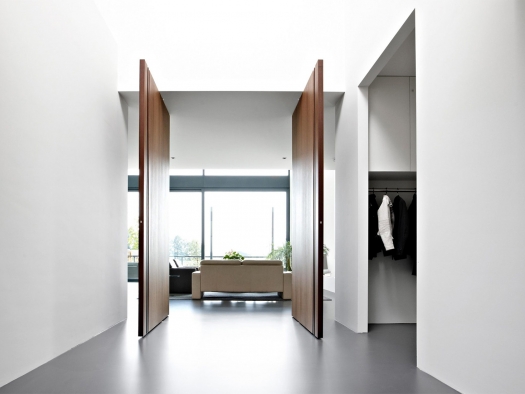
Interior door styles directly influence how spaces connect and how movement feels within a home. Frameless interior doors promote fluidity by reducing visual breaks between rooms. This creates a sense of openness even when doors are closed.
Traditional doors introduce clearer transitions. Their frames and panels signal movement from one space to another, reinforcing room boundaries and functional separation.
In modern homes, homeowners often prioritize flexible layouts that adapt to different activities throughout the day. Frameless doors support this flexibility by maintaining a consistent visual language across spaces.
Traditional doors, while less fluid, can enhance spatial hierarchy by clearly defining private and shared areas.
Key spatial differences include:
- Frameless doors enhance continuity and openness
- Traditional doors reinforce separation and structure
- Frameless designs support minimalist layouts
- Traditional designs emphasize architectural rhythm
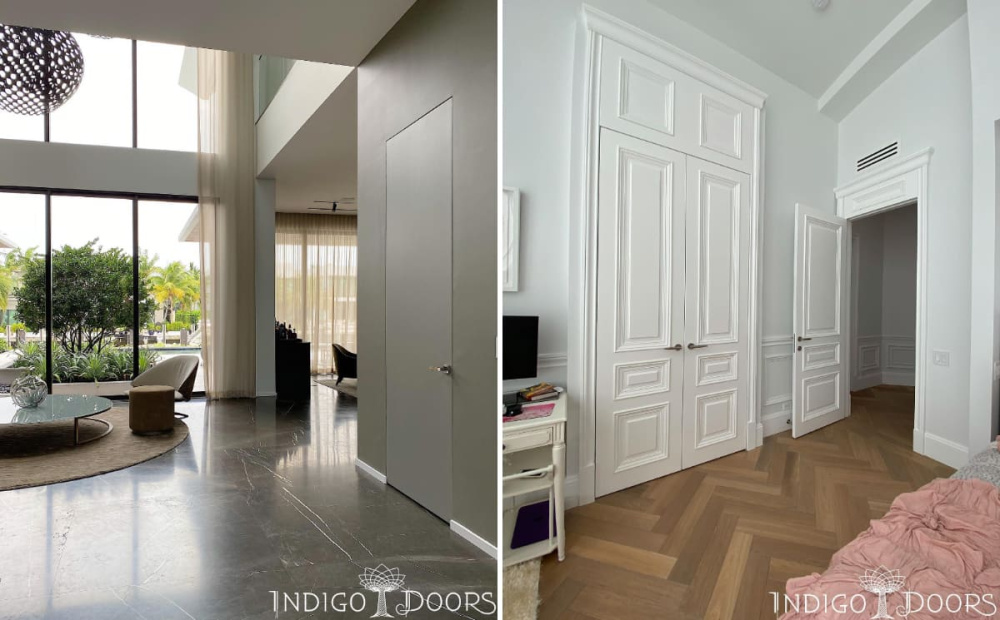
Frameless Interior Doors in Minimalist and Modern Homes
Minimalist and modern homes naturally align with frameless interior doors. These doors support design principles that prioritize simplicity, balance, and uncluttered surfaces.
In such interiors, frameless doors allow materials, textures, and light to take center stage. They reduce visual noise and help interiors feel more expansive and intentional.
Homeowners who choose frameless interior doors often value calm environments where design elements are carefully curated rather than layered. This makes frameless doors a natural extension of modern living.
In 2026, frameless interior doors are frequently associated with high-end residential design, not because of decoration, but because of architectural discipline.
Traditional Interior Doors in Classic and Transitional Homes
Traditional interior doors continue to play an important role in classic and transitional homes. Their structured design supports interiors that value symmetry, detail, and visual warmth.
In transitional spaces that blend classic and modern elements, traditional doors can provide balance and familiarity. Updated finishes and simplified panel designs allow traditional doors to coexist with contemporary features.
Homeowners who prefer traditional interior doors often prioritize a sense of comfort and timelessness over minimalist abstraction. These doors contribute to interiors that feel grounded and established.
Traditional doors remain relevant when their design is proportional, refined, and thoughtfully integrated into the overall interior concept.

Comparing Design Flexibility and Long Term Relevance
When comparing frameless interior doors vs traditional doors, long-term relevance is a critical consideration. Frameless doors are often seen as future-proof due to their adaptability and minimalist nature.
Traditional doors, while enduring, may feel visually heavier in highly modern interiors over time. Their longevity depends largely on how well they align with the home’s architectural direction.
In 2026, American homeowners increasingly favor interior door styles that can adapt to evolving tastes without requiring major updates. Frameless doors often meet this requirement more easily.
However, both styles can offer lasting value when chosen in harmony with the home’s architecture rather than trend-driven preferences.
Mixing Frameless and Traditional Doors in One Home
Modern interior design does not require strict uniformity. Many contemporary homes successfully combine frameless and traditional interior doors to support different functions and moods.
For example, frameless doors may be used in shared living spaces to maintain openness, while traditional doors appear in bedrooms or studies to add warmth and definition.
This approach allows homeowners to enjoy the benefits of both styles without compromising overall coherence.
Common strategies include:
- Frameless doors in open or public areas
- Traditional doors in private rooms
- Consistent color palettes across styles
- Unified material and finish choices
Design cohesion is achieved through intention, not repetition.
Choosing the Right Interior Door Style for Modern Homes
Choosing between frameless interior doors and traditional doors ultimately depends on how a modern home is designed and experienced. Frameless doors support architectural clarity, while traditional doors offer familiarity and structure.
Homeowners should consider:
- Overall interior style
- Desired level of visual openness
- Long-term design goals
- Emotional tone of the space
Rather than asking which option is universally better, the more relevant question is which style aligns with the home’s design philosophy.
Frameless and Traditional Interior Doors at Indigo Doors
At Indigo Doors, both frameless interior doors and traditional door styles are approached as architectural elements rather than standard products. The brand’s collections reflect a deep understanding of modern American interiors and evolving design expectations.
Based in Florida and serving homeowners across the United States, Indigo Doors offers modern, classic, royal, and frameless door solutions designed to integrate seamlessly into contemporary homes.
In the comparison between frameless interior doors vs traditional doors, the right choice is always contextual. By offering a curated range of interior door styles, Indigo Doors supports thoughtful design decisions that enhance both aesthetics and everyday living.